Chaitra Navratri Day 2: Maa Brahmacharini Rituals & Tips
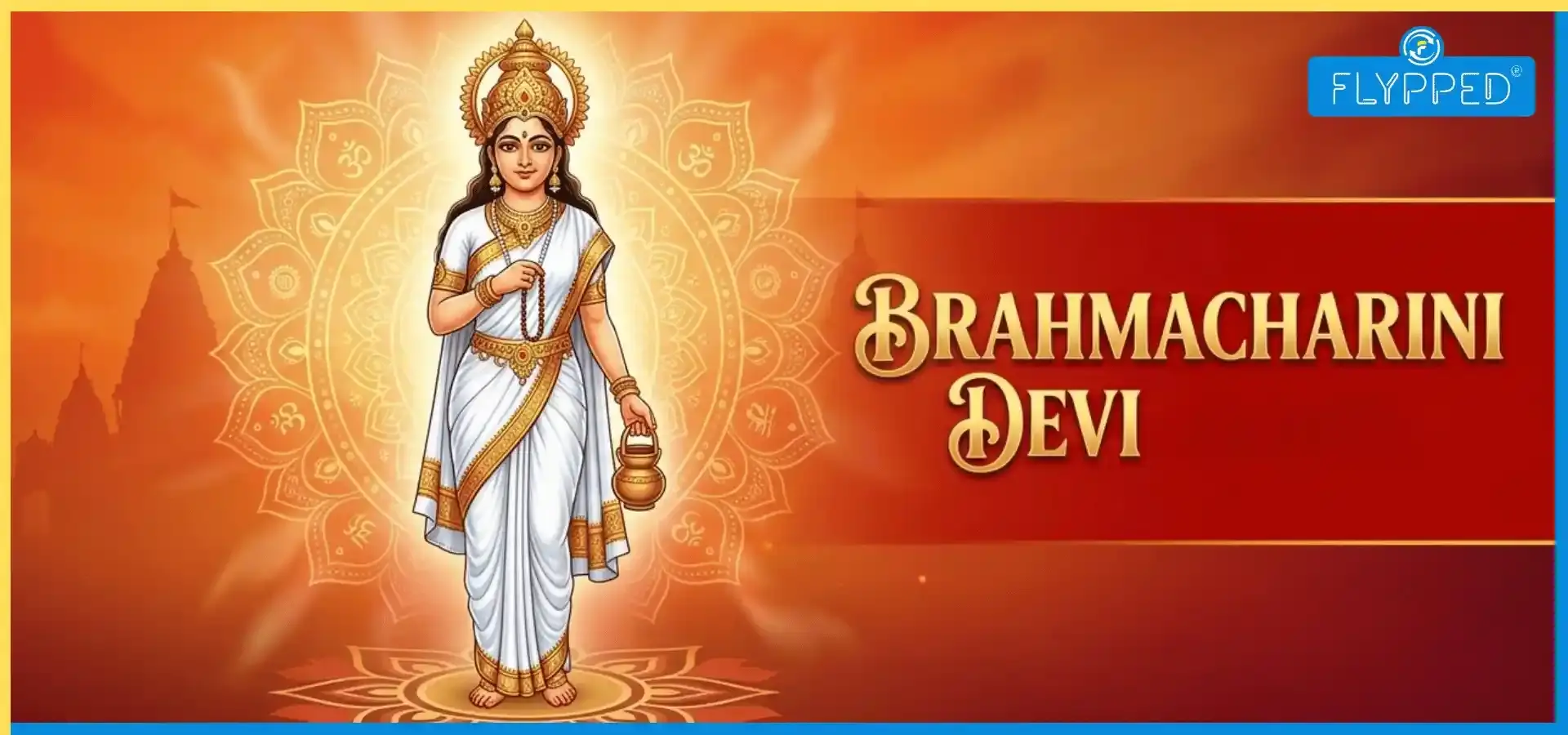
The second day of Chaitra Navratri is devoted to Maa Brahmacharini, the second manifestation of Maa Durga. Clad in white clothes, she holds a japa mala and a kamandal in her hands.
As her name suggests, she symbolises asceticism (brahmacharya). Worshipping her on this day is believed to bring peace, contentment, and the strength to withstand life's obstacles.
Story Behind Chaitra Navratri Day 2
Goddess Brahmacharini is the second among the nine avatars of Maa Durga. She is considered the epitome of peace, strength, self-control, knowledge, austerity, penance, devotion, and confidence in facing challenges.
Devotees who worship her on the second day of Navratri are blessed with these qualities, which contribute to their overall well-being.
According to Hindu scriptures, Maa Parvati performed severe penance and observed brahmacharya, relying only on leaves and fruits. Her unwavering willpower resulted in her union with Shiva.
Day 2 Chaitra Navratri Rituals for Peace and Devotion
Now, below are the rules you need to follow when worshipping the goddess.
- Take an early morning bath and wear fresh clothes
- Observe fasting, consume only fruits and milk
- Maintain cleanliness during the puja ritual
- Bathe the idol of the goddess with panchamrit, ghee, curd, milk, honey, and sugar
- Chant Maa Brahmacharini beej mantra, ॐ ऐं ह्रीं क्लीं ब्रह्मचारिण्यै नम: ||
- After seeking the blessings of the goddess, distribute the prasad amongst your family members and neighbours.
Offerings to Maa Brahmacharini Devi
- Offer her flowers, akshat, roli, kumkum, and sindoor
- Garland the divine mother with flowers using jasmine and lotus
- Mix ghee and camphor to perform the aarti
- After this, worship the Kalash devta and then the Navgrahas
Significance of White: Why It Is Worn on the Second Day
During Navratri, devotees are supposed to wear the specific colours associated with the forms of goddess Durga.
The second day of this auspicious festival is white, symbolising the goddess's ascetic nature. The colour reflects emotional stability, spiritual depth, devotion, and clarity.
In addition to its symbolic references, white is also a sign of austerity (Tapasya), purity, simplicity, calmness, and renunciation.
If you are going to the office or for any outdoor activity, do wear white on that day.
Celebrate Chaitra Navratri with Garba Dance
During Navratri, devotees perform garba and dandiya dances, enhancing the festive mood. Clad in traditional white attire, men and women celebrate the event by performing dandiya around the goddess's idol. You are encouraged to take part in it.
Choosing the Eco-friendly Path
Make your puja eco-friendly by disposing of the remains properly. For example, leaves can be composted in the garden or buried in the soil. The remaining puja water from the kalash can be poured onto the roots of the household plants.
After the puja concludes, the leftover prasad can be distributed to animals and birds. Plastic bags should be avoided when disposing of puja waste; instead, biodegradable alternatives should be used.
*This article is based on the facts described in religious texts and scriptures. Our aim is not to hurt any religion or belief, but simply to share cultural and religious knowledge.
Maa Brahmacharini Worship Connection with Mars
One interesting and lesser-known fact about Maa Brahmacharini worship is her connection to Mars (Mangal, in astrology).
In astrology, she is associated with this planet. According to belief, devotees who worship her are relieved of Mangal dosh in their lives.
Once Known as Aparna
Maa Brahmacharini is also called Aparna. She earned this name after doing intense tapasya to get Lord Mahadev.
For this, she followed strict penance and refrained from eating even a leaf. This is how she got the name, which means the one who eats nothing.
Walking Barefoot
Maa Brahmacharini never wears footwear and walks barefoot. This quality of hers represents humility and detachment from worldly comforts.
Represents Ascetic Form Before Marriage
The second form among Maa Durga’s nine forms, Maa Brahamacharini, as the name suggests, represents the ascetic form of Maa Parvati before her marriage to Lord Shiva.
Strengthens Determination and Blesses with Academic Success
According to devotees' belief, worshipping Maa Brahmacharini during Navratri blesses one with strong determination in life decisions and spiritual goals.
Besides these, she also grants academic success.
Seeking her blessings, let’s you sharpen your focus, enhance your knowledge, and mental clarity.
Students must worship her to attain all these qualities.
For Hindi Reader, Please Click for aaj ki khabar
Explore Spiritual Wisdom and Insights on Flypped
- The Psychology of Zodiac Signs and compatibility
- Spiritual Awakening: Meaning, Symptoms and Stages Explained
- Temples where Radha is worshipped as Krishna's Guru, not lover
For more news updates, follow the Flypped Side of English News
Frequently Asked Questions
Find answers to common questions about this topic
On the second day of Navratri, devotees worship Maa Brahmacharini, the second form of Durga, who represents penance, devotion, and spiritual discipline.
Maa Brahmacharini symbolises tapasya (penance), patience, wisdom, and inner strength. Her blessings are believed to bring peace of mind, determination, and spiritual growth.
Devotees commonly offer sugar, fruits, and sweets to the goddess. These offerings are believed to bring longevity, prosperity, and calmness in life.
White is considered the sacred colour of Maa Brahmacharini because it represents purity, simplicity, and spiritual peace, reflecting her life of strict penance.
Devotees pray to Maa Brahmacharini for mental peace, strength to overcome challenges, knowledge, and spiritual progress during the nine days of Navratri.