Hanuman Jayanti 2026: Date, Meaning and Significance
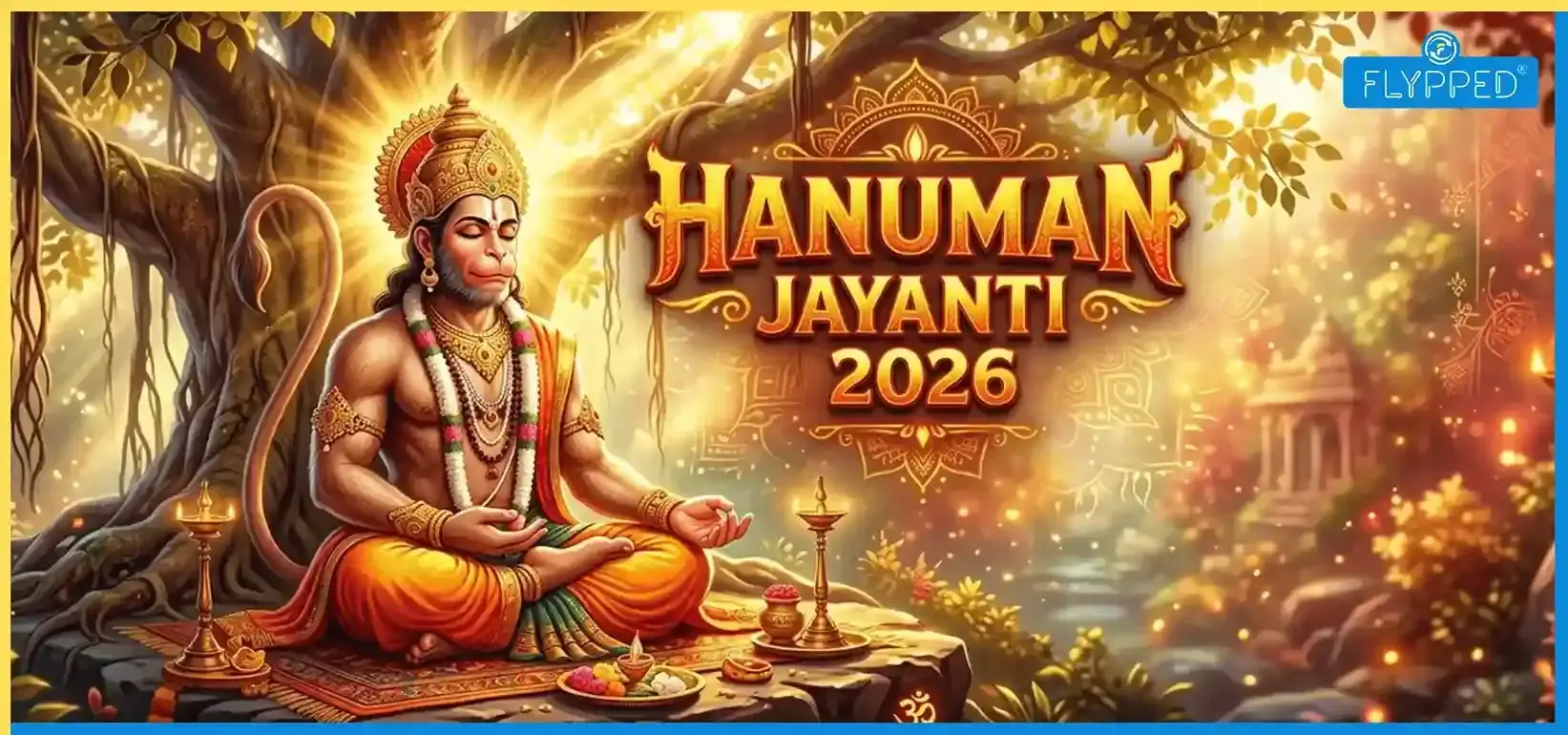
Hanuman Jayanti 2026: Hanuman Jayanti is one of the auspicious and significant festivals that mark the birth anniversary of Lord Hanuman.
The monkey god is among the revered deities worshipped by Hindu devotees. He is the epitome of devotion, strength, courage, selflessness, wisdom, and knowledge.
He is a prominent character in the Ramayana. Hanuman aided Lord Ram in his mission to Lanka, playing a crucial role in defeating the tyrant king Ravana.
According to Hindu mythology, Tuesday and Saturday are days of his worship. During these days, people offer him boondi, sindoor, coconut, flowers, fruits, and jaggery. Let us know more about this festival and the deity to whom it is dedicated.
When is Hanuman Jayanti 2026?
_11zon.webp)
According to the Hindu lunar calendar, Hanuman Jayanti will be celebrated on April 2nd, with the purnima tithi starting on April 1 at 7:06 AM.
Hanuman Jayanti meaning: Dedicated to Lord Hanuman, the festival marks his birth anniversary. We are all aware that he was a staunch devotee of Lord Ram, and was always there for him when needed.
The ape god was the son of Mata Anjana and the monkey king Kesari. This is why he is known as Anjani Putra and Kesari Nandan. Besides these, there are many other names of Hanuman.
Why is Hanuman also called Pavanputra despite being the son of Mata Anjani and Kesari?
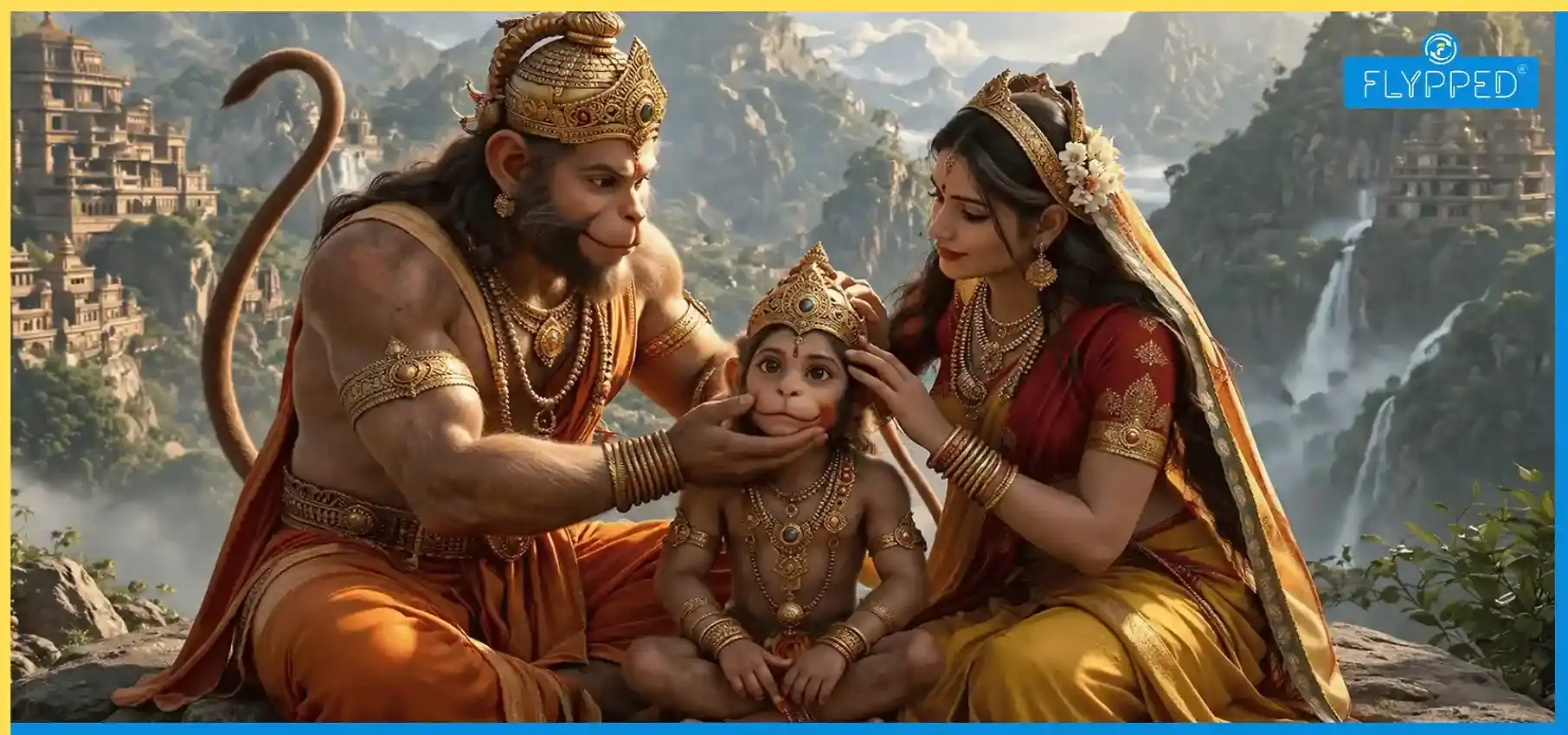
Now, there must be a question in your mind: if Hanuman is the son of Mata Anjani and Kesari, why is he also called Pavanputra?
The reason for this is that Pavandev, the wind deity, played a key role in delivering a divine, energy-packed pudding to his mother.
This story implies Kesari was Hanuman's adoptive father.
How is Hanuman Connected to Lord Shiva
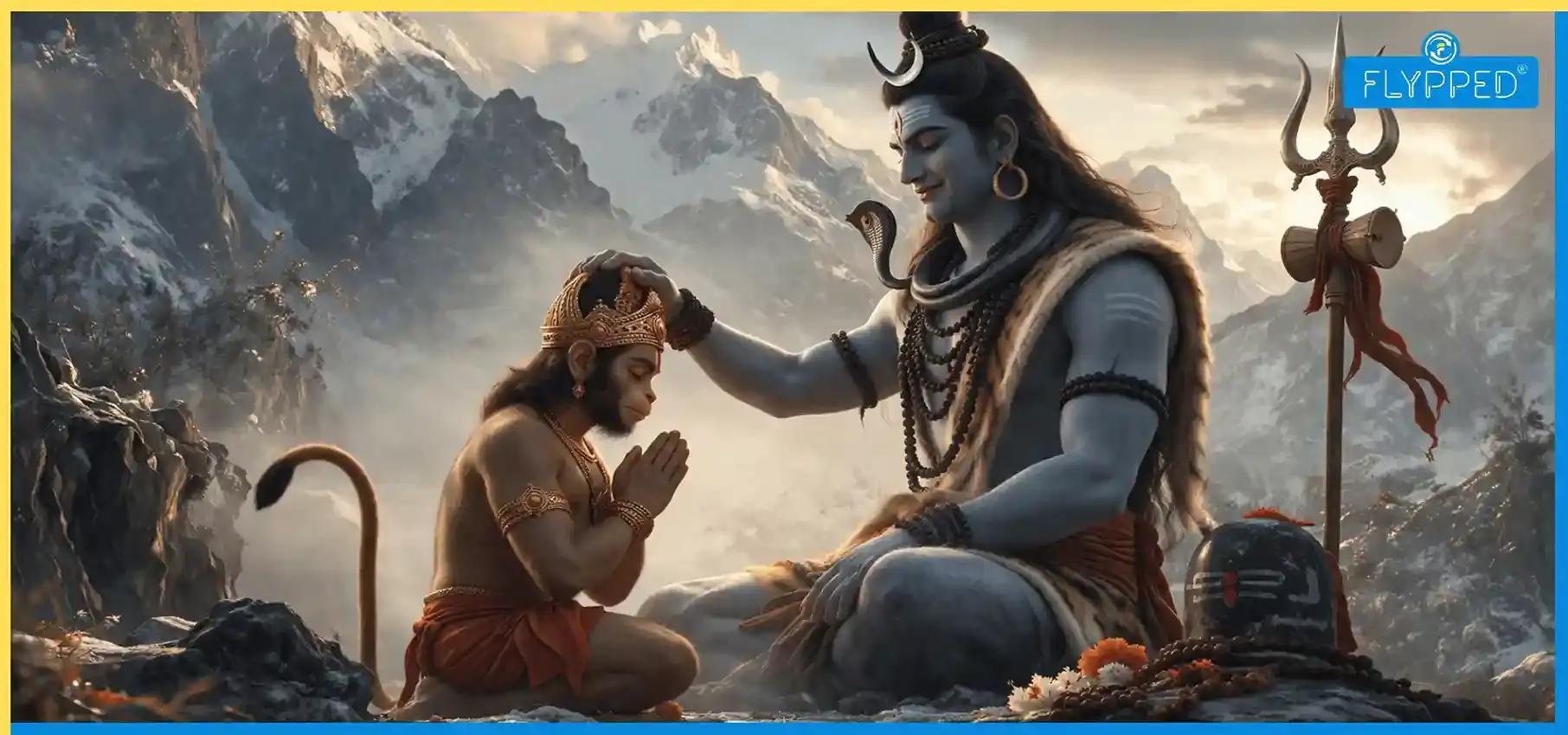
Besides being the son of Mata Anjani and Kesari, Hanuman is also said to be the 11th divine incarnation of Lord Shiva.
According to Hindu texts, Mother Anjani used to worship Shiva to have a son. Impressed with her dedication, he blessed her with a son.
It says that the immense power which Hanuman possesses is a boon from Lord Shiva.
Unveiling the Secret Behind Hanuman’s Name
_11zon.webp)
- During Hanuman Jayanti, it is meaningful to understand the story of Hanuman’s name.
- It begins when Lord Hanuman saw the sun and mistook it for a fruit. Being a child, he could not control his desire to eat it, and flew like a raging wind.
- Seeing him heading towards the sun made the devas worried. To stop him, Indra used his powerful weapon, the vajra, which fractured his jaw.
- When Pavandev, the wind god, saw him in that state, he got very furious and threatened to withhold the very air from nature.
- To calm his anger, every deva blessed Hanuman with celestial powers that remained with him forever.
- In Sanskrit, Hanu means jaw, and mant (disfigured). This is how he got his name, Hanuman.
- Besides this name, the ape god is also called Maruti, signifying the son of Vayudev. A very popular Indian car was even named after it.
How is Hanuman Jayanti Celebrated
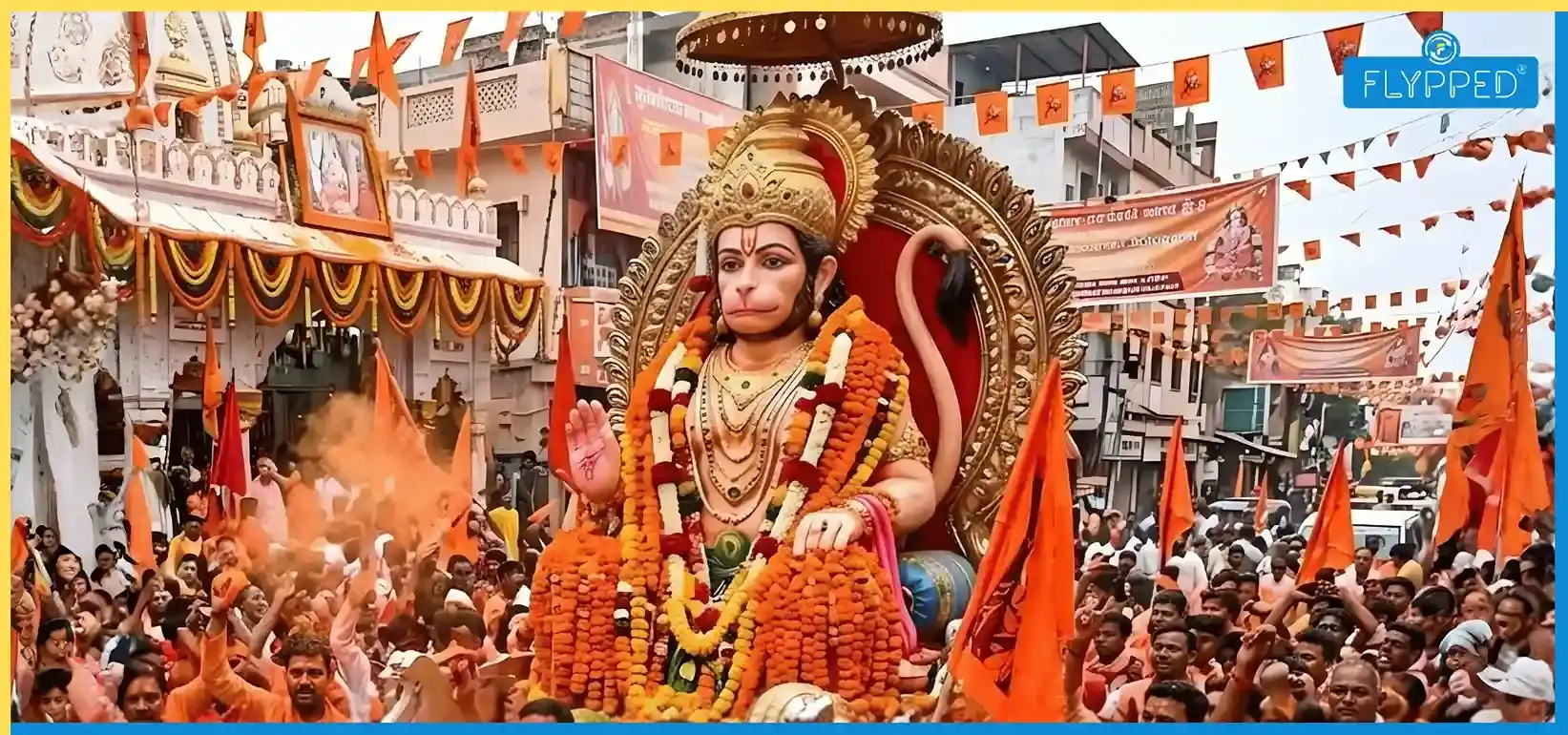
It says that Lord Hanuman was born early in the morning. Hence, devotees often worship him in the daytime after taking a holy bath.
The rituals include installing a Lord Hanuman statue facing east, red flowers, vermillion (Sindoor), fruits, sweets (ladoos and halwa), and jasmine oil.
Temples on this day are crowded with devotees who wish to get the blessings of the ape god. Hanuman Chalisa and Sundarkaand are also heard and recited.
Panchmukhi Hanuman: Significance of Ape God’s Five-Face Form
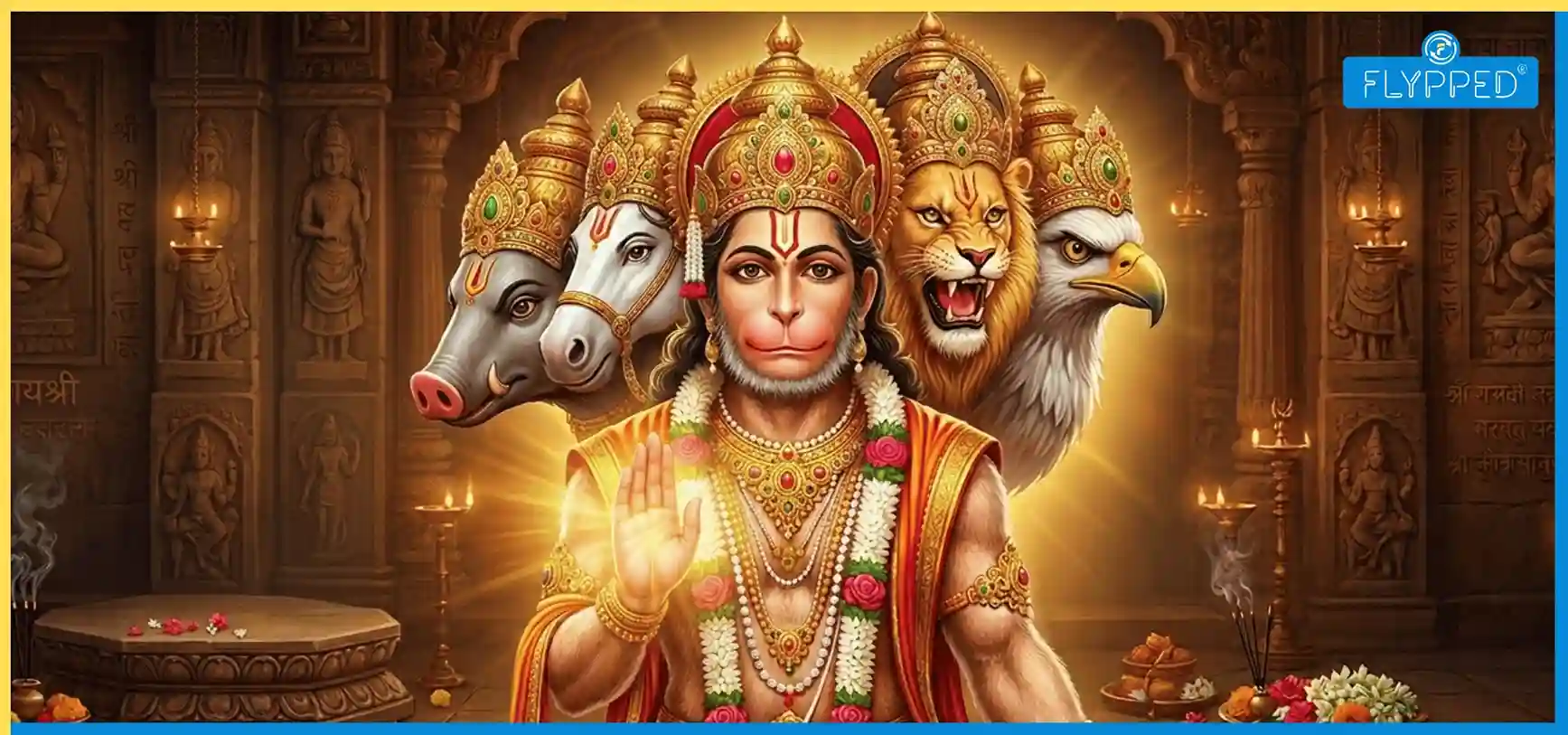
While most Hanuman temples depict the ape god in his signature pose of carrying the mountain on one hand. But there is one more form of his called 'Panchmukhi’.
The name itself is enough to understand, meaning the one with five faces. But how did Hanuman get the five faces? Let’s know the story behind it.
Every face of the Hanuman in this pose represents a different meaning.
- South face (Hanuman) - symbolises courage, strength, and devotion.
- North face (Varaha)- Preservation and restoring balance
- West face (Narsimha) - Destruction of evil forces and protection
- East face (Garuda) - Transcedence, speed, and power
- Upward (Brahma) - Knowledge, wisdom, and creation
The Story behind Hanuman’s Vermillion Body
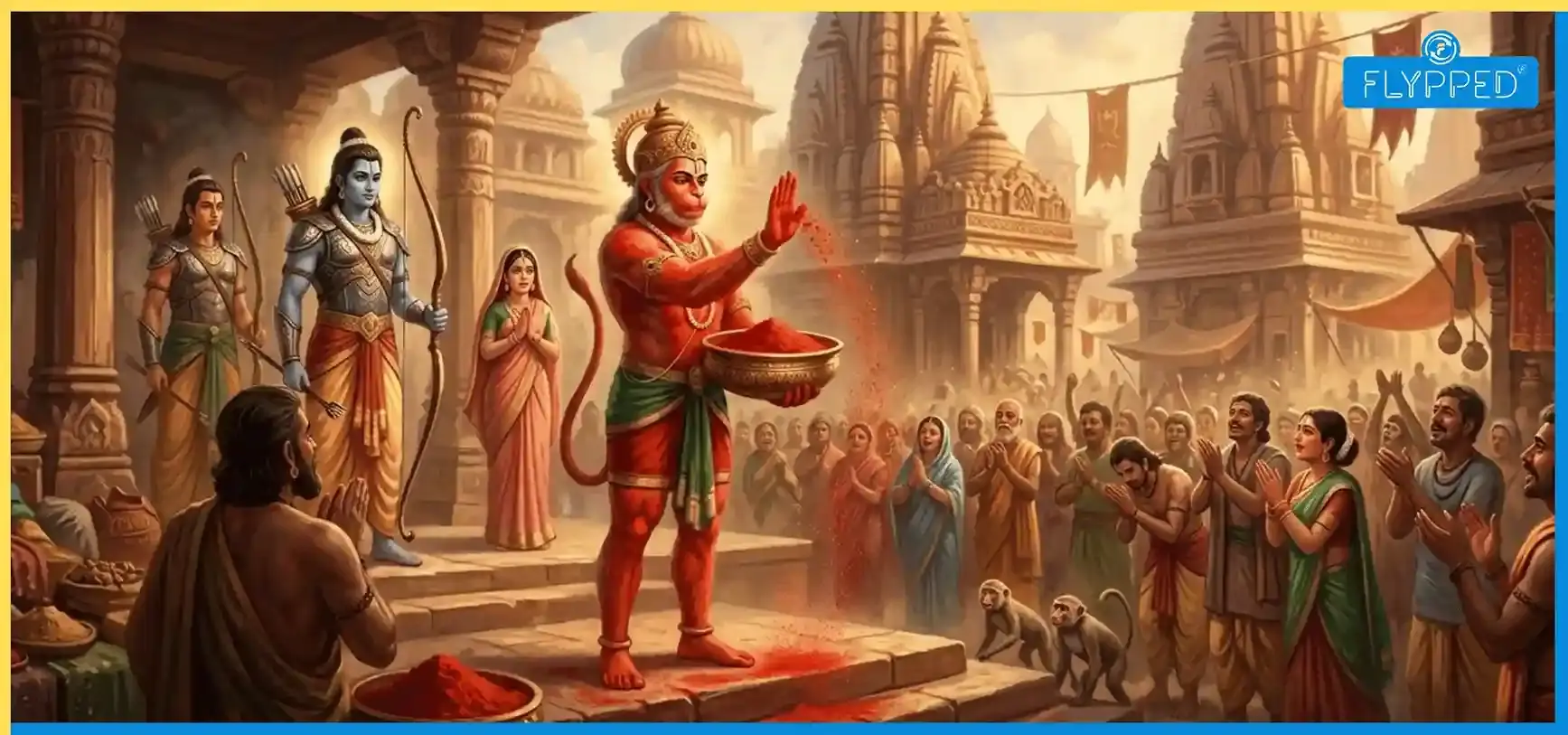
Vermillon is one of the things people offer when praying to Lord Hanuman. But do you know there is a mythological fact behind it?
It all happened when Hanuman saw Sita putting a red vermillion on her forehead. Finding it strange, he asked her why she does this every day.
Sita replied that this is a ritual she follows as the wife of Lord Ram. She does this for her husband's longevity.
Owing to the secret of it, Hanuman smeared all the vermillion on his whole body and entered Lord Ram’s court. Seeing him in such a condition, everyone laughed at him.
Lord Ram himself was amazed to see him in a new form. When asked about the reason, he told everything, and thought that if merely putting the vermilion on the forehead enhances the life of the Lord, then he will live longer if he puts all the vermilion on his body.
Lord Hanuman in the Dwapar Yug
_17_11zon.webp)
If you think Lord Hanuman’s role ended in the Treta Yuga, then you are wrong. He performed his share of roles in Dwapar Yug, the time of Vishnu’s eighth incarnation, Krishna.
It says that, on Lord Krishna's direction, Hanuman broke the unwanted pride and arrogance of Arjun, Bheem, Balram (Krishna's elder brother), Sudarshana, and even Garuda, the mount of Lord Vishnu.
This involvement continued during the Mahabharata war, when Hanuman sat atop Arjun’s chariot, providing strength and protection.
Hanuman in Films and Television
_20_11zon.webp)
Although many actors have portrayed Hanuman in films and television, Dara Singh's portrayal in Ramanand Sagar's Ramayan remains the definitive image for many.
Singh, originally a wrestler, played Hanuman alongside Arun Govil as Ram, Deepika Chikaliya as Sita, Sunil Lehri as Laxman, Arvind Trivedi as Ravana, and Vijay Arora as Meghnad.
Among adaptations, the animated series 'Hanuman,' featuring Mukesh Khanna as Hanuman's voice, also found popularity among children.
Major Temples of Lord Hanuman
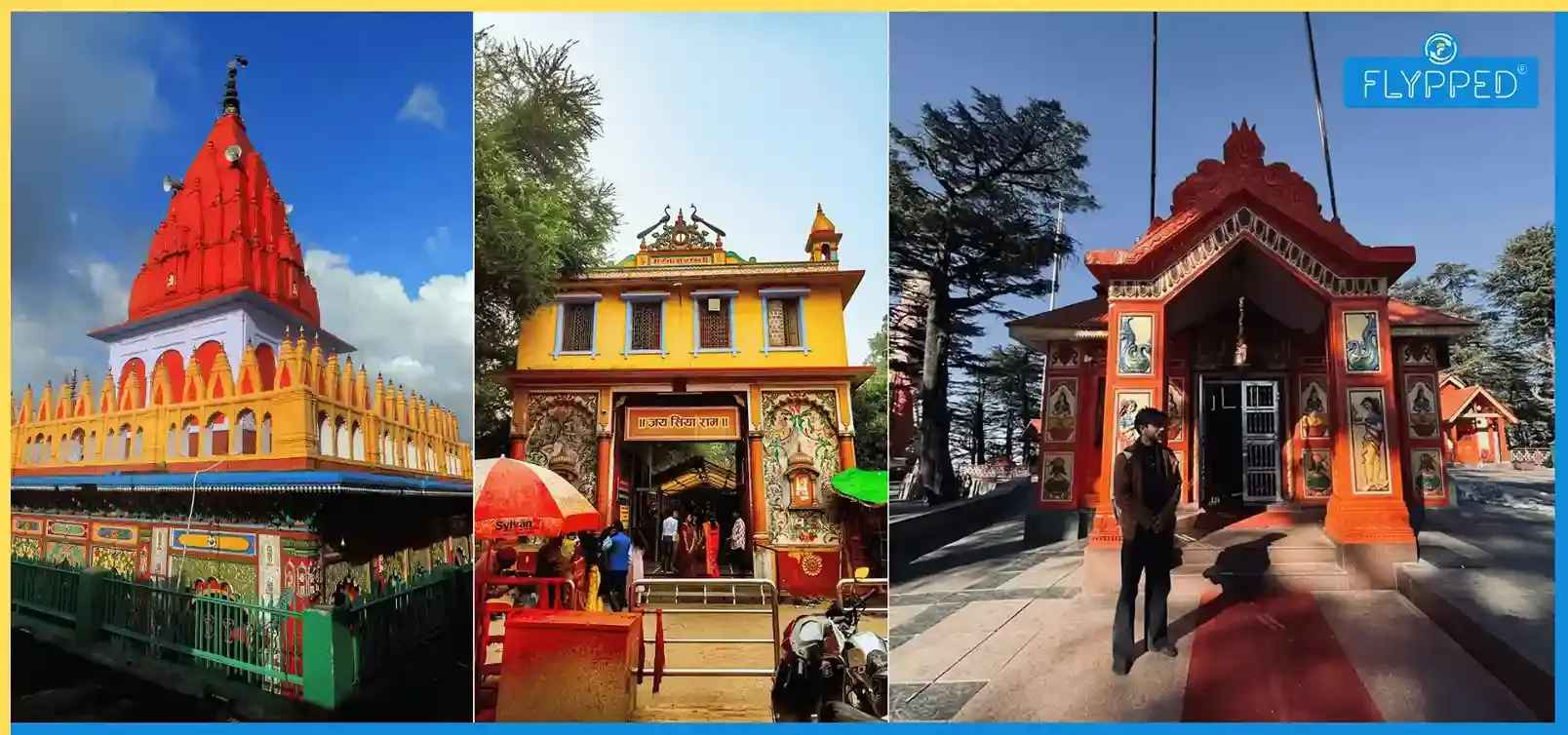
Some prominent temples dedicated to Lord Hanuman in India are
- Ancient Hanuman Garhi in Ayodhya
- Salasar Balaji in Rajasthan
- Sankat Mochan Temple in Varanasi
- Bala Hanuman Temple in Jamnagar
- Jakhu Temple in Shimla
- Karol Bagh Hanuman Temple in Delhi
Powerful Beej Mantras of Lord Hanuman
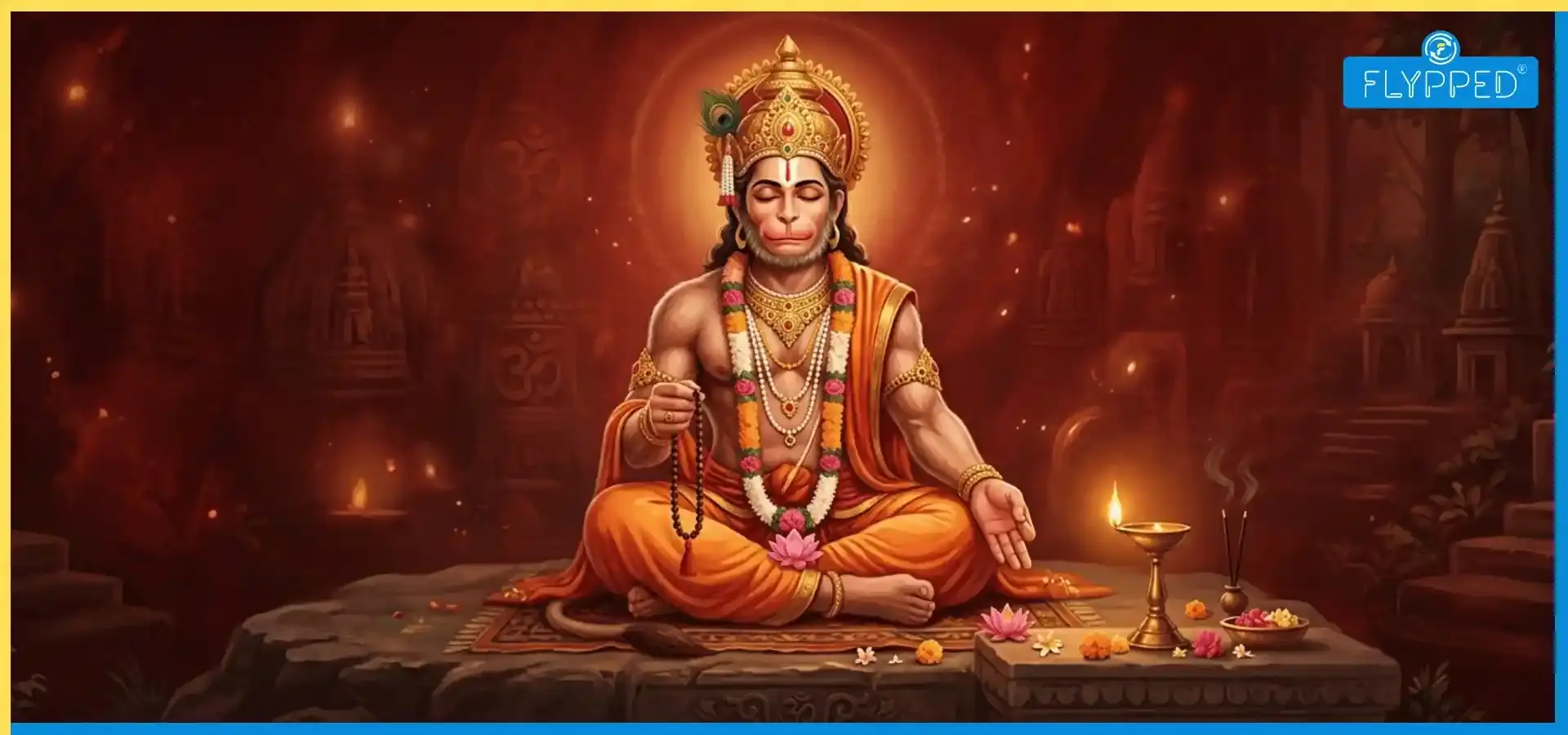
- ''Aum Aeem Bhreem Hanumate Shree Ram Dootaaya Namaha”
- “Om Hanumate Namah”
- “Hang Hanumate Rudraatmakaay Hung Phatt”
- “Om Shreem Hanumate Namah”
A revered Sanskrit Shloka of Lord Hanuman you must chant is -
''Manojavam Marutatulya Vegam, Jitendriyam Buddhimata Varishtam, Vatatmajam, Vanarayuth Mookhyam, Shri Ram Dootam, Sharanam Prapadya ''
While Lord Hanuman's mantras are beneficial, worshiping Lord Ram unlocks His blessings effortlessly.
Is Lord Hanuman Still Alive?
_11zon.webp)
Yes, Lord Hanuman is still alive as he is one of the seven Chiranjeevis. He is said to reside on Gandhamadan mountain.
He, along with other Chiranjivis, is waiting for the advent of Lord Kalki, the tenth and final avatar of Lord Vishnu, to end the Kali Yuga.
|| Jai Shri Ram ||
For Hindi Reader, Please Click for aaj ki khabar
Discover Spiritual Wisdom on Flypped
- Feng Shui Turtle: Unlock the Powerful Benefits
- Types of Tulsi Plant: Benefits, Uses, Vastu & Worship Tips
- Padmanabhaswamy Temple: Known as the Richest Temple in India
For more news updates, follow the Flypped Side of English News
Frequently Asked Questions
Find answers to common questions about this topic
Hanuman Jayanti in 2026 will be celebrated on April 2nd.
Hanuman Jayanti marks the birth of Lord Hanuman, symbolizing strength, devotion, and courage. It is a day to honor his qualities and seek his blessings.
The day is celebrated to honor Lord Hanuman's devotion to Lord Rama and his role as a protector, as well as to seek his blessings for strength and protection.
Devotees perform prayers, recite the Hanuman Chalisa, fast, and offer sweets like ladoos and sindoor to Lord Hanuman.
Hanuman’s birth signifies the victory of devotion and selfless service. It also symbolizes the importance of strength, wisdom, and courage in overcoming challenges.