Ganesh Chaturthi: History, Rituals, Special Food & Mumbai Celebrations
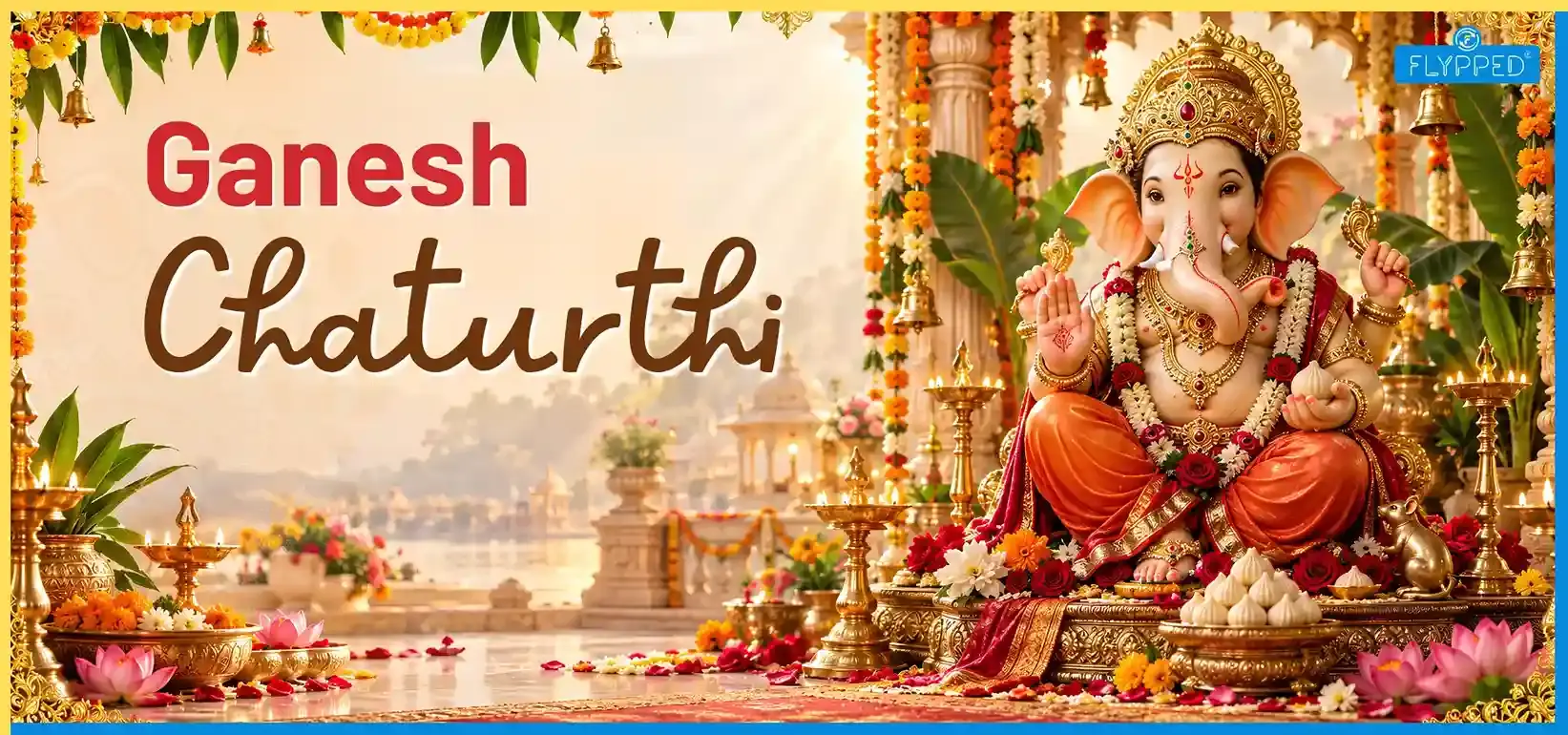
Ganesh Chaturthi is a vibrant festival woven into the fabric of Indian culture, especially cherished in Maharashtra. It marks the birth of Lord Ganesha, who’s celebrated as the remover of obstacles and a sign of wisdom and prosperity. As you get ready for Ganesh Chaturthi, take a moment to reflect on the rich history and rituals that make this festival a lively celebration of faith and community spirit across India.
Why is Ganesh Chaturthi Celebrated?
Ganesh Chaturthi is a vibrant celebration dedicated to Lord Ganesha, a beloved figure in Hinduism renowned as the remover of obstacles and the deity of wisdom and prosperity. His importance runs deep, as devotees turn to Ganesha for blessings in their pursuits and to clear the path ahead. The festival typically falling in August or September. It not only commemorates Ganesha's birth but also signifies new beginnings and fresh opportunities.
NOTE: Read spiritual insights, meditation tips, religious stories, and latest updates for mindful living.
Ganesh Chaturthi Date and Duration
Ganesh Chaturthi is celebrated on the fourth day of the waxing moon in the month of Bhadrapada. In 2026, the festival has begun on September 14 and conclude with the visarjan on September 25 (depending on the duration of sthapana you'd opt for, that is, 1.5, 3, 5 and 7 days). This period of celebration lasts for ten days (anant chaturdashi), culminating in the immersion of Ganesha idols in water bodies, symbolizing his return to Mount Kailash.
Ganesh Chaturthi History: How the Festival Became a Mass Celebration
The roots of Ganesh Chaturthi run deep in the tale of Lord Ganesha’s birth. According to Hindu mythology, Goddess Parvati crafted Ganesha from the dirt of her own body and breathed life into him. She instructed him to guard her door while she bathed. When her husband, Lord Shiva, returned home and was denied entry by Ganesha, he became furious. In a tragic turn of events, Shiva beheaded Ganesha but later restored his life by replacing his head with that of an elephant. This powerful narrative not only illustrates Ganesha's role as the remover of obstacles but also reflects the divine essence of his creation.
Mythological texts like the Puranas matter for shaping the stories surrounding this festival. They narrate the adventures of Lord Ganesha, emphasising his wisdom and strength in overcoming difficulties. His association with new beginnings makes him especially relevant during Ganesh Chaturthi, as devotees seek his blessings for prosperity and success.
Over the years, the Ganpati festival in Mumbai has gained immense popularity, with grand idols of Ganesha showcased in beautifully decorated pandals. This public celebration has evolved into one of India’s most significant festivals, embodying unity, devotion, and cultural pride. Today, Ganesh Chaturthi is celebrated with great enthusiasm, featuring traditional rituals, lively music and dance, culminating in the emotional visarjan, where devotees bid farewell to their beloved deity. This act represents the cycle of creation and dissolution.
Significance of Ganesh Chaturthi
The spiritual significance of Ganesh Chaturthi lies in its ability to foster a deep connection with the divine. Devotees believe that Ganesha brings wisdom, prosperity and peace into their lives. The festival encourages individuals to engage in introspection, seeking blessings for personal growth and overcoming obstacles. The rituals and prayers performed during this time serve as a means of expressing devotion and aligning oneself with higher spiritual energies.
In Maharashtra, and especially during the Ganpati festival in Mumbai, neighborhoods come alive with elaborate decorations, vibrant processions and joyful communal celebrations. These gatherings create a sense of belonging, inviting people from all walks of life to join in, thereby strengthening community bonds.
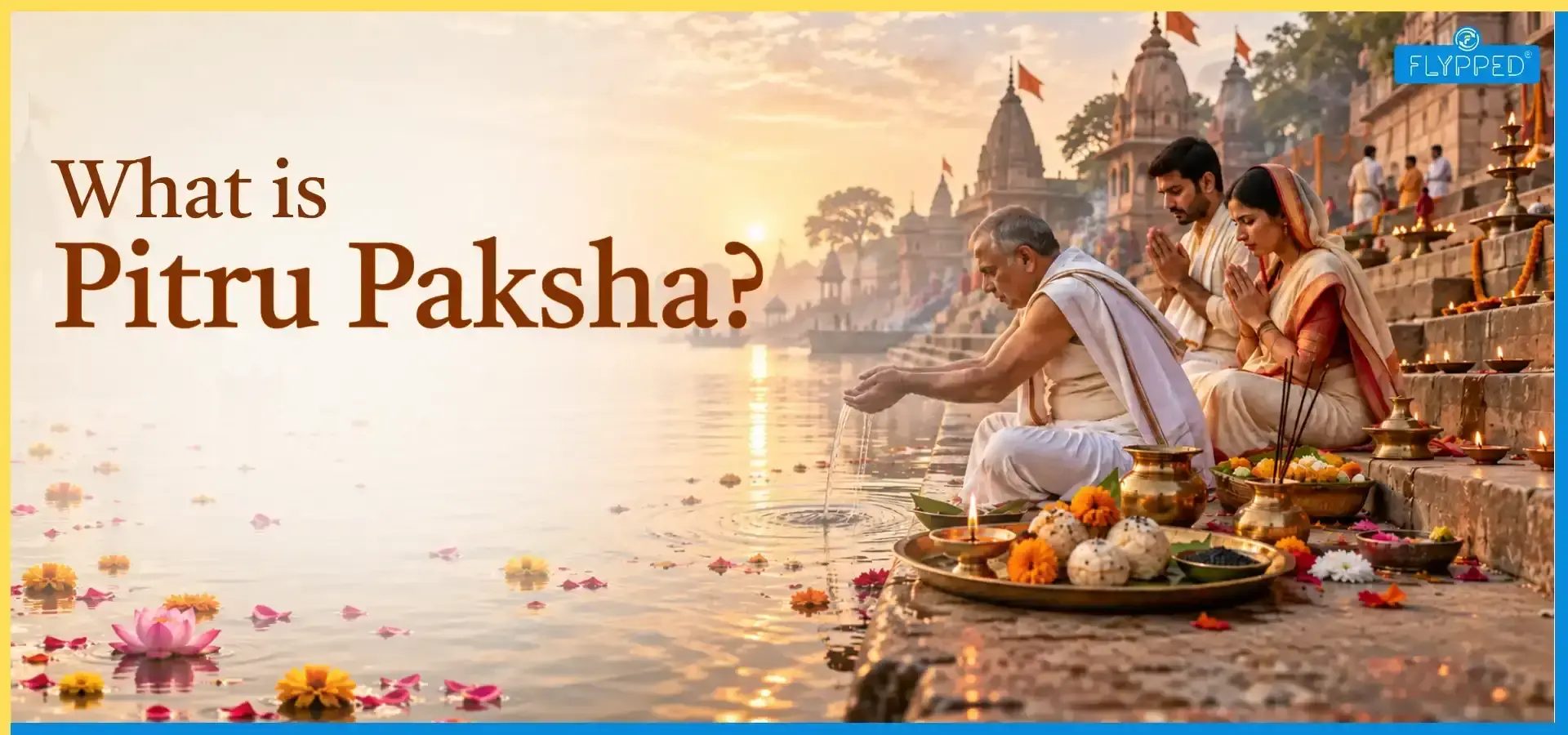
The festival carries immense symbolic significance, representing the cycle of life, death and rebirth. The immersion of Ganesha idols during the visarjan signifies the return of the deity to his heavenly abode, reinforcing the belief in the transient nature of life. This act not only serves as a farewell but also encourages devotees to embrace change and renewal in their lives.
Ganesh Chaturthi Rituals: How is the Festival Celebrated?
Bringing Home the Ganesha Idol
The celebration of Ganesh Chaturthi begins with the installation of a Ganesha idol in homes and public spaces. Families often spend time selecting beautifully crafted idols, reflecting their devotion and artistic expression. This ritual marks the commencement of the festivities, inviting divine blessings into the household.
Ganesh Sthapana
Ganesh Sthapana is the ritual of placing the Ganesha idol in a designated area, usually adorned with flowers, lights and decorations. This ceremony involves chanting prayers and mantras to invoke Ganesha's presence, creating a sacred space for worship.
Pran Pratishtha is a crucial ritual where devotees believe they invite the divine energy into the idol. This ceremony is performed with great reverence, often involving the chanting of sacred verses and the performance of specific rituals to ensure the idol is imbued with life and spirit.
Ganesh Puja
The Ganesh Puja involves a series of prayers and offerings made to Lord Ganesha. Devotees present various items, including flowers, fruits and sweets, with modaks being a popular offering, symbolizing the sweetness of life. The puja is often accompanied by singing devotional songs and performing aarti, a ritual of light.
Aarti and Daily Worship
Daily worship during the festival includes performing aarti, singing hymns and offering prayers. Families gather to express their devotion and gratitude, creating a warm and spiritual atmosphere in their homes. This daily ritual strengthens the bond between the devotees and the divine.
Offerings
Offerings play a significant role in the Ganesh Chaturthi celebrations. Devotees prepare a variety of dishes to share with family and friends, reflecting the joy and abundance associated with the festival. These offerings are a symbol of love and devotion towards Lord Ganesha. This cycle of rituals are performed thoroughly till the visarjan is decided.
Visarjan
As the festival draws to a close, preparations for the visarjan begin. Families and communities come together to plan the immersion ceremony, ensuring that the idol is respectfully taken to the water body. This ritual embodies the essence of the festival, marking the end of the celebrations and the return of Ganesha to his celestial home.
Ganesh Chaturthi Special Food: What Do People Eat?
Food holds a cherished spot during Ganesh Chaturthi, with a delightful array of dishes prepared to honour the deity and share with family and friends. One of the standout dishes is modak, a sweet dumpling filled with coconut and jaggery. This treat isn't just a delight for the palate; it symbolizes the sweet rewards of life and the joy of living.
Other popular dishes include:
- Puran Poli: A sweet flatbread filled with a mixture of lentils and jaggery.
- Ladoo: Various types of ladoos, often crafted from besan (gram flour), are also offered during the festival.
- Karanji: A fried pastry filled with a sweet blend of coconut and sugar.
Celebrating Ganesh Chaturthi through these rituals and special foods strengthens community bonds, allowing everyone to share in the joy and reverence of this auspicious occasion. This festival isn't only about following traditions but also about creating cherished memories with loved ones.
Ganesh Chaturthi Celebrations in India
Ganesh Chaturthi is a nationwide celebration in India, but the festivities vary greatly from one region to another, each reflecting its unique cultural expressions.
In Mumbai, the Ganpati festival is a grand affair, characterized by lively public processions. Huge crowds gather to witness the stunning decorations and magnificent idols paraded through the streets. Each neighbourhood competes to create the most artistic pandals, drawing thousands of visitors. The atmosphere buzzes with music and joyous celebrations as devotees unite in their faith.
The diversity in celebrations across India showcases the importance of Ganesh Chaturthi as a festival that honours Lord Ganesha while also strengthening community ties and cultural heritage. Each region’s distinctive customs and practices contribute to the vibrant mosaic of this beloved festival, making it a truly national celebration.
Ganesh Chaturthi Visarjan: Why is the Idol Immersed?
Visarjan is a touching and significant part of the Ganesh Chaturthi festival. It marks the immersion of Ganesha idols in water bodies, symbolizing the return of Lord Ganesha to his heavenly home after blessing his devotees. This ritual is more than just a goodbye; it reflects the cycle of creation and dissolution, reminding everyone of life's fleeting nature.
As the idols journey to rivers, lakes or the sea, the atmosphere is charged with mixed emotions. Devotees often feel a deep sadness as they say farewell to their cherished deity, who has filled their lives with joy and blessings during the festival. This poignant moment is filled with singing, dancing, and chanting Ganpati Bappa Morya meaning "O Lord Ganesha, come again soon." Such an emotional bond brings people together, allowing them to celebrate Ganesha's departure and reflect on the blessings they've received.
Conclusion
Ganesh Chaturthi isn’t just about celebrating the birth of Lord Ganesha; it’s a time to strengthen community ties and enrich our cultural legacy. This festival beautifully blends spirituality, tradition, and celebration, making it one of India's most beloved occasions.
The importance of Ganesh Chaturthi goes beyond the festivities; it embodies the collective joy and devotion of countless individuals who come together to honour the remover of obstacles. The rituals, from setting up Ganesha idols to the lively visarjan, carry deep meanings that resonate with both personal and shared experiences.
As you look forward to the next Ganesh Chaturthi date, take a moment to consider the values and lessons this festival teaches us.
Frequently Asked Questions
Find answers to common questions about this topic
Ganesh Chaturthi will be celebrated on September 14, 2026.
It’s a heartfelt chant showing devotion to Lord Ganesha, seeking his blessings and presence.
The city comes alive with grand processions featuring elaborate idols and vibrant community festivities.
Popular treats include modaks, puran poli and various sweets, representing offerings to Lord Ganesha.
Visarjan symbolizes the cycle of life, reminding devotees of the temporary nature of existence and the hope for Ganesha's return.