Hornbill Festival 2026: 10 Days, 17 Tribes and 1 Experience India Never Warned You About
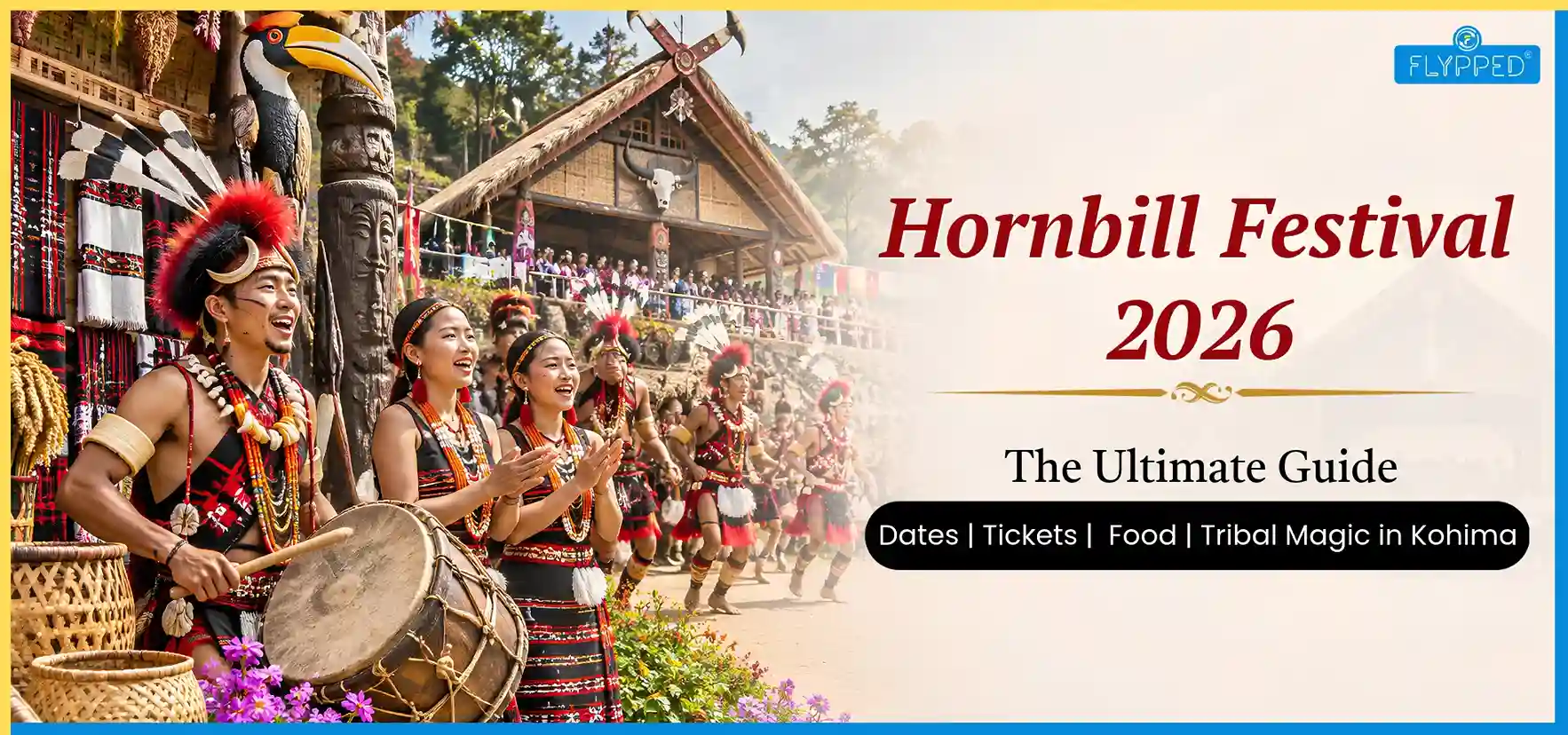
“War cries echo across the hills, bamboo drums beat and hundreds of tribal dancers walk out in beaded finery.” This statement pretty much depicts the celebratory vibe of Hornbill festival in general.
The Hornbill Festival stands out as Nagaland's "Festival of Festivals", making it a must-visit for spiritual and cultural travelers seeking authentic indigenous experiences. This comprehensive guide covers Hornbill Festival dates, Hornbill Festival location, Hornbill Festival tickets, Hornbill Festival food, history, significance and essential travel tips. Whether you are looking to understand the core traditions of Hornbill Festival Nagaland or planning your itinerary, this article has everything you need.
NOTE: Read spiritual insights, meditation tips, religious stories, and Latest updates for mindful living.
What is the Hornbill Festival Nagaland?
The Hornbill Festival is a 10-day cultural festival held every December at the Naga Heritage Village, Kisama. Organised by the Government of Nagaland, 2026 marks its 27th edition, following the 26th edition held in 2025.
| Quick Facts | Details |
| Dates | 1-10 December, 2026 |
| Venue | Naga heritage Village, Kisama (near Kohima) |
| Edition | 27th Edition |
| Nearest Airport | Dimapur Airport (approx. 74 km away) |
| Entry Fee | Roughly ₹50-₹100 (subject to change) |
Hornbill Festival 2026 Dates and Schedule
The Hornbill Festival dates for 2026 are officially set from 1 to 10 December 2026.
- Day 1: Grand opening ceremony featuring traditional performances by various Naga tribes.
- Days 2-9: Daily tribal Morung exhibitions, indigenous games, traditional dances and cultural displays at the main arena.
- Days 10: Closing ceremony and evening celebrations.
- Best Days to Visit: Weekdays are ideal for experiencing the culture with fewer crowds, while weekends offer a busier, high-energy atmosphere. Visitors are advised to check the official programme closer to the date for precise timing adjustments.
Alongside the daytime events, visitors can experience the Hornbill Music Festival and the vibrant Night Bazaar in Kohima. The 27th Hornbill Music Festival is reported to feature international acts such as the Japanese drum group Drum TAO.
Hornbill Festival Location: Where Is It and How to Reach It?
The primary Hornbill Festival location is the Naga Heritage Village, Kisama, situated about 12 km south of Kohima, the state capital. The name Kisama is a portmanteau formed from two neighbouring villages: Kigwema and Phesama. Hornbill festival kohima acts as the main hub and base for travellers attending the event.
How to Get There:
- By Air: Dimapur Airport is the nearest airport, located about 74 km from Kohima. Taxis and cabs are readily available from the airport.
- By Rail: Dimapur Railway Station connects the region to major cities in Assam and the rest of India.
- By Road: Travelling from Dimapur to Kohima by taxi or shared cab takes approximately 2.5 to 3 hours through scenic mountain roads.
Where to Stay:
Accommodation ranges from hotels and homestays in Kohima to traditional village stays in Kigwema. Because demand peaks in December, rooms sell out months in advance, so book early.
Hornbill Festival Tickets, Permits and Costs
- Hornbill Festival Tickets and Entry: Hornbill Festival tickets are typically priced around ₹50-₹100 per person and can be purchased directly on-site at the venue gates. Always verify current pricing, as fees may be revised for newer editions.
- Permits: Indian visitors travelling from outside Nagaland generally need to obtain an Inner Line Permit (ILP). Foreign nationals are required to register upon arrival or follow specific permit guidelines depending on nationality. Check the official Nagaland government portal for up-to-date regulations.
- Budget Planning Table:
| Expense Category | Estimated Cost (INR) |
| Accommodation (Per Night) | ₹2,000-₹8,000+ (depending on homestay or hotel) |
| Transport (Dimapur to Kohima shared cab) | ₹400-₹600 per person |
| Hornbill Festival Tickets | ₹50-₹100 per day |
| Food & Dining (Daily) | ₹500-₹1,500 |
History of the Hornbill Festival
The history of hornbill festival dates back to its inaugural event held on 1 December 2000, launched by the Government of Nagaland. Its primary purpose was to encourage inter-tribal interaction, promote cultural heritage protection and boost tourism in the state.
The festival is named after the Indian hornbill, a large and majestic bird deeply revered in Naga folklore, frequently featured in tribal songs, dances, and ceremonial headgear.
Timeline:
- 2000: Inaugural edition launched to unite Naga tribes.
- 2000s-2020s: Gradual expansion into a globally recognised international tourism event.
- 2026: Celebrating the landmark 27th edition.
Significantly, the festival always begins on 1 December, which coincides with Nagaland Statehood Day, commemorating the state's formation in 1963.
Significance of the Hornbill Festival
The significance of hornbill festival lies in its powerful role in cultural preservation, fostering tribal unity, and maintaining a living link between the modern Naga generations and their ancestors.
- The Morungs: Traditional community dormitories representing each tribe serve as the social and spiritual core of the festival village.
- Living Oral Tradition: Folk songs, war dances, and ancestral storytelling are performed not merely as entertainment, but as active spiritual practices.
- The Hornbill Symbol: The bird remains a revered emblem of courage, nobility, and fidelity in Naga culture.
- Historical Reflections: Many travellers also visit the Kohima War Cemetery during their stay, reflecting on WWII history in the region.
- Respectful Traveller's Mindset: Visitors should always ask permission before photographing individuals in traditional attire and take time to learn the cultural background behind each dance and artifact.
Hornbill Festival Food: What to Eat
Exploring Hornbill Festival food is an unmissable part of the journey. The food stalls at Kisama Heritage Village and the Kohima Night Bazaar offer diverse indigenous culinary traditions.
- Smoked Pork with Bamboo Shoot: A staple Naga delicacy rich in smoky flavours.
- Axone Dishes: Fermented soybean preparations known for their pungent, distinct taste.
- Naga King Chilli (Bhut Jolokia): Incorporated into various fiery chutneys and local specialities.
- Sticky Rice & Rice Beer: Traditional accompaniments served during celebrations.
- Naga Chilli-Eating Contest: A popular high-energy festival highlight where brave participants test their spice tolerance.
Note for Vegetarians: While Naga cuisine relies heavily on meat and fish, vegetarian options such as seasonal mountain greens, boiled vegetables, and sticky rice are available at select stalls.
Top Experiences and Things to Do at Kisama
- Explore the Tribal Morungs: Walk through individual traditional houses representing each of the participating tribes.
- Watch Traditional Dances: Witness high-energy war dances, folk songs, and ritual performances at the central amphitheatre.
- Attend the Hornbill Music Festival: Enjoy rock concerts, indie music showcases, and international collaborations.
- Browse Handloom and Handicraft Stalls: Purchase authentic Naga shawls, beaded jewellery, woodcarvings, and tribal artefacts.
- Witness Indigenous Sports: Watch traditional wrestling matches and athletic competitions unique to the region.
Beyond the Festival: Spiritual and Cultural Side Trips
- Khonoma Village: Visit Asia's first green village, renowned for its community conservation efforts and Angami heritage.
- Kohima Cathedral & War Cemetery: Explore historical landmarks offering moments of quiet reflection.
- Dzükou Valley: Embark on a scenic trek, weather permitting in early December.
- Kigwema and Touphema: Experience authentic village life through community-run tourism initiatives.
Practical Travel Tips for Hornbill Festival 2026
- Weather: December days are pleasant, but nights in the hills get cold. Pack adequate woollens and thermal layers.
- Early Bookings: Secure flights, train tickets, homestays, and permits months in advance.
- Cash Availability: Carry sufficient cash, as digital payment networks can occasionally be unstable in remote village areas.
- Responsible Tourism: Dress modestly, respect local customs, and avoid littering.
- Packing Checklist: Comfortable walking shoes, warm jacket, power bank, reusable water bottle, and necessary medications.
Final Thoughts
The Hornbill Festival offers an unforgettable journey into the heart of Nagaland's indigenous culture, blending spiritual heritage, incredible food, and breathtaking mountain landscapes. As the war cries fade and the bamboo drums fall silent at the end of each evening, the experience leaves a lasting imprint on every traveller. Start planning your travel logistics today to ensure you do not miss out on this extraordinary celebration of life and heritage.
Read More:
Frequently Asked Questions
Find answers to common questions about this topic
The Hornbill Festival 2026 takes place from 1 to 10 December 2026 at Kisama Heritage Village, Nagaland.
The festival is held primarily at the Naga Heritage Village in Kisama, located approximately 12 km south of Kohima.
Entry tickets generally cost between ₹50 and ₹100 per person and can be purchased directly at the venue gates.
It is celebrated to showcase, preserve, and protect the rich cultural heritage and traditions of Nagaland's tribes while fostering unity and tourism.
Indian visitors from outside Nagaland typically require an Inner Line Permit (ILP), while foreign nationals must comply with designated registration requirements.
Visitors can enjoy authentic Naga cuisine, including smoked pork with bamboo shoot, axone dishes, sticky rice, and preparations featuring the famous Naga king chilli.
Kisama Heritage Village is located about a 20-to-30-minute drive (roughly 12 km) south of Kohima.