
Busiest Airports in the World: Top 10 Rankings, Traffic Insights & Global Aviation Leaders
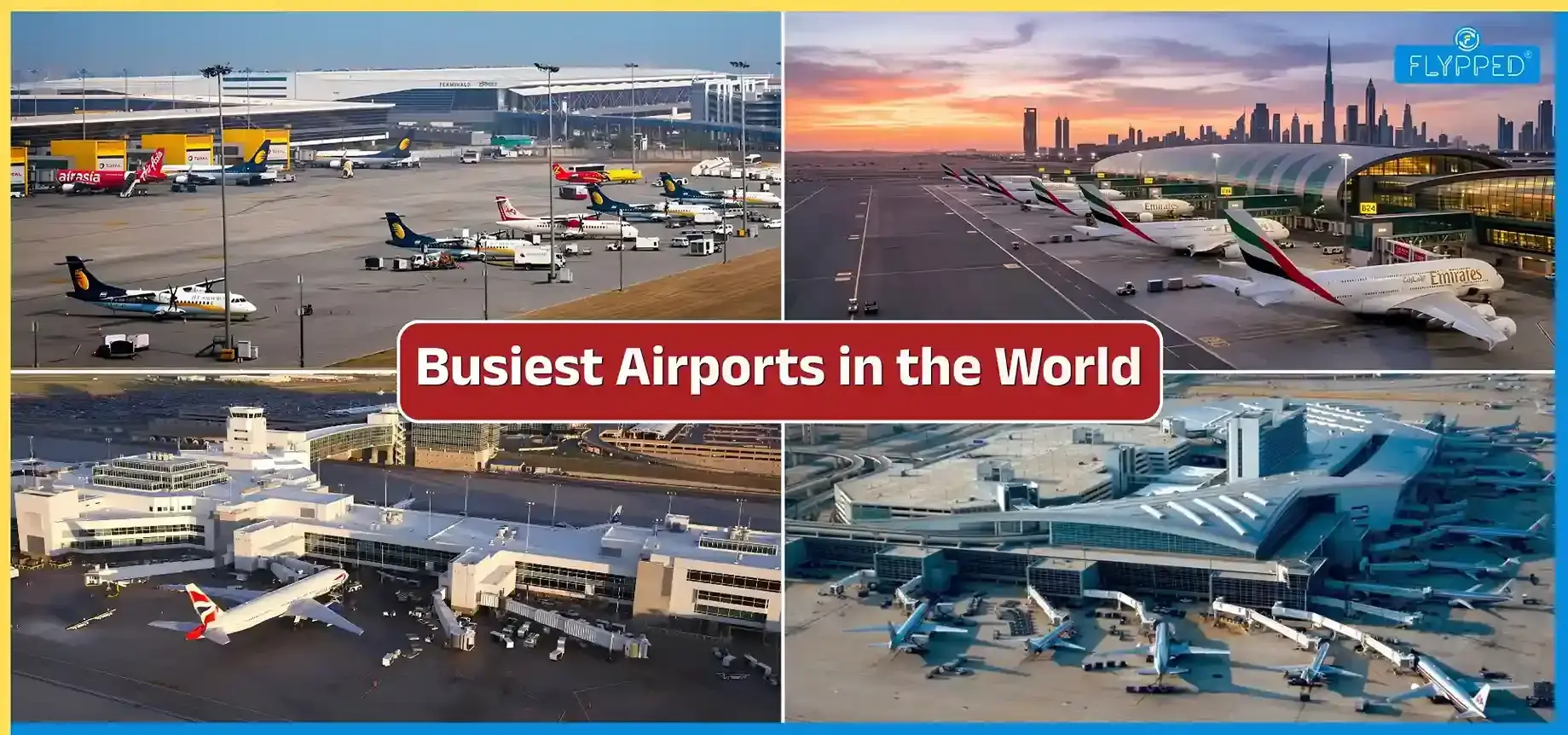
Introduction
Like railway stations and bus stops, airports are also places for commuting, where aeroplanes take off and land.
They are an essential part of business networks and travel to worldwide locations.
Each day, airports serve as hubs for millions of commuters travelling between cities and distant countries.
While some airports offer limited service, others are spacious enough to accommodate the maximum number of passengers and flights.
But what makes an airport ranks in the list of one of the busiest airports in the world?
The answer lies in an airport's capacity to handle passengers, flights, and international traffic.
NOTE: Explore travel guides, destination ideas, travel tips, and latest updates for your next journey.
The locations of the world’s busiest airports vary from major cities to key travel hubs. They link people from different parts of the world and boost tourism, business, and trade.
This blog brings you the list of the world’s busiest airports by ranking, along with a brief overview of major trends in the global aviation industry.
What Defines the Busiest Airport?
A combination of passenger traffic, flight operations, and geographical significance all plays a role in defining an airport's busyness.
Understanding these factors gives us a clearer picture of global aviation and the vital connections major airports create for people and economies around the globe.
Passenger Traffic: The Primary Indicator
Passenger traffic is essentially the number of travellers moving through an airport, including those arriving, departing, and connecting.
This metric is crucial for evaluating an airport's capacity and popularity.
In 2025, Hartsfield-Jackson Atlanta Airport welcomed over 106 million passengers, solidifying its position as the world's busiest airport, followed closely by Beijing Capital International Airport, which recorded around 100 million passengers.
Flight Operations: Quantifying Activity
Flight operations refer to the total number of takeoffs and landings at an airport. Comparing these figures among top airports reveals their activity levels.
For instance, Atlanta reported about 900,000 flight operations in 2025, while both Beijing and Los Angeles documented around 700,000 operations.
Airlines play a significant role in shaping airport traffic by setting flight schedules and routes.
Location and Connectivity
The geographical location of an airport greatly influences its busyness. Airports situated in strategic locations often become major hubs, enabling efficient connections between destinations.
Hub airports, like Atlanta, facilitate smooth transfers, whereas point-to-point airports focus primarily on direct flights.
Additionally, regional economic activity can significantly impact airport traffic, as thriving areas tend to attract more travellers.
Economic Contributions of Busy Airports
Busy airports are crucial to local economies. They create jobs directly and indirectly, benefiting surrounding businesses and tourism.
Also, major airports connect regions to international markets, enhancing trade and travel and, in turn, boosting their economic significance.
Top 10 List of Busiest Airports in the World
The following airports are included in the shared ranking outline:
- Hartsfield-Jackson Atlanta International Airport
- Dubai International Airport
- Dallas/Fort Worth International Airport
- Tokyo Haneda Airport
- London Heathrow Airport
- Denver International Airport
- Istanbul Airport
- Chicago O'Hare International Airport
- Indira Gandhi International Airport
- Shanghai Pudong International Airport
Let's take a closer look at each airport.
1. Hartsfield-Jackson Atlanta International Airport
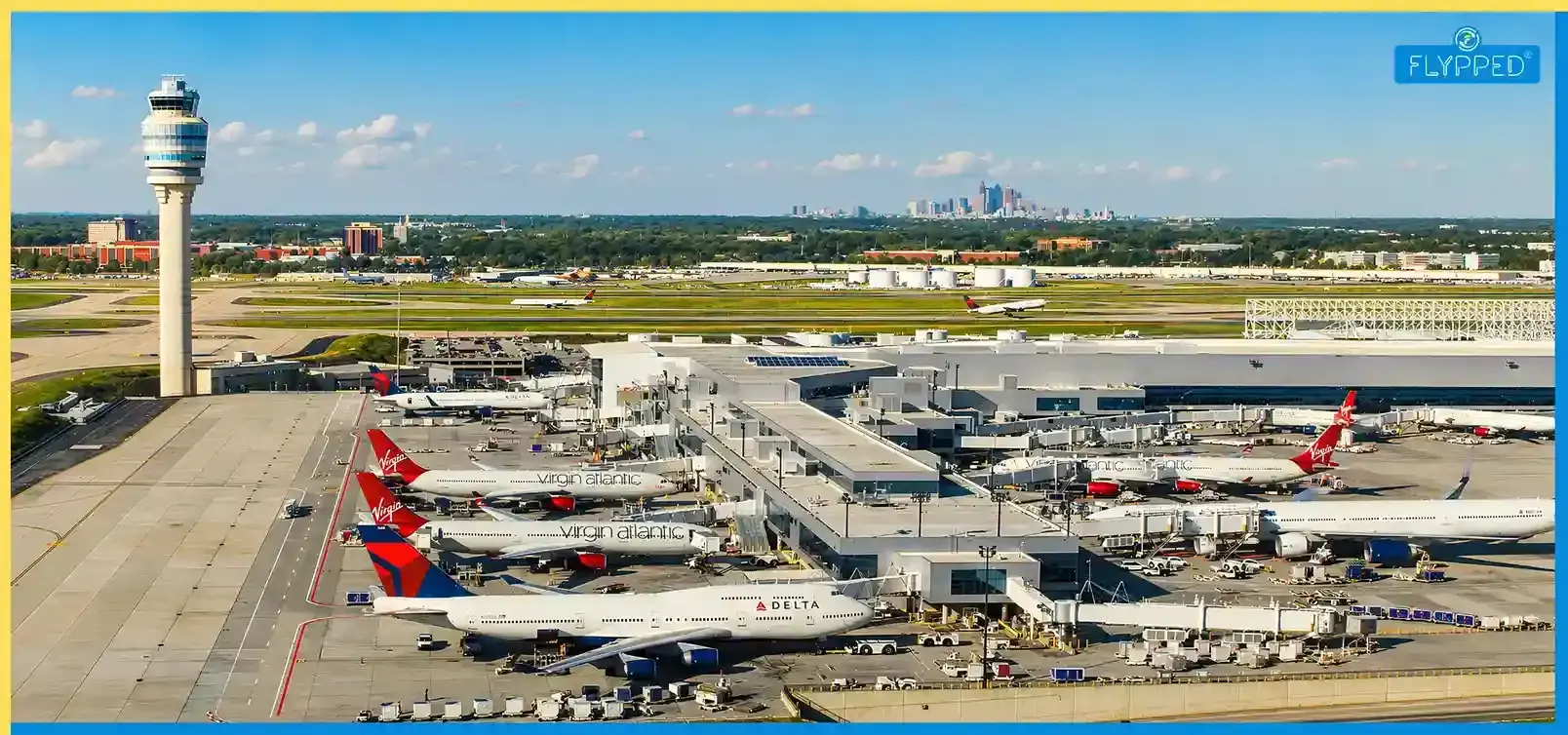
Hartsfield-Jackson Atlanta International Airport is one of the world’s busiest airports, known for its high passenger traffic and extensive flight operations.
Established in 1925 as Candler Field, it has grown into a modern global travel hub through major renovations and the addition of new concourses.
The airport serves as a key hub for Delta Airlines and an important connection point for domestic and international flights.
Its organised terminals, dining options, shopping outlets, and lounges make travel convenient.
Recent upgrades include expanded facilities and advanced technology to improve operations.
The airport is also focusing on sustainability to reduce its environmental impact.
2. Dubai International Airport
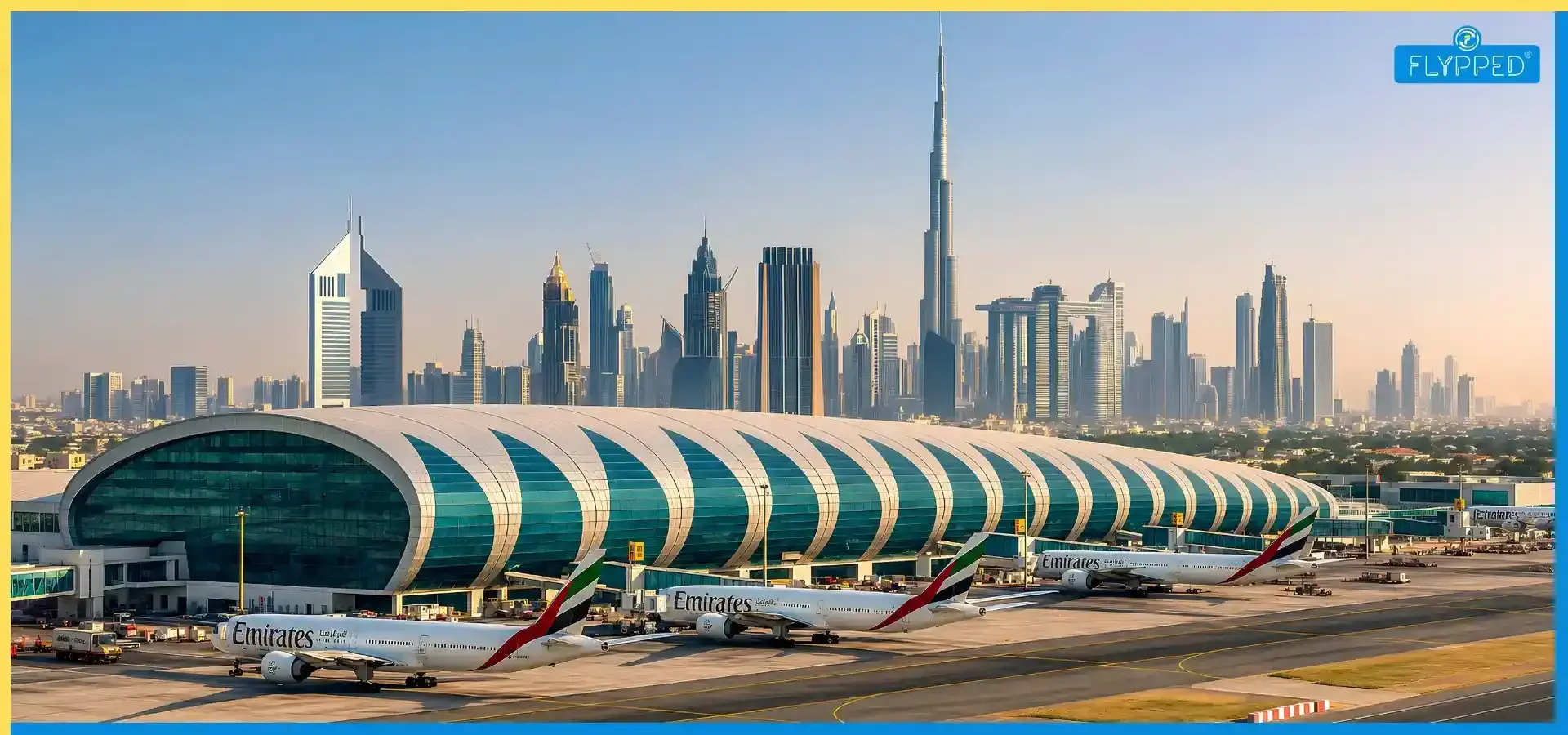
Dubai International Airport is another of the world's busiest airports, known for its modern facilities, extensive flight connections, and impressive architecture.
It serves millions of travellers each year.
Terminal 3, one of the world’s largest passenger terminals, features luxurious lounges, extensive shopping, and comfortable spaces.
The airport combines modern design with green areas to create a relaxing environment.
However, geopolitical tensions, including the ongoing conflict with Iran, have affected passenger traffic and operations.
To improve security and reduce waiting times, Dubai International Airport has introduced advanced scanning technology, allowing passengers to keep laptops and liquids inside their bags during screening.
3. Dallas/Fort Worth International Airport

Dallas/Fort Worth International Airport (DFW) is a major hub for domestic and international travel, serving millions of passengers each year.
Located between Dallas and Fort Worth, it opened in 1974 and has grown from two terminals into one of the world’s busiest airports.
Today, DFW has five terminals, with Terminal A mainly serving American Airlines and Terminal D handling international flights.
Travellers can enjoy restaurants, shops, and accessibility services.
Taxis, shuttles, rental cars, and public transportation provide convenient travel options.
For a smooth journey, arrive two hours before domestic flights and three hours before international flights, and pack carry-on bags carefully.
4. Tokyo Haneda Airport
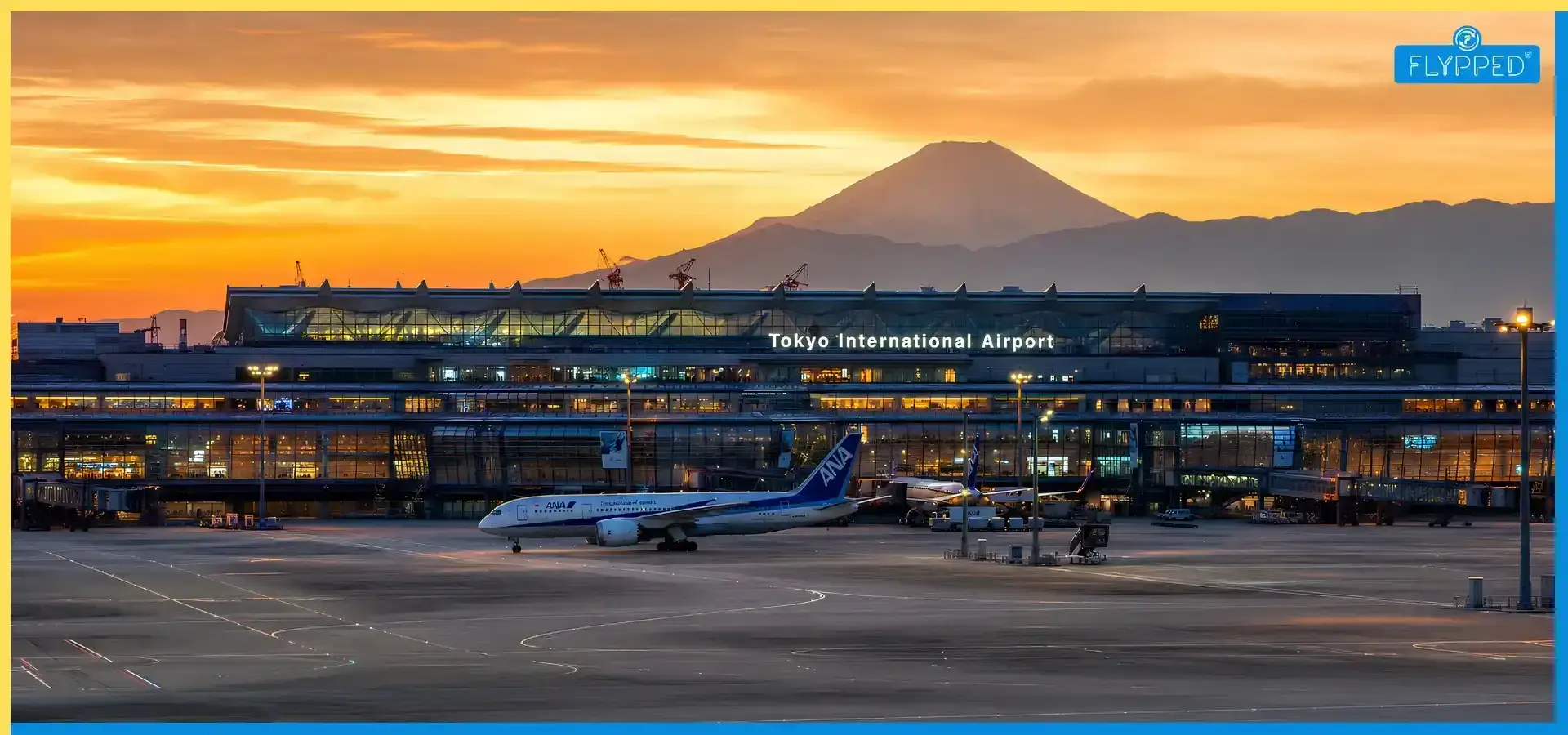
Tokyo Haneda Airport is one of Japan’s busiest airports in the world, serving millions of passengers each year.
Located about 30 minutes from central Tokyo, it offers excellent convenience for domestic and international travellers.
The airport has three main terminals, along with free Wi-Fi, lounges, shopping, and dining options.
Recently, Terminal 1 North Satellite opened, marking the terminal’s first major expansion since 1993.
The facility adds six gates, increases passenger capacity, and includes modern lounges, a children’s play area, and self-driving vehicles.
The expansion also focuses on sustainability, using eco-friendly steel and timber to reduce environmental impact while improving passenger comfort and operational efficiency.
5. London Heathrow Airport
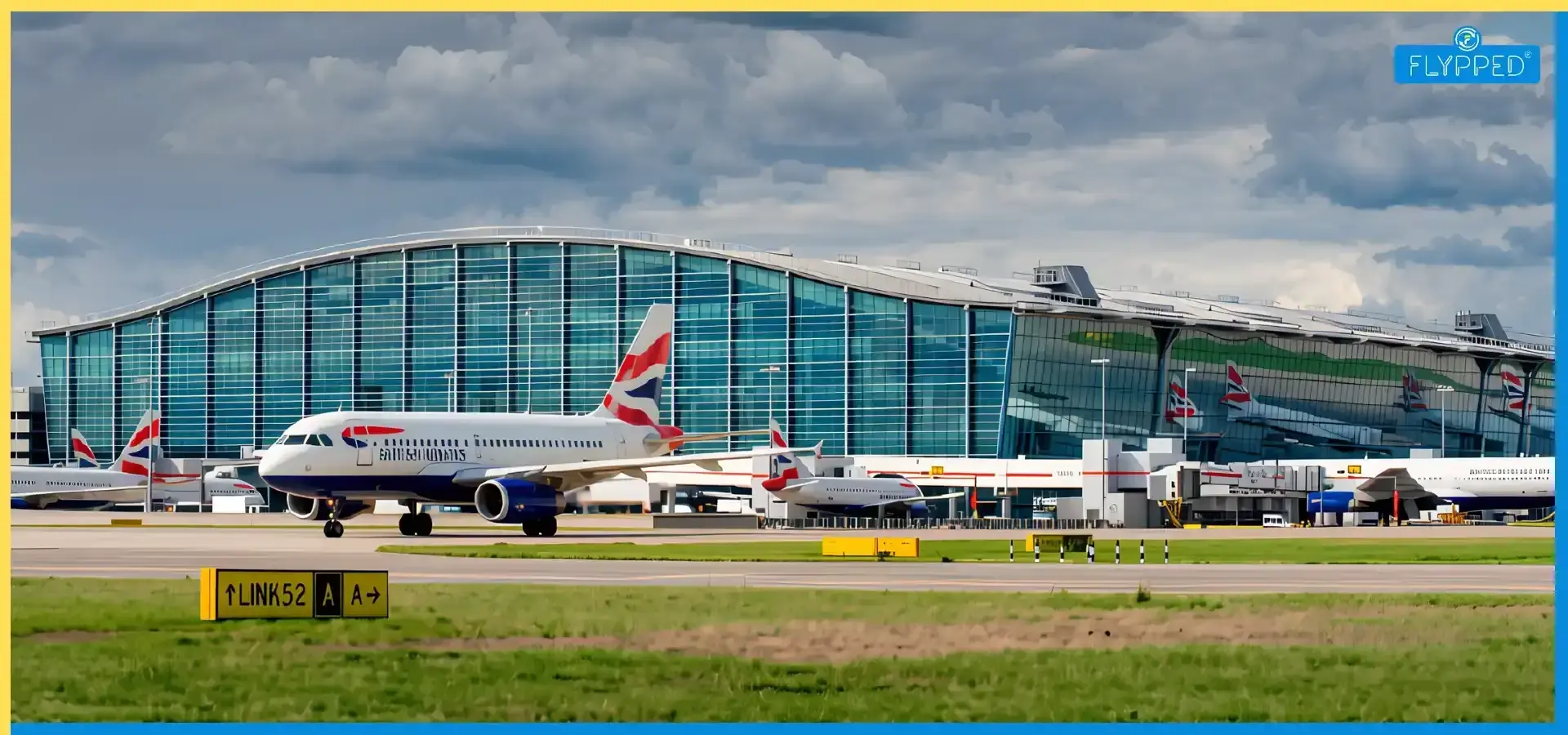
London Heathrow Airport (LHR), located west of Central London, is one of the world’s busiest international airports.
Opened in 1946 as London Airport, it has grown significantly through major terminal and infrastructure developments.
In 2026, Heathrow was recognised as the world’s best major airport and handled around 37.8 million passengers, ranking second globally for international passenger traffic.
The airport has five terminals offering shopping, dining, lounges, and accessibility services.
With facilities such as wheelchair assistance and dedicated support for passengers with disabilities, Heathrow focuses on providing a convenient, comfortable, and efficient travel experience for millions of passengers worldwide.
6. Denver International Airport

Denver International Airport (DIA), opened in 1995, is the largest airport in the United States by land area and a major gateway to Colorado’s Rocky Mountains.
Its famous tent-like roof design reflects the region’s snow-covered peaks while incorporating energy-efficient features and natural lighting.
DIA offers extensive dining, shopping, lounges, free Wi-Fi, charging stations, and convenient transportation.
The A Line train connects the airport directly to downtown Denver, while shuttles, rideshares, and parking provide additional options.
Ongoing construction is expanding capacity and improving passenger services.
United Airlines will launch daily nonstop flights from Denver to Paris in May 2027, creating new international travel opportunities.
7. Istanbul Airport
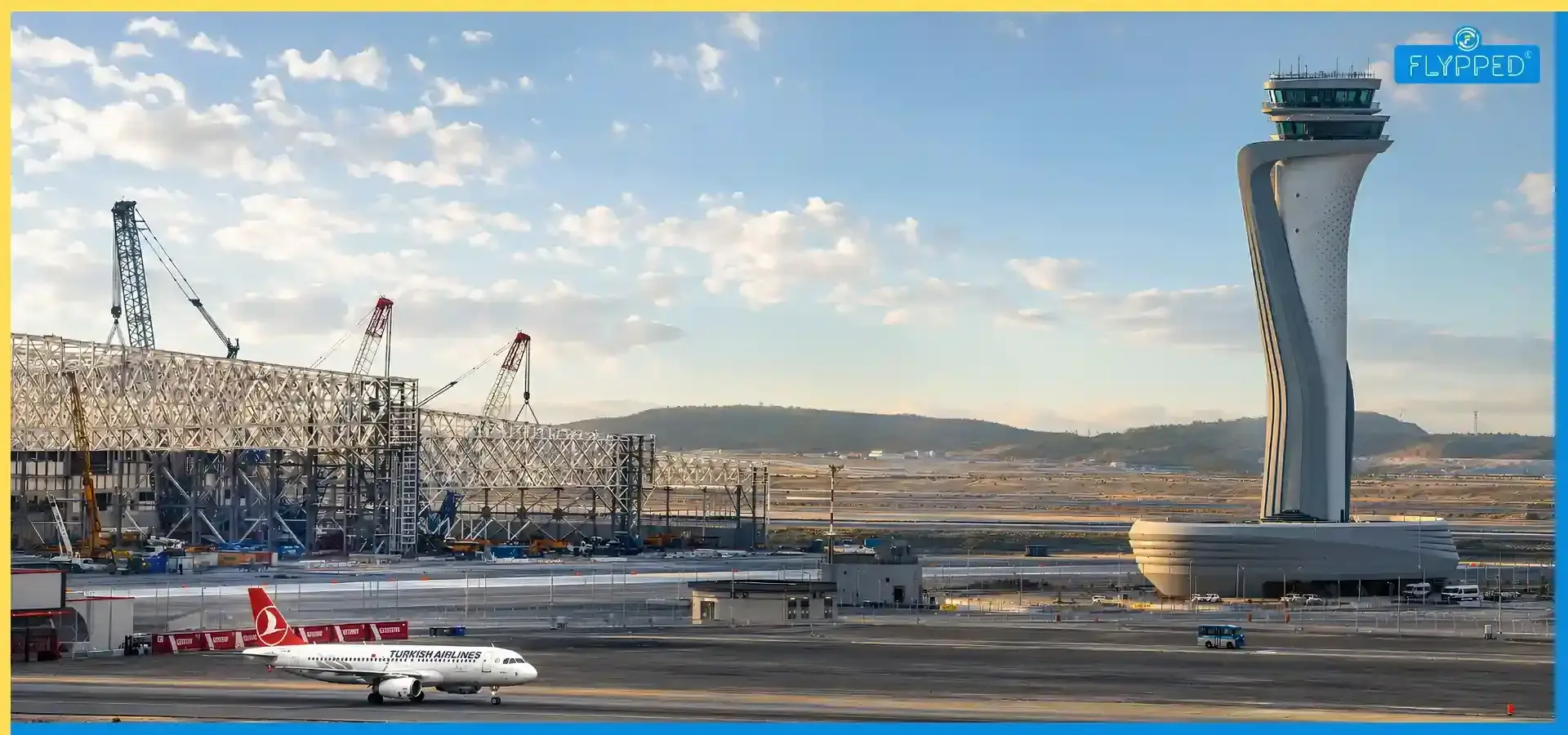
Istanbul Airport has emerged as Europe’s busiest airport in the world, surpassing Heathrow for the first time in over 20 years.
Opened in October 2018, it was built to handle more than 200 million passengers annually.
By July 2026, it recorded 8.15 million passengers, highlighting its growing importance as a global hub.
Located between Europe and Asia, the airport offers excellent flight connectivity, modern architecture, and sustainable facilities.
Travellers can enjoy duty-free shopping, diverse dining, lounges, relaxation areas, and convenient transport links.
To ensure a smooth journey, arrive early, use airport apps for updates, and explore cultural exhibits showcasing Turkey’s rich heritage.
8. Chicago O'Hare International Airport
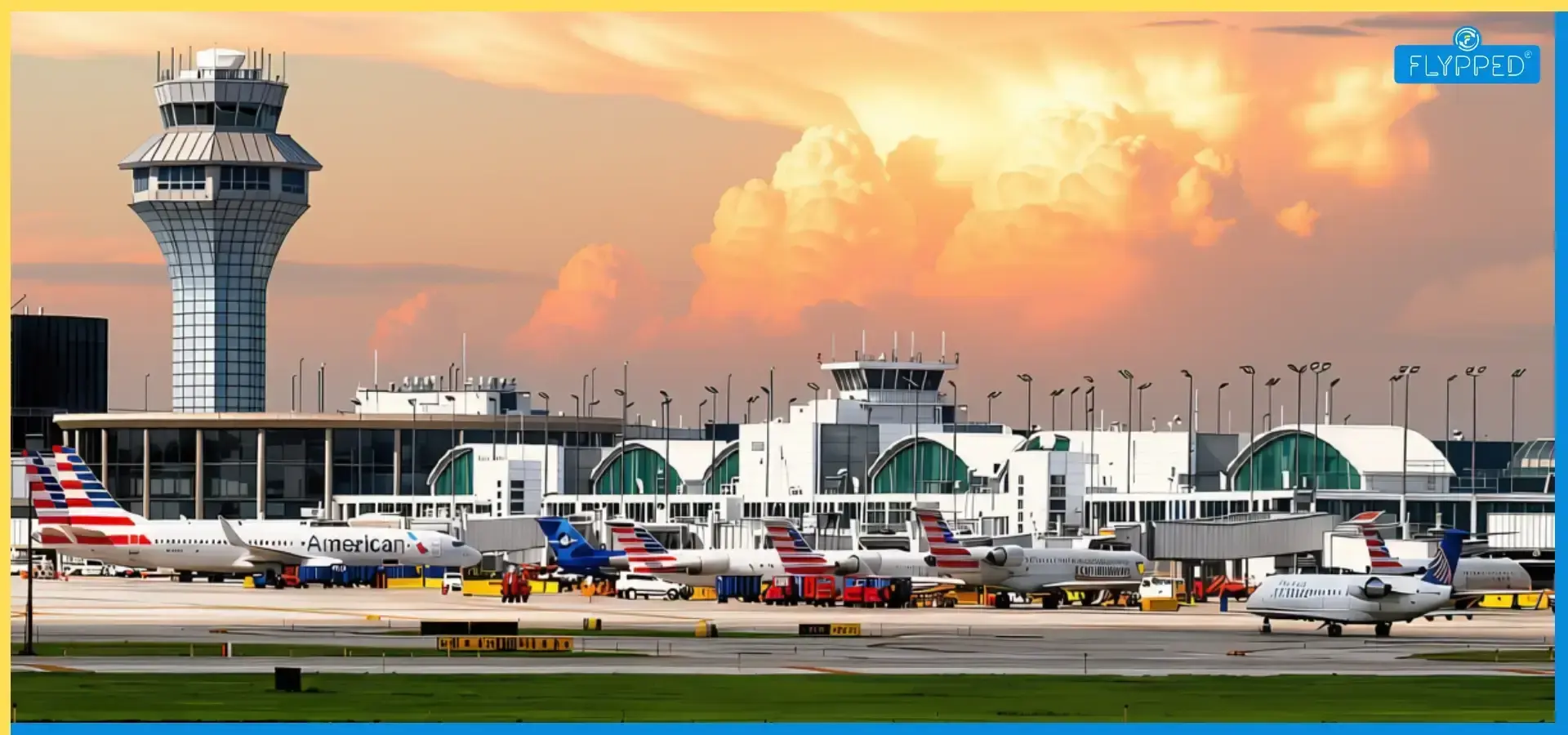
Chicago O'Hare International Airport is one of the world’s busiest airports and a major hub for domestic and international flights.
Located in northern Chicago, it opened in 1955 as Orchard Field and was later renamed after World War II hero Edward “Butch” O’Hare.
The airport has four terminals, offering numerous airlines, restaurants, shops, and passenger services.
Travellers can reach O’Hare through the ‘L’ train, buses, taxis, rideshare services, and rental cars.
The airport continues to strengthen safety measures, improve passenger flow, and enhance the travel experience.
Despite occasional incidents, such as aircraft tyre problems, O’Hare remains focused on passenger safety.
9. Indira Gandhi International Airport
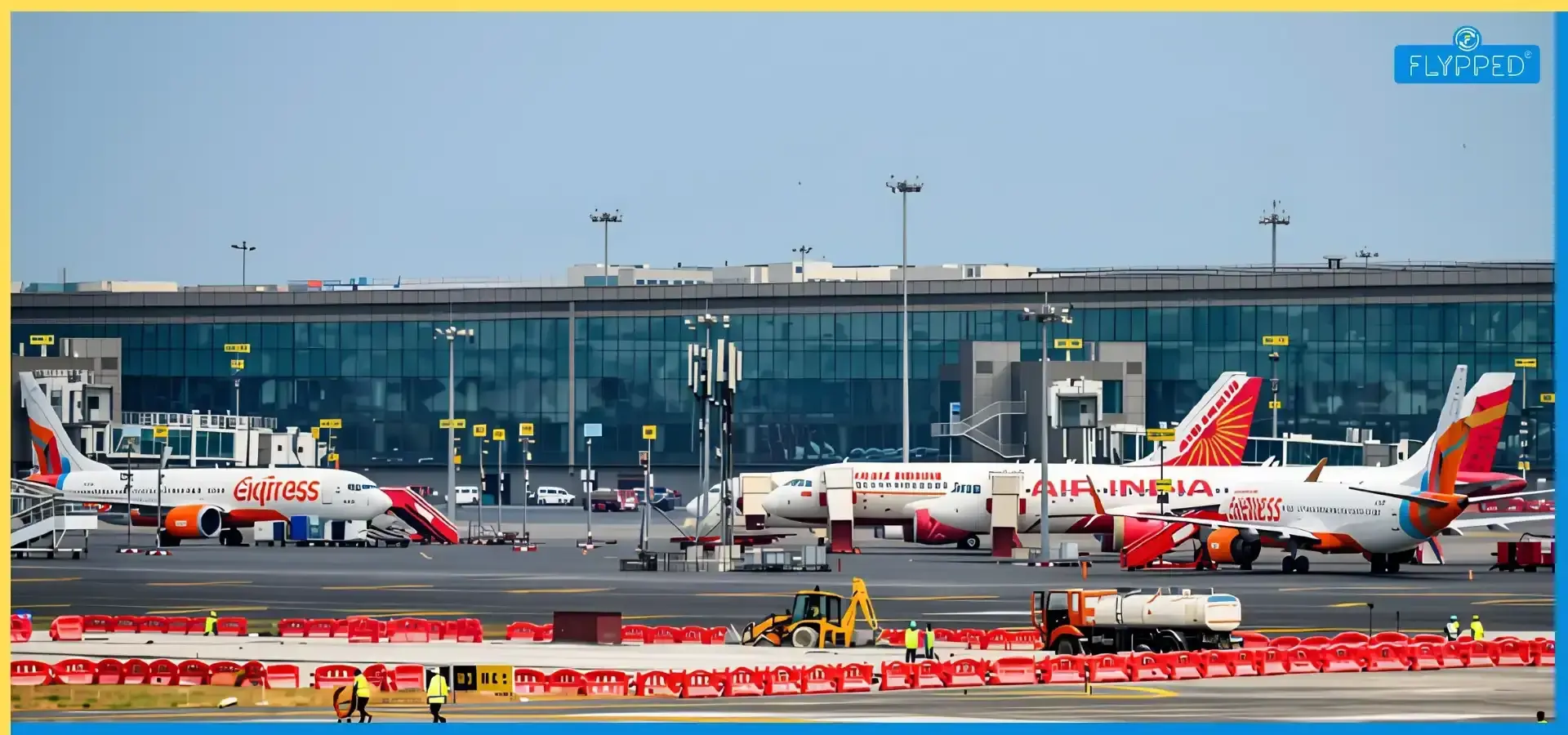
Indira Gandhi International Airport (IGIA) is also counted among the busiest airports in the world. It is a major gateway to India, connecting travellers worldwide with Delhi.
Established in 1962, it has grown from a single-terminal airport into a modern facility with three terminals, serving millions of passengers annually.
The airport offers lounges, dining, shopping, accessibility services, and convenient transport, including metro and taxis. Its cargo operations also support local and international trade.
FedEx has announced a $150 million investment in a new cargo hub, increasing processing capacity from 600 to 5,000 packages per hour.
Travellers should arrive early, use the metro for convenience, and seek assistance at information desks when needed.
10. Shanghai Pudong International Airport
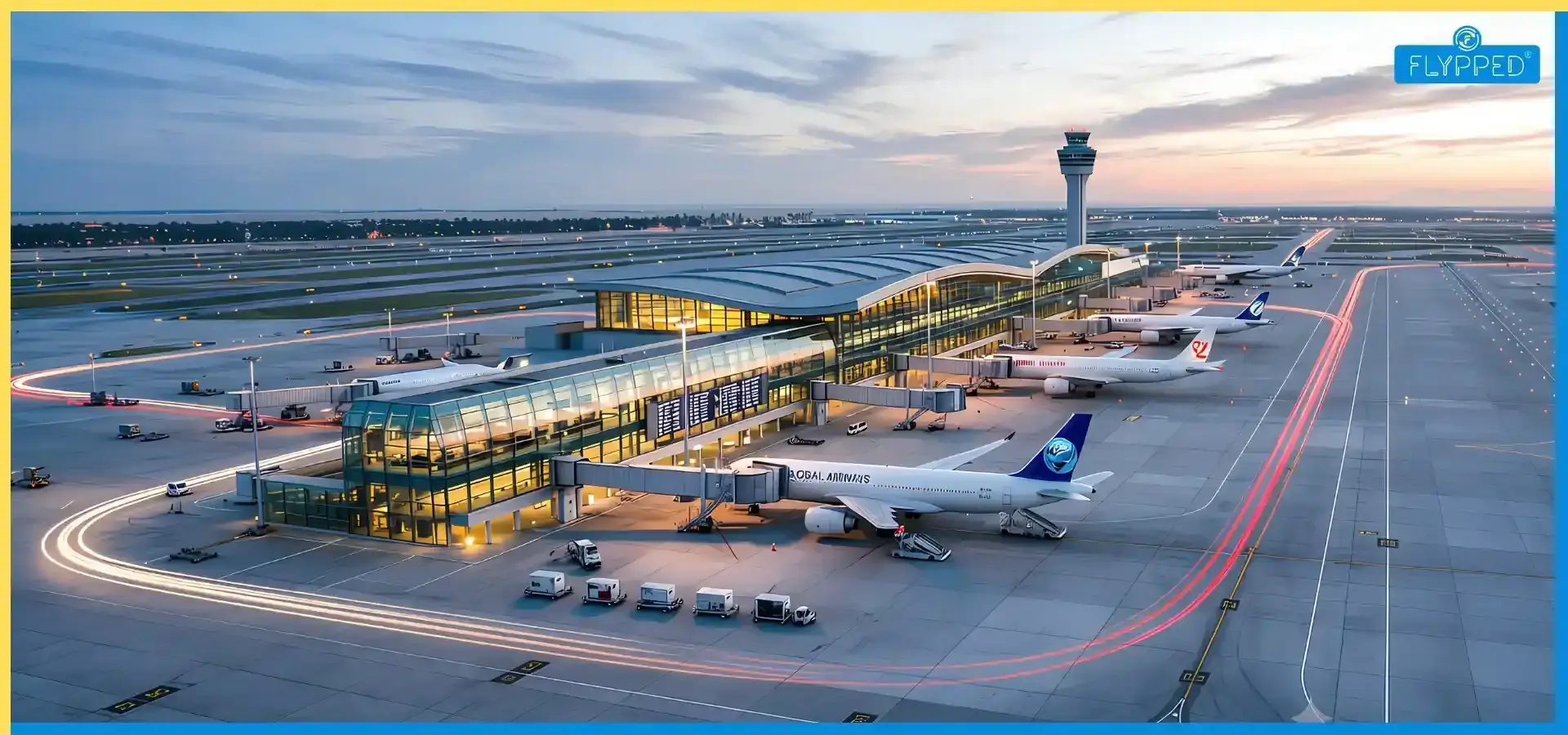
Shanghai Pudong International Airport is one of the world’s busiest airports and a major international travel hub.
Located in Shanghai, China, it opened in 1999 to handle growing air traffic.
The airport has two main terminals, offering duty-free shops, restaurants, lounges, and modern facilities. Travellers can reach the city by taxi, bus, or the high-speed Maglev train.
Major airlines, including China Eastern Airlines and Air China, operate from the airport. Strong security measures ensure passenger safety.
For a smooth journey, travellers should arrive early and familiarise themselves with the airport layout. Nearby attractions include the Bund, Yu Garden, and Shanghai Tower.
Busiest Airport by Flights vs Passenger Traffic
An important point to understand is that the airport with the most passengers may not always be the airport with the most flights.
Passenger traffic measures the number of passengers using an airport.
Flight or aircraft traffic measures the number of aircraft movements, usually counting takeoffs and landings.
For example, one airport may have many large aircraft carrying hundreds of passengers. Another airport may have more flights but use smaller aircraft.
This means airport rankings can vary depending on the metric used.
Passenger traffic is especially useful for understanding how many people use an airport. Aircraft movements are useful for understanding how busy the airport's runways and operations are.
International passenger traffic provides another important picture. Airports such as Dubai, Heathrow and Istanbul are particularly important because of their international connections.
Therefore, there is no single definition of the "busiest airport." The answer depends on whether we are looking at passengers, flights, international traffic or another measurement.
Largest Airport in the World vs Busiest Airport
The largest and busiest airports are not necessarily the same.
Airport size usually refers to the area of land an airport occupies. Some airports cover enormous areas but may not handle the highest passenger volume.
On the other hand, a busy airport can operate on a smaller area while handling huge numbers of travellers.
Airport design also matters. The number of terminals, runways, gates and other facilities can affect how efficiently an airport handles passengers and flights.
This is why airport rankings should not be based only on physical size.
A large airport may have ample land, while a busy airport may be extremely active due to strong passenger demand and a large flight network.
In simple terms:
Largest Airport = physical size
Busiest Airport = amount of traffic and activity
These are two different things.
Trends Shaping Global Airport Rankings
When discussing the busiest airports in the world, it is essential to note that the landscape of global aviation is ever-changing, influenced by factors that continually reshape airport rankings.
Understanding the trends shaping global airport rankings can offer fascinating insights into the future of air travel and the attributes that distinguish an airport from its peers.
Why Customer Satisfaction Matters
- At the heart of airport rankings lies passenger satisfaction. Elements like cleanliness, available amenities, and quality of service play a huge role in a traveller’s experience.
- Airports that actively enhance this experience often enjoy higher ratings, which can significantly boost their position in global standings.
- When travellers are happy, they’re more likely to return, positively impacting both rankings and the airport's reputation.
Innovations Enhancing the Passenger Journey
- Technology is transforming how we travel. Many airports are now embracing smart technologies that make check-ins and boarding smoother.
- Mobile apps keep passengers updated on flight statuses, gate changes, and other vital information.
- These improvements not only simplify the travel experience but also boost customer satisfaction.
Automation and Its Effects
- The rise of automation is changing the face of airport operations.
- Self-service kiosks and automated baggage handling systems are becoming standard, leading to shorter wait times and better operational efficiency.
- Passengers can check in, print boarding passes, and even tag their luggage without needing staff assistance.
- This efficiency is crucial as airports manage increasing passenger volumes.
Data Analytics and Airport Operations
- Many of the world's busiest airports are turning to data analytics to improve decision-making.
- These applications help with everything from flight scheduling to resource management and predicting passenger flows.
- By utilising data effectively, airports can streamline operations, respond to challenges quickly, and boost overall efficiency.
- This analytical approach is vital for staying competitive in the industry.
Green Initiatives and Their Impact
- Sustainability is becoming a key factor in how airports are ranked. Many are adopting renewable energy sources like solar and wind power for their operations.
- Programs such as LEED certification recognise airports that adhere to high environmental standards.
- As awareness of climate change grows, sustainable practices will likely play an even larger role in determining how airports are ranked.
Community Engagement and Social Responsibility
- Airports are also increasingly focusing on their social responsibilities and engaging with local communities.
- Many invest in educational and environmental initiatives that benefit the regions they serve.
- Involving stakeholders in sustainability efforts helps build trust and enhances the airport's image within the community.
Looking Ahead
- The trends shaping global airport rankings are complex, blending passenger experience, technological advancements, and sustainability.
- As the aviation industry evolves, airports that adapt and innovate will likely remain at the top of future rankings.
- By prioritising customer satisfaction, integrating modern technology, and committing to sustainable practices, airports can not only improve their rankings but also ensure a more enjoyable travel experience for everyone.
Future of the World's Busiest Airports
The aviation industry is on a continuous journey of change, and the world’s busiest airports are no exception.
As the demand for travel ramps up and technology progresses, these airports are evolving to meet future needs.
The busiest airports in the world are increasingly focusing on eco-friendly materials and designs to reduce their environmental footprint.
Many are on a path towards carbon neutrality, featuring green roofs and energy-efficient systems that highlight their commitment to sustainability.
To improve the travel experience, airports are embracing biometric technology for quicker check-ins, while user-friendly mobile apps guide passengers through their journeys.
The integration of artificial intelligence also plays a key role in enhancing security measures and operational effectiveness.
Across the globe, major airports are gearing up for significant expansions.
Public-private partnerships are essential for funding these initiatives, with completion dates set to enhance capacity and improve overall traffic flow.
Airports are making necessary adjustments to health protocols and responding to new passenger expectations.
The rise of hybrid work models is also reshaping business travel patterns, pushing airports to adapt.
Volatile fuel prices can have a considerable impact on airport operations.
Keeping up with evolving international travel policies is crucial for maintaining seamless operations.
Conclusion
The busiest airports in the world are important centres of global transportation. They connect cities, countries and continents while supporting tourism, business and international trade.
However, the term "busiest airport" can mean different things. Passenger traffic, aircraft movements, and international travel are all useful indicators of airport activity.
It is also important to remember that the largest airport by area is not necessarily the busiest.
As global travel continues to evolve, technology, tourism, airline networks, city growth and sustainability will shape the future of the world's leading airports.
These airports are not simply places where planes arrive and depart. They are major gateways connecting people and economies worldwide.
Read More:
Frequently Asked Questions
Find answers to common questions about this topic
The busiest airport can vary by year and ranking method. It is generally determined by the total number of passengers handled annually.
Airports are primarily ranked by annual passenger traffic, including both domestic and international passengers.
The United States has several airports that consistently rank among the world's busiest due to its large domestic aviation market and extensive international connections.
Airport traffic depends on factors such as population, tourism, business travel, airline hubs, connecting flights, and the airport's geographic location.
A busy airport can boost tourism, trade, employment, and regional economic growth while providing better connectivity to domestic and international destinations.