Best Places to Visit in Mumbai: Top Tourist Attractions, Food Places & Beaches
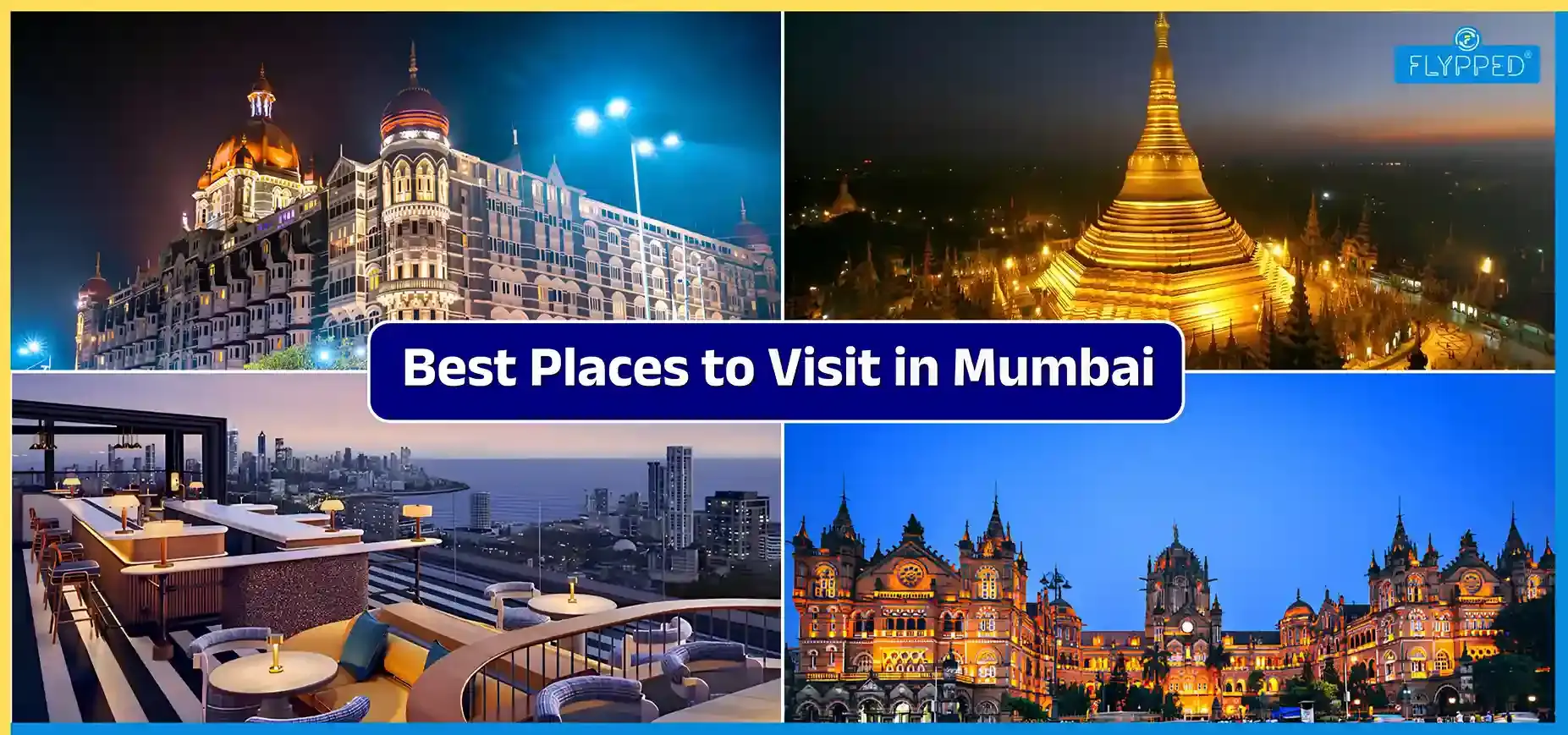
Mumbai hits you with the salt-tinged breeze off the Arabian Sea, the honk-and-hustle of local trains, the smell of frying vada pav on a street corner, and skyscrapers standing shoulder to shoulder with 500-year-old forts. It is India's financial capital and the beating heart of Bollywood but scratch the surface and you will find fishing villages, colonial-era monuments, and quiet gardens tucked between the chaoses. Whether you have two days or two weeks, this guide to the best places to visit in Mumbai covers the city's iconic landmarks, famous beaches, food streets, heritage sites and the best of its nightlife, plus what to expect if you are visiting during Ganesh Chaturthi, when the city truly comes alive.
NOTE: Explore travel guides, destination ideas, travel tips, and latest updates for your next journey.
Why Mumbai Deserves a Spot on Every India Itinerary
Mumbai is often a first stop for international travelers landing in India and for good reason. It packs colonial architecture, coastline, street food, shopping and religious diversity into one compact peninsula. Locals will tell you the city runs on its suburban train network and an unshakeable "the show must go on" attitude. Even the 2008 terror attacks did not keep landmarks like Café Leopold from reopening within days. That resilience, layered over centuries of Portuguese, Mughal and British influence is what makes Mumbai tourist places so distinct from anywhere else in the country.
Must Visit Places in Mumbai: Iconic Landmarks
Gateway of India
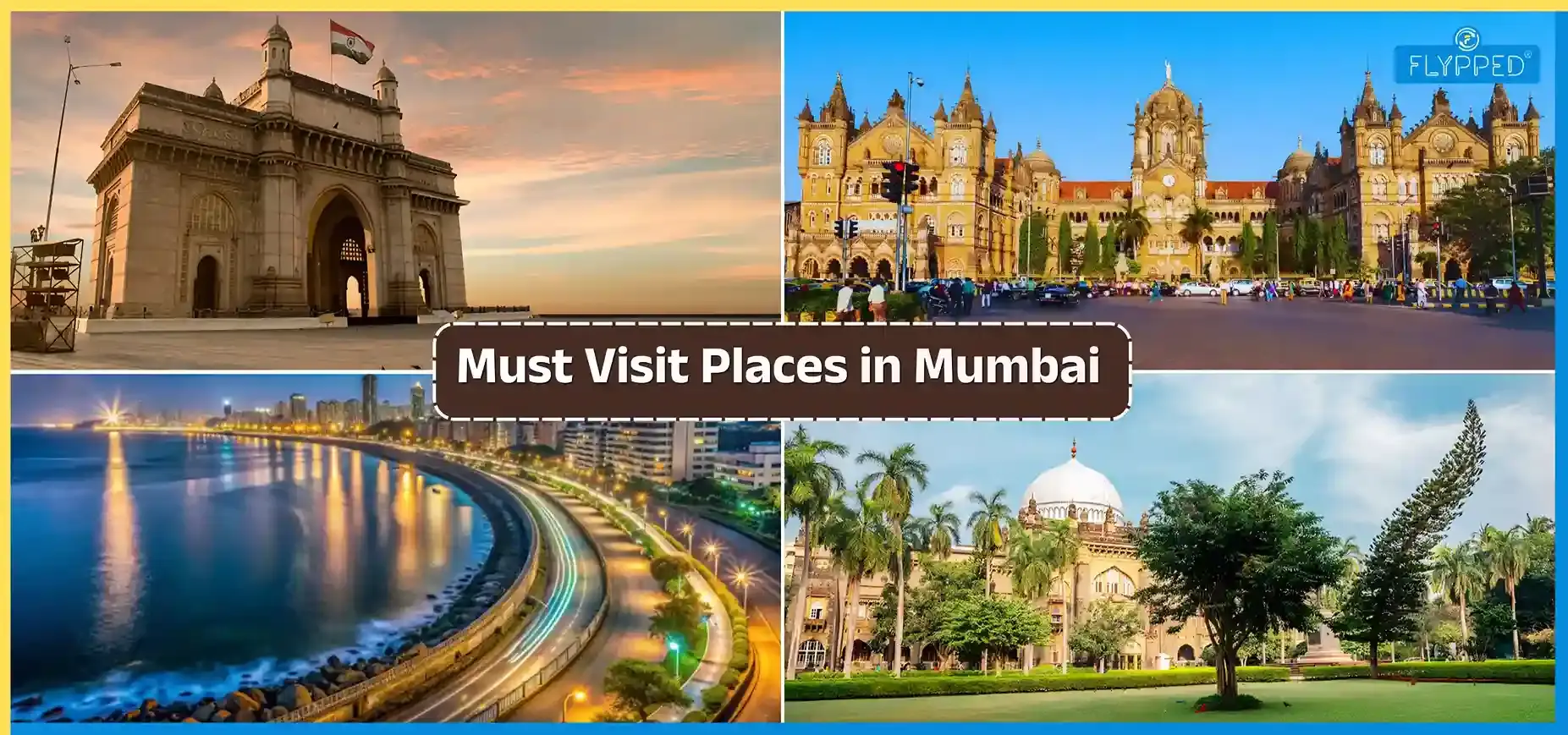
No list of must visit places in Mumbai starts anywhere else. Built in 1924 to commemorate the arrival of King George V and Queen Mary, this 26-metre basalt arch overlooking Apollo Bunder is the city's most photographed monument. Entry is free, it is open through the day and boats to Elephanta Caves depart from right beside it. Arrive close to sunset for the best light and a lively mix of vendors, photographers and harbour views.
Marine Drive
Nicknamed the "Queen's Necklace" for the way its streetlights curve along the bay like a string of pearls, this 4-kilometre promenade is where Mumbai comes to unwind. Locals jog here at dawn, couples watch the sunset in the evening and chai stalls do brisk business all day. It costs nothing to walk it and it is arguably the single best introduction to the city's rhythm.
Chhatrapati Shivaji Maharaj Terminus (CST)
A UNESCO World Heritage Site and still a fully functioning railway station, CST is a masterpiece of Victorian Gothic Revival architecture completed in 1888. It has featured in films from Slumdog Millionaire to Ra.One and even a quick walk past its facade is worth the detour if you are near Fort or Colaba.
Chhatrapati Shivaji Maharaj Vastu Sangrahalaya
Formerly the Prince of Wales Museum, this Indo-Saracenic building near the Gateway of India houses sculpture, miniature painting and decorative art spanning centuries. It won a UNESCO Asia-Pacific Heritage Award for conservation and remains one of the better museums in the country for a rainy-day plan.
Historical and Heritage Places in Mumbai
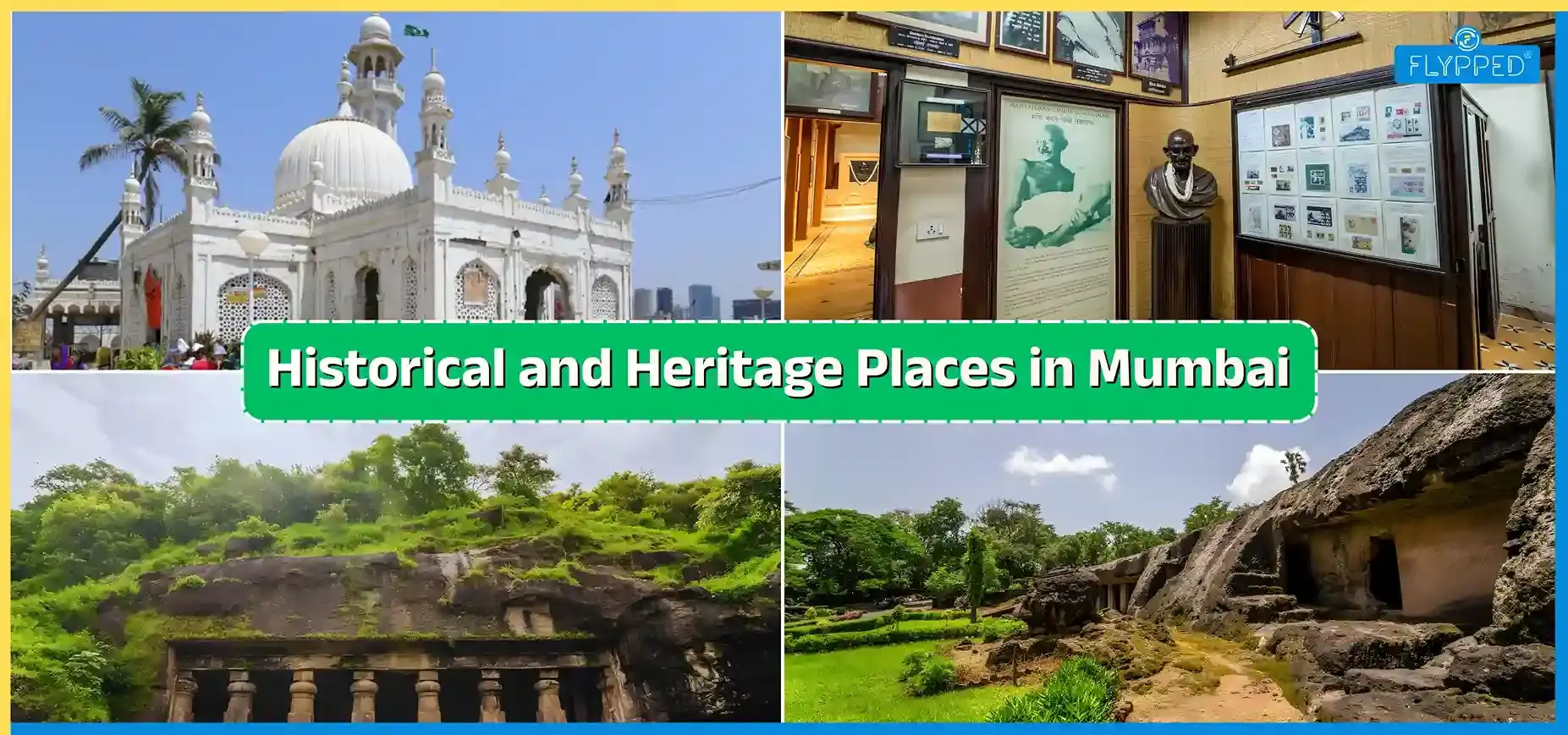
Mumbai's heritage places in Mumbai reflect layers of Maratha, Mughal, Portuguese and British history, often within a few kilometres of each other.
- Elephanta Caves: A short ferry ride from the Gateway, these rock-cut caves date to the 5th–6th century AD and are dedicated primarily to Lord Shiva. The main cave is nearly 40 metres deep and supported by six rows of pillars. It is a UNESCO World Heritage Site and one of the more atmospheric half-day trips from South Mumbai.
- Kanheri Caves: Set inside Sanjay Gandhi National Park, this cluster of Buddhist rock-cut caves once functioned as a major centre of Buddhist learning, with monastic cells, stupas, and a large prayer hall carved into the hillside.
- Mahakali Caves: Nineteen Buddhist caves tucked away in Andheri, carved from basalt rock and estimated to be around 2,000 years old with faint inscriptions in Pali still visible.
- Flora Fountain: Built in 1864 in Neo-Gothic and Indo-Saracenic style, this fountain in the Fort district was restored to its original form and now anchors a cluster of British-era buildings worth a walking tour.
- Haji Ali Dargah: A roughly 400-year-old Indo-Islamic shrine sitting on an islet connected to the mainland by a causeway, housing the tomb of the Sufi saint Pir Haji Ali Shah Bukhari. Non-Muslims are welcome and the walk out at low tide with the city skyline behind you is memorable.
- Mani Bhavan: The Gandhi museum in the house where Mahatma Gandhi stayed during his visits to Bombay between 1917 and 1934, offering a quieter, more reflective stop compared to the city's louder attractions.
If heritage architecture interests you, a guided heritage walk through South Mumbai's Fort and Kala Ghoda precincts is one of the most efficient ways to see several of these sites in a single morning.
Famous Beaches in Mumbai
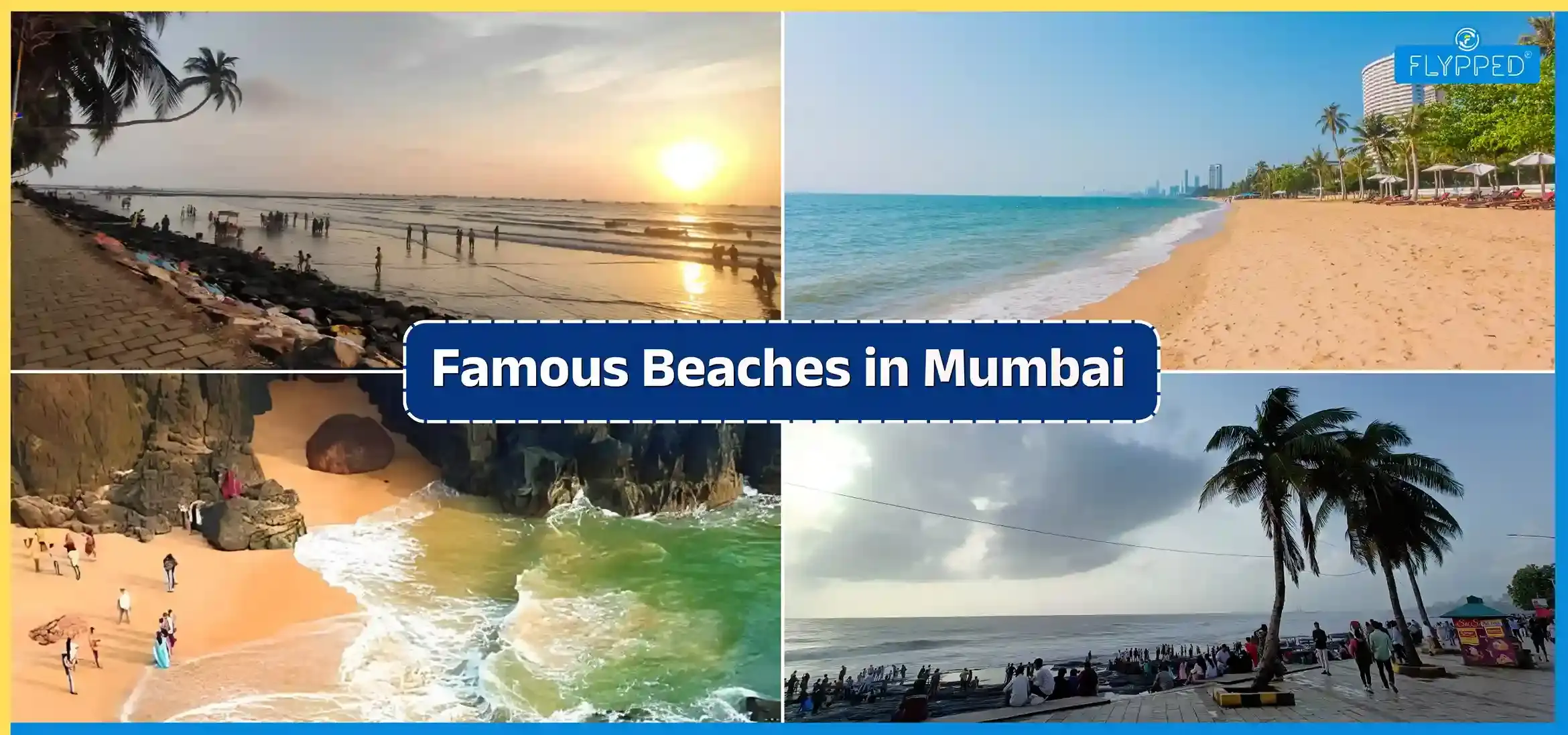
Mumbai's beaches are less about swimming as strong currents and city pollution make that inadvisable at most of them and more about sunsets, street food and people-watching.
- Juhu Beach: The city's most famous stretch of sand, backed by celebrity homes and lined with stalls selling pani puri, bhel puri and pav bhaji. Weekends bring horse rides, balloon sellers and a genuinely festive crowd.
- Chowpatty Beach: At the northern tip of Marine Drive, this beach is best known for its bhel puri and its role as the epicentre of Ganesh Chaturthi immersions (more on that below).
- Versova Beach: Once neglected, this fishing-community beach in Andheri West became a global symbol of a grassroots clean-up drive and now sees far fewer crowds than Juhu, making it a good pick if you want the coastline without the noise.
- Bandra Bandstand: Technically a promenade rather than a swimmable beach but the sea-facing walk near Bandra Fort is one of the loveliest in the city, especially at sunset.
- Aksa and Gorai Beach: Further north and quieter, these are better for a lazy day out than a quick city stop, popular with families and couples looking to escape the crowds.
Best Places for Couples in Mumbai
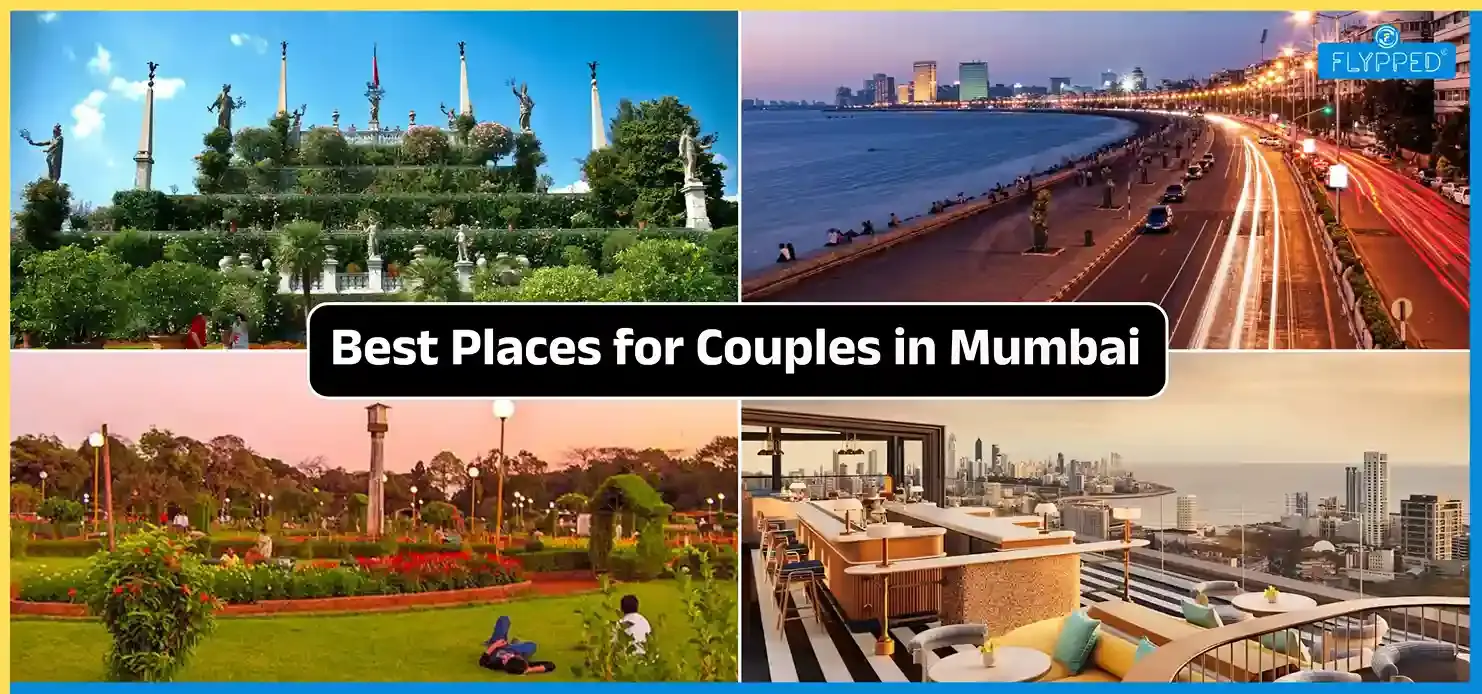
Mumbai has a genuinely romantic side once you get past the traffic. For the best places for couples in Mumbai, consider:
- Marine Drive at Sunset: simple, free and unbeatable for the view.
- Bandra-Worli Sea Link and Worli Seaface: especially dramatic during monsoon when waves crash over the promenade.
- Hanging Gardens and Kamala Nehru Park: on Malabar Hill, which offer skyline views and a quieter, greener setting.
- Gorai Beach: on a full-moon night, a favourite for couples looking for a low-key coastal escape without leaving the city limits.
- Rooftop dinners at spots like AER at Four Seasons or Asilo, both offering skyline views alongside the meal.
Peaceful Places in Mumbai
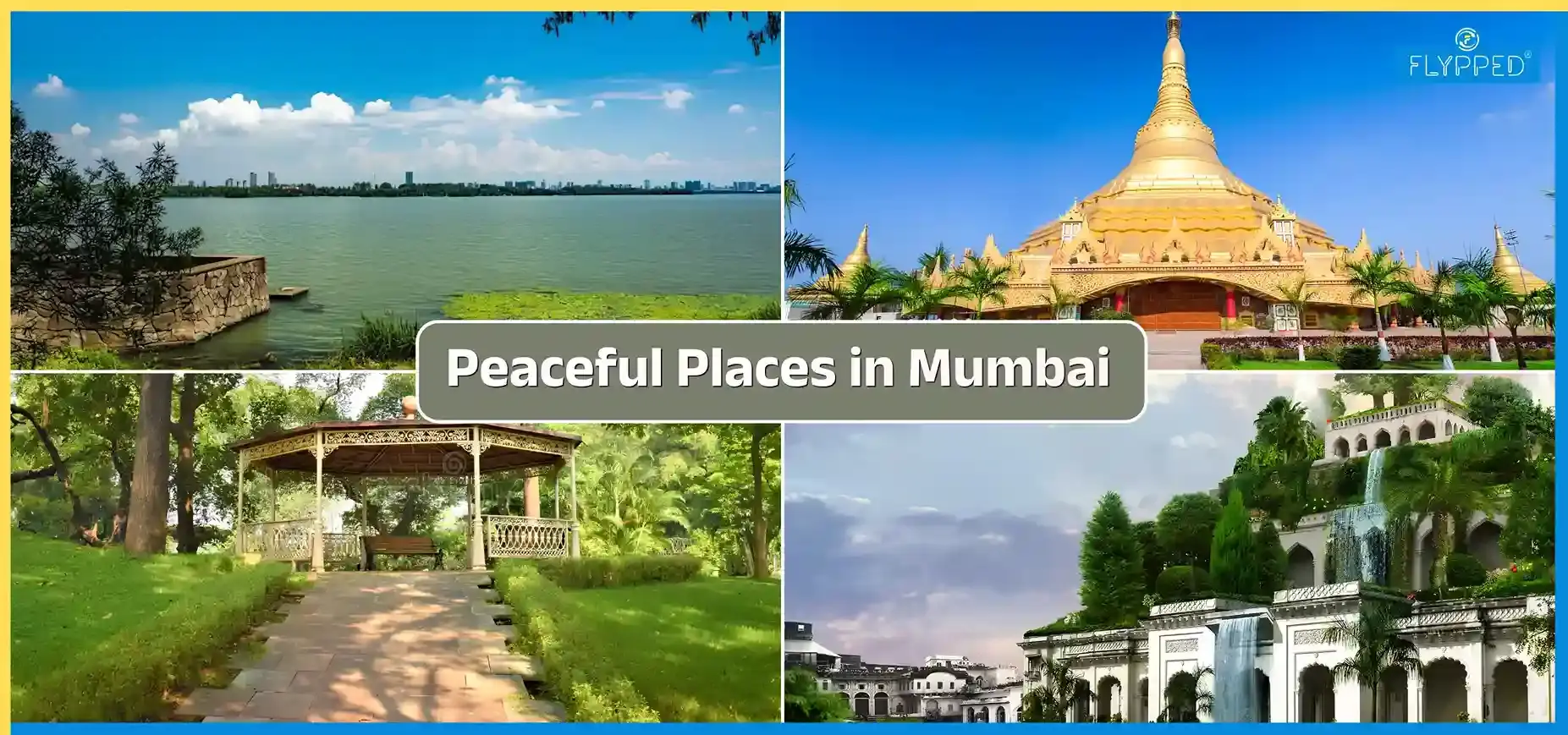
If the city's energy gets overwhelming, these peaceful places in Mumbai offer a genuine break:
- Hanging Gardens and Kamala Nehru Park: terraced gardens on Malabar Hill with topiary, walking paths and views over Marine Drive.
- Powai Lake: an artificial lake bordered by the IIT Bombay campus, good for an early-morning walk or boat ride away from traffic.
- Global Vipassana Pagoda: the world's largest pillar-less stone dome, built to spread the teachings of Buddhist meditation, with free meditation sessions available.
- Sanjay Gandhi National Park: a genuine forest within city limits, home to the Kanheri Caves and enough green cover to make you forget you are in a metropolis of over 20 million people.
Famous Food Places in Mumbai
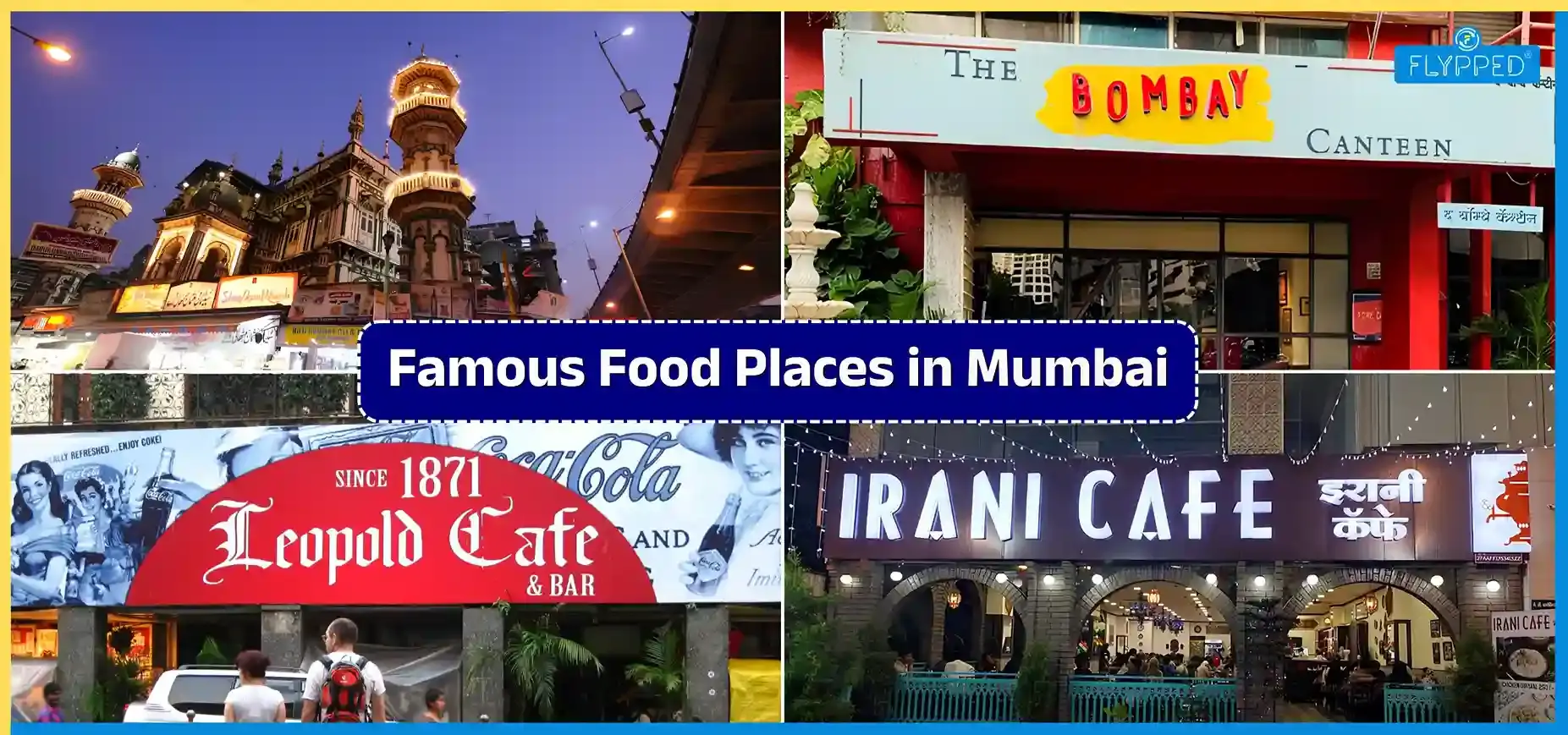
No visit is complete without eating your way through the city. Mumbai's food culture spans roadside stalls and Irani cafés to fine dining and the famous food places in Mumbai worth prioritizing include:
- Mohammed Ali Road: best visited in the evening for kebabs, biryani and Mughlai fare, especially lively during Ramzan.
- Juhu and Chowpatty Beach Stalls: for classic Mumbai chaat pani puri, sev puri, ragda patty and bhel puri.
- The Bombay Canteen: a Lower Parel restaurant reinterpreting regional Indian food for a contemporary crowd.
- Café Leopold: open since 1871 and one of Colaba's most storied multi-cuisine cafés, made famous in the novel Shantaram.
- Linking Road and Colaba Causeway: both double as shopping strips and street-food corridors, worth pairing a bargain-hunting session with a snack stop.
- Irani Cafés for a classic bun-maska and cutting chai breakfast, a Mumbai tradition worth experiencing at least once.
Best Places to Visit in Mumbai at Night
Mumbai genuinely earns its "city that never sleeps" reputation. For the best places to visit in Mumbai at night:
- Walk Marine Drive or Bandra Bandstand after dark, when the promenade lights and sea breeze make for one of the city's simplest pleasures.
- Head to Bandra and Lower Parel for the bulk of the city's pubs, lounges and live-music venues.
- Rooftop bars like AER (Four Seasons) or Asilo (St. Regis) offer skyline views paired with cocktails.
- Kala Ghoda and Fort are worth a slow evening walk past illuminated colonial buildings.
- If you would rather skip the club scene, a late-night meal followed by a stroll through Colaba Causeway captures the city's after-dark energy just as well.
Ganesh Chaturthi in Mumbai: Time It Right
If your trip lines up with the festival calendar, timing a visit around Ganesh Chaturthi is worth serious consideration. In 2026, the festival falls on September 14, marking the start of a ten-day Ganeshotsav that concludes with Anant Chaturdashi and the grand immersion (visarjan) processions on September 25.
Mumbai celebrates this festival like nowhere else in India. Elaborate pandals go up across the city, from the famously massive Lalbaugcha Raja to hundreds of neighbourhood mandals, each with its own themed decor. Streets fill with music, dance and processions carrying Ganesha idols toward the coast, and beaches like Chowpatty, Juhu and Girgaon become the focal points for the final immersion, with crowds, drumming and fireworks continuing late into the night.
If you are in the city during this period, even a short visit to a major pandal or a walk along Chowpatty on visarjan day will give you a far more vivid sense of Mumbai's spirit than any monument can. Just plan for heavier traffic and larger crowds around these dates, and keep valuables secure in the immersion-day crush.
Practical Tips for First-Time Visitors
- Getting Around: Mumbai's suburban trains are the fastest way to cross the city but get extremely crowded during rush hour; app-based cabs and autos are more comfortable for a short visit.
- Best Time to Visit: October to March offers the most pleasant weather; the monsoon (June–September) brings dramatic seascapes at Marine Drive and Worli Seaface but also heavy rain and flooding risk.
- Safety: Mumbai is generally considered one of India's safer big cities for tourists, though standard precautions around crowded areas and after-dark travel still apply.
- Money and Bargaining: Markets like Colaba Causeway and Linking Road expect bargaining; museums and monuments typically charge nominal entry fees, often under ₹100 for Indian nationals.
Final Thoughts
From the Gateway of India and Marine Drive to quiet cave temples and buzzing beach chaat stalls, Mumbai rewards visitors who mix the obvious landmarks with a little wandering. Pair the big-ticket sights with a food crawl, a sunset walk and if your dates align with Ganesh Chaturthi, you will leave with a far richer picture of the City of Dreams than any single attraction could offer on its own.
Read More:
Frequently Asked Questions
Find answers to common questions about this topic
The Gateway of India is generally considered Mumbai's most visited landmark as it's the city's most recognisable monument, free to enter and the departure point for Elephanta Caves ferries, so it draws both first-time tourists and locals year-round. Marine Drive would be the close second, given how many people pass through it daily just to walk or watch the sunset.
This one's subjective but Marine Drive consistently tops the list as the curve of the bay lit up at night (the "Queen's Necklace" effect) is hard to beat. For a different kind of beauty, the Hanging Gardens and Kamala Nehru Park on Malabar Hill offer a green, elevated view over the city and sea and Elephanta Caves gives you beauty rooted in ancient rock-cut architecture rather than skyline.
For pure entertainment, opt Essel World and Water Kingdom (amusement and water park), Snow World for something offbeat, Juhu Beach for street food and people-watching, and Colaba Causeway or Linking Road for shopping and bargaining. At night, Bandra and Lower Parel have the city's densest cluster of bars, lounges and live-music venues.
Quite a lot, Marine Drive, Gateway of India, Chowpatty and Juhu beaches, Worli Seaface, Bandra Bandstand, Hanging Gardens, Kamala Nehru Park, Powai Lake and the Global Vipassana Pagoda all have no entry fee. Most religious sites (Siddhivinayak Temple, Haji Ali, Mumba Devi Temple) are also free to visit, though donations are welcome.
Elephant Caves is the classic half-day option via ferry from the Gateway of India. For a full day out of the city, popular picks include Alibaug (beach town accessible by ferry to Mandwa), Matheran (a small hill station reachable by toy train, known for being vehicle-free), and Karjat or Lonavala for greenery and waterfalls, especially in monsoon season.