
Famous Food of Assam: Traditional Dishes, Local Flavors and Culinary Heritage
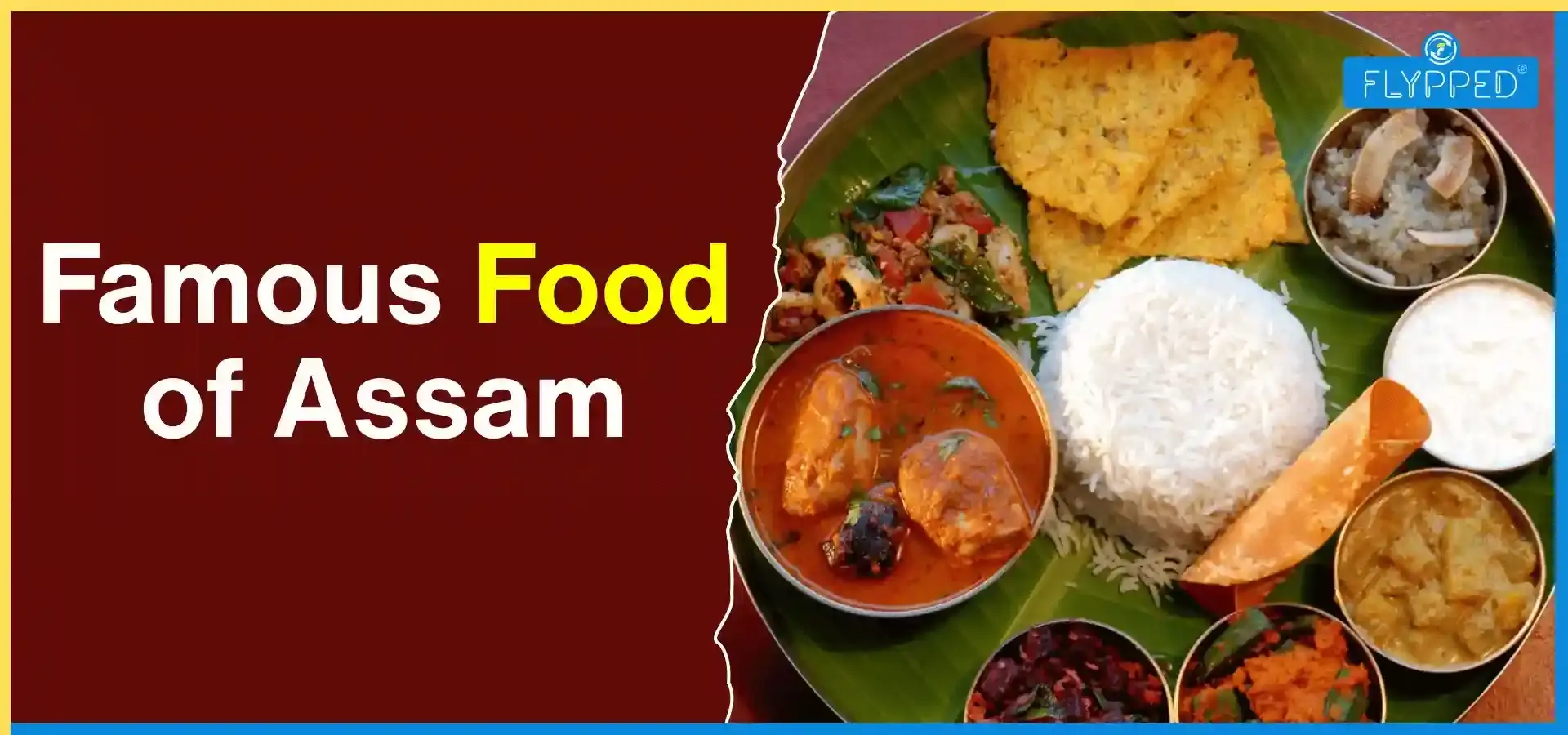
Tucked away in the northeast Assam is a land of rolling tea gardens, the mighty Brahmaputra River and a cuisine that isn’t loud but deserves recognition. Assam food isn’t about layers of spice or rich gravies rather it’s about restraint, about letting ingredients breathe. The traditional food of Assam has been shaped by centuries of geography, tribal wisdom and a deep relationship with the land. This blog will take you to a culinary trail about the famous food of Assam and more.
What Makes Assam’s Food Culture So Unique?
Before diving into dishes and delicacies themselves, it helps to understand the philosophy behind Assam food culture. Assamese cooking is minimalistic by nature. You’ll rarely find heavy cream based curries or elaborate dishes or tempering. Instead, mustard oil, fresh river fish, fermented ingredients and foraged grass takes the center. The cuisine is deeply medicinal in its roots. Many dishes were designed not just to satisfy hunger but to support digestion, balance the body and use of seasonal produce precisely. Tis food respects both the cook and the land it comes from.
There’s also significant tribal and indigenous influence. Communities like the Bodo, Mising, Karbi and other have contributed their own distinct flavors and techniques to what we today broadly call Assam special food. The result is a cuisine that’s pluralistic, deeply rooted and endlessly interesting.
NOTE: Explore travel guides, destination ideas, travel tips, and latest updates for your next journey.
Khar: Dish That Defines Assamese Identity
There will always be a mention of Khar when the conversation is about the famous food of Assam. Khar is unlike any regular dish. It refers to alkaline preparation made using the filtrate of dried banana peel and ash mixed with water. This liquid preparation is then used to cook raw papaya, pulses, fish or meat. The result is a dish with uniquely smooth, slightly bitter and deeply earthy flavor that is impossible to replicate.
Traditionally the Assamese meals begin with Khar food. It cleanses the palate and prepares your digestive system for the meal ahead. The most common versions of Khar are kol khar which is made of raw papaya in the ash filtrate, or khar with black lentils or fish khar. Each family in Assam seems to have their personalized version of khar which is passed down to the generations. When you have khar for the first time, there are chances that you might not be able to gauge the flavors of the dish in first bites. It wouldn’t give you any sense of familiarity due to its distinctive way of cooking and ingredients. With each bite you might grow into the essence of the dish.
Poita Bhat: Overnight Rice Dish
Poita bhat is prepared with leftover cooked rice that’s been soaked in water overnight and allowed to ferment slightly by morning. Its eaten cold, often mashed, drizzled with mustard oil and paired with raw onion, green chilli and a small portion of achar or roasted fish. This might sound overly simple but poita bhat is one of those popular foods of Assam that reveals everything about the Assamese relationship with food. Here nothing is wasted and fermentation is one of the major steps of cooking here.
In rural Assam, poita bhat has historically been the breakfast of farmers heading out to the fields before sunrise. Its cooling, hydrating and filling nature is appropriate for hot summer weather. Over the time poita bhat has gained immense recognition among social media channels and is actively adapted as meal option to tackle hot and humid summers. Also, the variant version of poita bhat exist in other indian cuisine. In Bengali culture, poita bhat is consumed with aloo bharta.
Aloo Pitika: Mashed Potatoes, Assamese Style
If you think mashed potatoes are only limited to western countries then you are highly mistaken. This Assam dish is prepared with potatoes with mustard oil, onion, green chilli, occasionally a crumble of dried fish topped with a squeeze of lemon. Everything is roughly mashed together, unlike the mashed potatoes not smooth or creamy but assertive and textured.
Aloo pitika is staple on the Assamese table. It pairs conventionally with dal and rice, one of the dishes people barely get tired of. The pungency of mustard oil, heat of chilies and sharpness of the onion comes together to create a bold flavor. What makes aloo pitika interesting is how much variations exist within such a simple concept. Some people add smoked brinjal alongside potato for a smokey note, which is known as baingan aloo pitika. While other variation include addition of mustard seeds or fermented fish crumble for extra depth in the flavor palette.
Lai Xaak: Greens That Grounds Every Meal
Greens are essential element of Assam food and among them lai xaak holds a renowned place. Basically, lai xaak is mustard greens which are leafy, slightly bitter and often prepared by stir frying in mustard oil, garlic and dry red chilies. This dish doesn’t get dramatically valued in the cuisine yet stays prolonged in the meal menus of Assam households. It’s nutritious, easy to prepare, it has clean and pleasantly bitter taste notes that cuts through the heavier elements of the meal.
Lai xaak also represents the broader Assamese love for leafy greens and foraged plants. The cuisine makes regular use of xaak, a general term for green leafy vegetables including methi leaves, spinach, colocasia and various wild varieties that people in urban India may never have encountered. In a food culture that values simplicity, lai xaak is simplicity at its finest.
Masor Tenga: Sour Fish Curry Everyone Loves
No conversation about famous food of Assam would be complete with masor tenga. This is arguably the most well-known Assamese dish outside the state and for good reason. Masor tenga is light, sour fish curry made with tomatoes, elephant apple called ou tenga, lemon or dried mangosteen; whichever sour agent is in the season or available. Unlike fish curries from the other parts of India, it uses no heavy spices, no onion base, no long cooking process. The fish simmers gently in a thin tangy broth and the result is delicate and refreshing.
The sourness is bright and clean, not heavy. This is not a curry that sit sin your stomach rather it lifts the meal, add contrast and leaves you feeling light. In summer especially, masor tenga is exactly what you want on a hot afternoon with a plate of steamed rice. The most prized version uses rohu fish, though other freshwater fish work wonderfully too. The Brahmaputra River and its tributaries have long supplied Assamese kitchens woth fresh fish and masor tenga is a direct celebration of that relationship.
Til Pitha: A Sweet Worth Waking Up Early For
Assamese sweets and rice based delicacies deserve their own essay but til pitha stands above the rest as a symbol of festivity and home. Til pitha is a rice flour roll filled with a mixture of black sesame seeds (til) and jiggery then cooked on a griddle. The outer layer is soft and slightly chewy, the filling is nutty and sweetly fragrant and the whole thing tastes like something made specifically to make you feel warm inside.
Til pitha is most closely associated with Maghu Bihu, the harvest festival of Assam celebrated in January. Families prepare these pithas at home, often on outdoor fires through the night, filling the air with the scent of sesame and wood smoke. It’s a festival food in the truest sense where food carries memory and meaning along with flavor. But til pitha doesn’t need a festival to be enjoyed. Many assamese households make it on ordinary mornings too and its pair beautifully with a cup of Assam tea which is really the only proper accompaniment.
Duck Meat with Ash Gourd: Festive Favorite
Among non-vegetarian preparations, duck curry locally known as hanh mangxo cooked with ash gourd (kumura) is one of the most beloved Assam special foods. Duck meat is a staple in many Assamese homes and the way its prepared here is strikingly different from duck dishes found in other cuisines. The meat is slow-cooked with minimal spicing, allowing its natural fat and flavor to do work. The ash gourd absorbs the cooking juices and becomes incredibly tender, almost silky. The dish has a rustic unhurried quality, it’s the kind of food that makes you slow down.
Paan Tenga, Bamboo Shoot Dishes & Beyond
The full range of traditional food of Assam extends far beyond what any single article can cover. There are bamboo shoot based preparations that use fermented shoots for a funky earthy depth. There are paan tenga gravies made with raw banana flower. There’s joha saul, a fragrant small-grained rice with an almost floral aroma that the Assamese reserve for special occasions.
There’s also rice beer traditions among tribal communities, the smoked meats of the Bodo people and countless other preparations that form part of Assam culture food. Each dish is a thread in a much larger fabric, one that’s been woven over centuries by people who knew their land intimately and cooked accordingly.
Why Assamese Food Deserves More Attention
Indian cuisine as it's understood internationally tends to center around a handful of regional traditions. Assam food despite being deeply developed and historically rich rarely gets its share of the spotlight.
That's slowly changing. Chefs and food writers are beginning to look northeast with genuine curiosity. Restaurants in cities like Guwahati and increasingly in metro cities like Delhi and Mumbai are presenting Assamese food with pride. Travelers who make the trip to Assam often leave saying the food was one of the biggest surprises of their journey. If you ever get the chance to sit down to a proper Assamese meal with khar food to start, masor tenga, dal, aloo pitika, lai xaak and a piece of til pitha to finish take it without hesitation.
Final Thoughts
Assam food is simple food but simple doesn't mean ordinary. In Assam, simplicity is a choice, a deeply considered culturally grounded choice that produces some of the most honest and satisfying cooking in India.
Read More:
- Top 10 Places to Visit Near Delhi for a Perfect Weekend Trip
- Best Mall in Delhi to Visit for a Perfect Weekend Plan
- 10 Beach Destinations in India for a Perfect Vacation
- Best Weekend Trips from Top Cities in India to Explore
- What are the top 5 best honeymoon places in india 2026
- Top Trekking Places Near Bangalore for Adventure Lovers
- Top Travel Packing Tips: Things to Carry for a Trip
- Manifestation: Faith, Action, or Just High-End Delusion?
- Evergreen Offbeat Holiday Destinations in India
Frequently Asked Questions
Find answers to common questions about this topic
Assam is special for its world-famous tea, the mighty Brahmaputra river, one-horned rhinoceroses, silk weaving and a food culture built on earthy, minimalist flavors unlike anywhere else in India.
No, Assam food is generally mild and light, relying on sour notes, mustard oil and fermented ingredients for flavor rather than heavy spices or heat.
Assam is best known for traditional Mekhela Chador (the Assamese saree), bamboo and cane handicrafts, locally grown tea and handwoven gamosas (the iconic Assamese towel-scarf).
Popular Assamese snacks include til pitha, narikol ladoo (coconut balls), xutuli pitha (steamed rice dumplings), bhoja (fried puffed rice) and koat pitha. Most of them rice-based and lightly sweetened.
Traditional Assamese desserts are mostly pitha-based til pitha, narikol pitha and laru (coconut or sesame balls) are the most loved, usually made during Bihu festivals.