Government Exams for Teachers: How to Prepare for TET, DSSSB and KVS
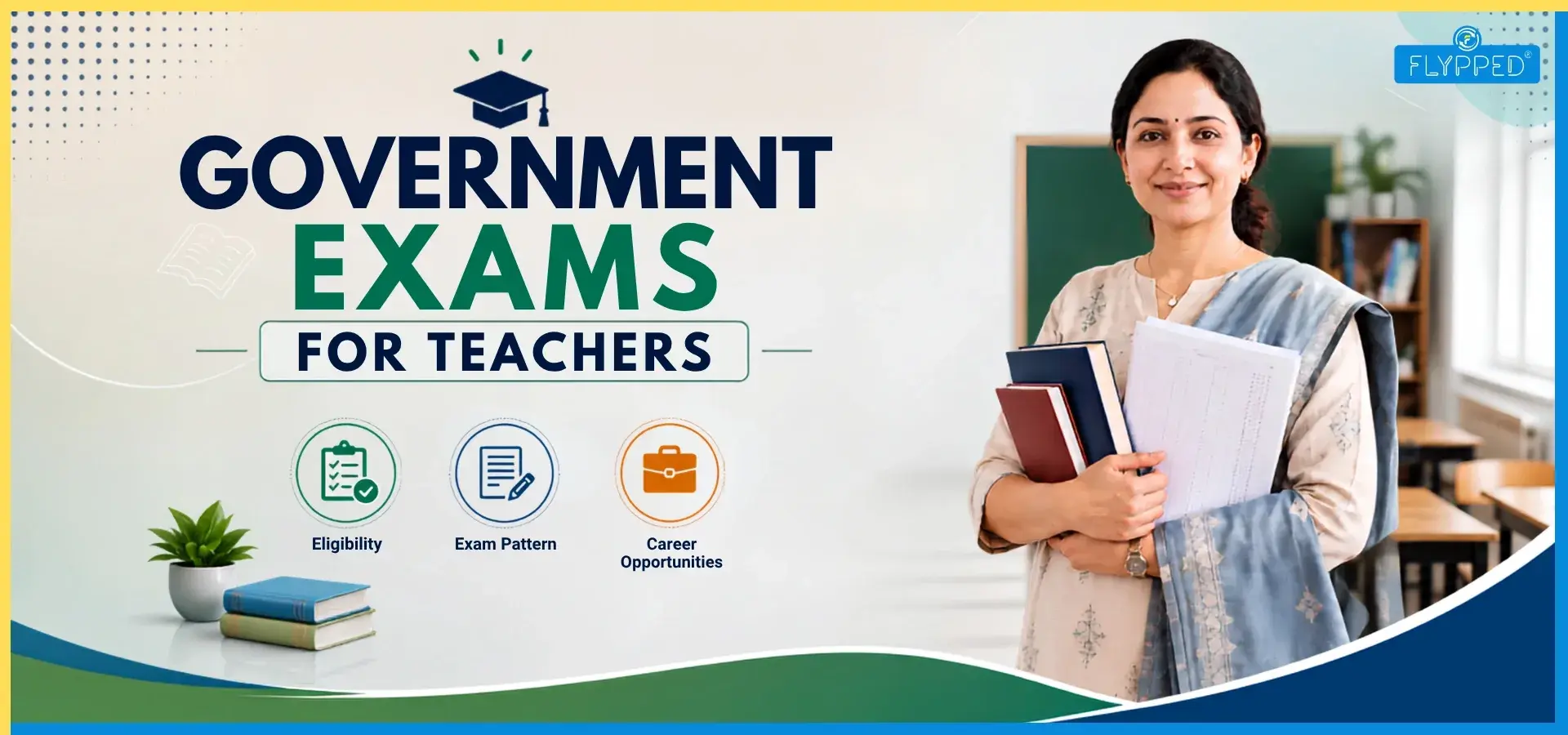
Government exams for teachers form the cornerstone for those looking to embark on a teaching career in India. Key among these are the Teacher Eligibility Test (TET), the Delhi Subordinate Services Selection Board (DSSSB) and the Kendriya Vidyalaya Sangathan (KVS) exams. These exams evaluate candidate’s competencies and ensure that only the most qualified individuals step into educational roles.
NOTE: Find education news, career advice, exam updates, study resources, and latest updates.
Teacher Eligibility Test (TET)
The TET serves as an essential milestone for individuals aspiring to obtain teaching jobs in government schools. It assesses both teaching abilities and subject matter expertise. Generally, the TET exam paper consists of multiple-choice questions that evaluate candidates on pedagogy, child development and specific subject content. Understanding the TET exam full form highlights its importance in teacher government exams.
TET Exam Paper Structure
The TET exam paper is designed to evaluate a candidate's teaching skills and subject expertise. This subject-wise distribution ensures that all areas are adequately assessed. Typically, the exam consists of two papers:
- Paper I, aimed at primary teachers
- Paper II, targeted at upper primary teachers.
The marking system generally awards one mark for each correct answer, with no negative marking for incorrect ones. Candidates usually have 2.5 hours to complete each paper, making effective time management essential during the exam.
Preparation Tips for TET
To succeed in the TET, candidates should take a strategic approach to their studies. Using effective study materials is crucial; recommended resources include NCERT textbooks, state board books and comprehensive guides specifically designed for the TET exam.
Practicing with sample papers and previous years' question papers can greatly enhance familiarity with the exam format and types of questions. It's wise to establish a study schedule that allocates dedicated time for each subject, ensuring a balanced preparation. Regular self-assessment through mock tests can help pinpoint areas that need further attention.
DSSSB Exam
The DSSSB exam is specifically designed to recruit teachers for government schools in Delhi. To prepare effectively, candidates must grasp the exam pattern and syllabus.
DSSSB Exam: Structure and Importance
The DSSSB exam holds significant value among government exams for teachers, specifically targeting the recruitment of educators for various schools in Delhi. This examination is designed to evaluate teaching abilities, subject expertise and the overall competency of candidates. Typically, it features multiple-choice questions across a range of subjects ensuring a well-rounded assessment of applicants.
The subjects included in the DSSSB exam encompass Child Development and Pedagogy, General Knowledge and specific disciplines relevant to the teaching position. Conducted multiple times throughout the year, this exam provides candidates with numerous chances to secure a teaching role. The regularity of the DSSSB exam underscores its importance and addresses the growing demand for qualified teachers in government schools.
KVS Exam
On the other hand, the KVS exam is crucial for those aiming to become PGT teachers in Kendriya Vidyalayas.
KVS Exam: Key Highlights
The KVS exam is pivotal for those aspiring to teach in Kendriya Vidyalayas, playing a crucial role in the recruitment of educators. Familiarity with the KVS exam pattern is essential. It comprises a written test followed by interviews for shortlisted candidates, assessing both theoretical understanding and practical teaching skills.
KVS significantly influences the educational framework in India, particularly for PGT teachers. By selecting qualified professionals, it has a direct impact on teaching jobs across the nation. The KVS exam ensures that only the most competent teachers are appointed, thereby upholding high educational standards in these esteemed institutions. This examination not only creates opportunities for candidates but also elevates the quality of education for students throughout India.
What is Government Exams for Teachers in India?
Government exams for teachers in India are standardized assessments aimed at evaluating the eligibility and competencies of individuals aspiring to join the teaching profession. These exams are crucial in ensuring that candidates possess the essential knowledge, skills and teaching aptitude necessary for a fruitful career in education. Successfully passing these exams opens doors to teaching positions in government schools, thus contributing significantly to the educational framework.
The importance of these assessments is immense. They matter for upholding educational standards and ensuring that only qualified individuals enter the teaching field. With a growing demand for skilled educators across various institutions, these government exams serve as a crucial stepping stone for candidates, enabling them to realize their ambition of becoming a government teacher.
Eligibility Requirements for TET, DSSSB, and KVS
If you're aiming for a career as a government teacher, it's essential to grasp the eligibility criteria for government exams for teachers. Each examination has distinct educational prerequisites. Typically, candidates need to hold a Bachelor's degree in Education (B.Ed) or a Diploma in Education (D.Ed) to qualify for the TET, DSSSB and KVS exams.
Age limits can vary, but candidates should fall between 18 and 35 years old. However, there are relaxation policies for various categories such as SC/ST and OBC candidates which can extend the upper age limit by several years. Understanding these guidelines is crucial for those gearing up for teaching jobs in government schools.
And having the necessary certifications is vital. For example, a B.Ed degree is often a requirement for many teaching positions, particularly for PGT teacher roles within KVS.
Common Misconceptions about Eligibility
There are numerous myths regarding eligibility for teacher government exams. One prevalent misconception is that simply holding a degree is enough to qualify. In truth, candidates must fulfill all defined criteria including passing the relevant eligibility tests.
It's equally important to know the TET exam full form, Teacher Eligibility Test. This exam isn't merely a formality; it plays a critical role in ensuring that only qualified individuals enter the teaching profession. Being aware of these factors helps candidates steer clear of common pitfalls and prepares them for the demanding selection process tied to the exam for government teacher roles.
Preparation Tips for Government Exams for Teachers
To succeed in government exams for teachers, candidates should take a strategic approach to their studies. Using effective study materials is crucial; recommended resources include NCERT textbooks, state board books and comprehensive guides specifically designed for the TET, DSSSB and KVS exams.
Practicing with sample papers and previous years question papers can greatly enhance familiarity with the exam format and types of questions. It's wise to establish a study schedule that allocates dedicated time for each subject, ensuring a balanced preparation. Regular self-assessment through mock tests can help pinpoint areas that need further attention.
Incorporate NCERT books, state board resources and specialized online platforms like Unacademy and Coursera. Consider enrolling in coaching centres that focus on teacher entrance exams or choose online classes for flexibility. Make it a habit to take mock tests regularly to mimic the exam setting and enhance speed and accuracy.
By adhering to these strategies and leveraging the right resources, candidates can effectively prepare for the government exams for teachers and boost their chances of success.
Comparison Table: TET, DSSSB and KVS Exams
Understanding the differences between the various government exams for teachers is crucial for charting your teaching career. The table below highlights the key features of the TET, DSSSB and KVS exams, helping aspiring educators make informed decisions.
| Feature | TET | DSSSB | KVS |
| Exam Frequency | Twice a year | Annually | Annually |
| Duration | 150 minutes | 2 hours | 2 hours |
| Total Questions | 150 | 200 | 200 |
| Minimum Qualifying Marks | 60% | 40% | 50% |
This comparison provides a clear view of what each exam entails, guiding you in your preparation for a successful teaching career.
Conclusion
Becoming a government teacher in India is a journey filled with both challenges and opportunities. To succeed, it's crucial to grasp the details of government exams for teachers like the TET, DSSSB and KVS. Aspiring educators need to arm themselves with the right knowledge, resources and preparation strategies to navigate these competitive exams effectively.
Preparing for government exams for teachers demands commitment and a well-thought-out plan. Staying informed about exam patterns, changes in syllabus and eligibility criteria is essential. With the right mindset, candidates can significantly improve their chances of landing teaching jobs in various government institutions throughout the country.
Read More:
- Famous Indian Authors
- Psychology Courses After 12th
- Career Counselling After 12th
- APAAR ID: What is It, How Is It Relevant For Students
- Pilot Course After 12th: Training, Fees & Career Salary
- How to Prepare for CAT Exam Strategy for High Score
- 10 Time Management Tips for Students: Study Smarter, Not Harder
- Bio Data Format for Job
- Top Courses That Offer Immediate Jobs for Rapid Success
Frequently Asked Questions
Find answers to common questions about this topic
The full form of TET is Teacher Eligibility Test.
Candidates generally need a B.Ed. or D.Ed. and must adhere to the age limits set by the examination boards.
Focus on studying recommended books, practicing previous question papers and consider joining coaching classes if necessary.
Yes, the KVS exam occurs annually for recruitment in Kendriya Vidyalayas throughout India.
Successful candidates can secure teaching positions in government schools at the primary, secondary and higher secondary levels.