
How to Check Colour Blindness: Know the Symptoms, Types and Causes
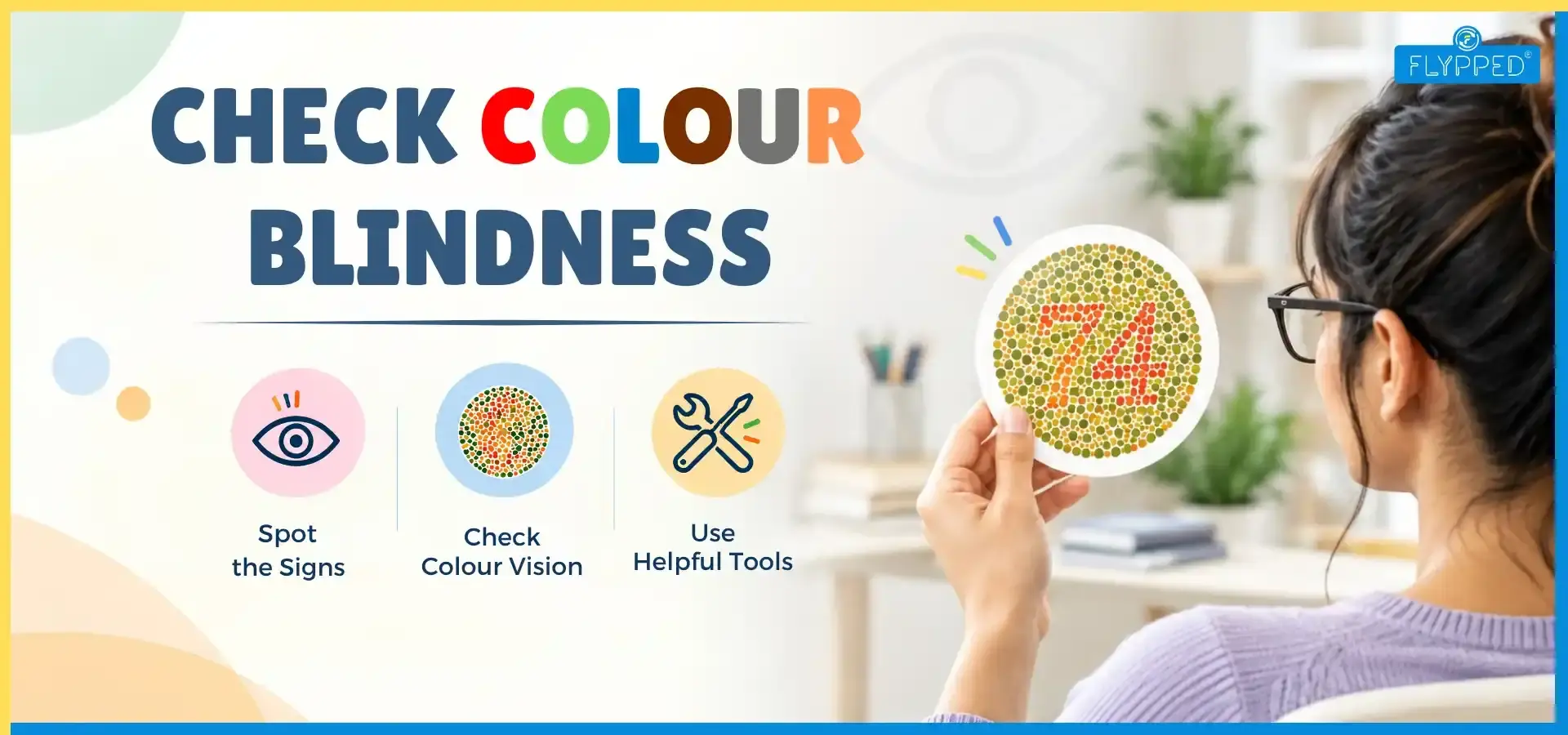
Millions live with colour blindness without realizing it. This condition affects how individuals perceive colours, influencing their daily lives, including driving, career choices, and even simple tasks. It's crucial to understand colour blindness and its implications. Fortunately, there is a quick way to check colour blindness, which can lead to better management and adjustments in daily routines.
What is Colour Blindness?
Colour blindness, often referred to as colour vision deficiency, is a condition that makes it tough for individuals to differentiate between certain colours. This happens due to issues with the cone cells in the retina, which are crucial for colour perception. Typically, we see colours thanks to three types of cones that respond to different light wavelengths: red, green, and blue. When one or more of these cones aren’t working properly, it can lead to confusion when identifying colours. Knowing what colour blindness is can empower you to check colour blindness effectively and take necessary actions if required.
NOTE: Explore health and fitness news, workout guides, nutrition advice, and more from our latest updates.
Common Misconceptions
A common misconception is that colour blindness means "seeing in black and white." In reality, individuals with colour blindness often perceive colours but struggle to differentiate between specific ones.
Color blindness is notably more common in males, affecting around 8% of men compared to just about 0.5% of women. This difference arises from X-linked recessive inheritance, meaning the gene linked to this condition is found on the X chromosome.
This leads to a common misconception that colour blindness is predominantly a male issue. The fact is that while it is significantly more common in men, women can also be affected, albeit at much lower rates.
In contrast, a woman would need to inherit two affected X chromosomes to express the condition, which is less likely.
Demographic factors also influence the occurrence of colour blindness. For example, certain populations, particularly those of Northern European descent, show higher rates of this condition.
Colour Blindness Disease: Is It a Disorder or a Disease?
Colour blindness is primarily a genetic condition, though it can also be acquired later in life due to various factors. Inherited colour blindness is often present from birth, while acquired colour blindness may develop due to injury, aging, or medication. The eye's cone cells are involved in both types, affecting colour perception.
Causes of Colour Blindness
Colour blindness can arise from various causes, including:
- Genetic factors, particularly X-linked recessive inheritance.
- Medication side effects and chemical exposure that affect vision.
- Damage to the brain or optic nerve, which can impair colour perception.
Understanding these causes can help individuals recognize their risk and highlight the importance of checking colour blindness.
Types of Color Blindness
There are several forms of colour blindness, each impacting colour perception in unique ways:
- Red Green Colour Blindness: This is the most prevalent type, affecting a large number of individuals. Those with this condition may find it difficult to tell apart red and green shades. It can appear as either protanopia (trouble seeing reds) or deuteranopia (difficulty with greens).
- Blue-Yellow Colour Blindness: This rarer form affects the ability to distinguish between blue and yellow colours. Individuals might confuse blue with green and yellow with violet, which can complicate their understanding of specific shades
- Complete Colour Blindness (Achromatopsia): This uncommon condition leads to an inability to perceive any colour whatsoever. People with achromatopsia see everything in shades of grey, making it hard to identify objects based on colour.
Recognizing these types can aid in spotting symptoms related to colour blindness and highlight the importance of regular eye examinations for effective management.
Symptoms of Colour Blind Individuals
- Spotting the signs of colour blindness is the first step towards addressing this condition. Many people experience difficulty distinguishing between certain colours, particularly reds and greens.
- You might find yourself confusing similar shades or having trouble identifying colours in bright light. Additionally, interpreting colour-coded information like traffic lights or charts can be a challenge for some.
- The effects of colour blindness on everyday life can be considerable. It may influence your clothing choices, understanding art, or even carrying out specific jobs that rely on accurate colour perception.
- For children, school assignments that depend on colour differentiation can lead to frustration and diminish confidence.
How to Check Colour Blindness at Home
If you think you or someone you care about may have a colour vision deficiency, there are straightforward tests available.
The Ishihara test is a popular option, where individuals view a series of coloured plates featuring numbers or shapes. If identifying the characters on these plates proves difficult, it could suggest colour blindness.
The 100 Hue test or Colour Hue Test is a specialized visual assessment tool used to measure a person’s ability to distinguish subtle differences in colour hue.
For a more thorough assessment, consider consulting an eye care professional. They can perform advanced tests to identify the specific type and severity of colour blindness. Early detection is vital as it paves the way for better management strategies and adjustments in daily routines. Taking this proactive step can greatly improve one’s quality of life, making it easier to navigate a colourful world.
Understanding the symptoms and knowing how to check colour blindness can empower you or your loved ones to seek support and make necessary changes.
Living With Colour Blindness: Tips & Management
Living with colour blindness can bring its own set of challenges, and these can differ greatly from one person to another. Many individuals share their experiences navigating a world where colour is so important.
For example, a young student might recall feeling frustrated and embarrassed when they struggled to tell the difference between red and green during a traffic light exercise. Others might discuss the awkwardness of selecting clothes that clash due to their inability to see certain shades accurately.
To tackle these everyday challenges, many colour blind individuals rely on creativity and resourcefulness. They often develop coping strategies, like using textures or patterns instead of colours to inform their choices.
In the workplace, they might lean on colour-coded charts that come with labels to assist in interpreting information correctly. These experiences underscore the need for greater awareness and understanding of colour blindness, encouraging people to check colour blindness regularly if they feel they might have any deficiencies.
Assistive Tools and Adjustments
There are various assistive tools available for those living with colour blindness, including colour-correcting glasses and mobile applications that help identify colours.
Workplace and lifestyle adjustments, such as using labels and descriptive terms for colours, can also enhance day-to-day experiences. While there is currently no cure for colour blindness, these tools can significantly improve quality of life.
The Ishihara test is a popular option, where individuals view a series of coloured plates featuring numbers or shapes. If identifying the characters on these plates proves difficult, it could suggest colour blindness.
The 100 Hue test or Colour Hue Test is a specialized visual assessment tool used to measure a person’s ability to distinguish subtle differences in colour hue.
Conclusion
Understanding colour blindness is vital for early detection and effective management. By learning how to check colour blindness, individuals can take proactive steps to navigate their surroundings with greater ease. Being aware of the symptoms and different types of colour blindness can significantly enhance one's quality of life, enabling necessary adjustments in both personal and professional environments.
Simple tests or professional assessments are available to determine colour vision status. For parents, keeping an eye out for signs in their children is essential, as early detection can lead to strategies that help mitigate challenges. For example, adapting teaching methods in classrooms can support colour blind students, allowing them to thrive alongside their peers.
In a world bursting with vibrant colours, knowing how to check colour blindness empowers individuals to fully embrace their experiences. Whether it’s through utilizing technology designed for those with colour vision deficiencies or simply being aware of personal limitations, taking the initiative can lead to meaningful changes. If you suspect you or someone close to you may have colour blindness, don’t wait — check colour blindness today and pave the way for a brighter, more informed future.
Read More:
Frequently Asked Questions
Find answers to common questions about this topic
You can take online tests like the Ishihara test for a quick assessment.
Red-green colour blindness is significantly more common in men, affecting about 8% compared to 0.5% of women.
Currently, there is no cure for colour blindness, but assistive tools can help individuals manage the condition.
Children should be tested for colour blindness as early as school age to identify any challenges they may face.