Endometriosis Ovarian Cyst: Symptoms, Pain Signs and Treatment
When lower abdominal pain strikes, it’s easy to dismiss it as just another round of menstrual cramps. Yet, conditions like endometriosis and ovarian cysts can produce similar discomfort, often leading to confusion. It's important to know that lower abdominal pain might not be just a sign of your period. Many women report issues like painful urination, irregular periods and pain during ovulation which can all easily be mistaken for standard menstrual discomfort.
The reality is that the symptoms of endometriosis can differ greatly from person to person, making it tough to diagnose. While some women might only have sporadic cramps, others deal with chronic pelvic pain or intense discomfort that doesn't fade away even when they’re not on their period.
The World Health Organization estimates that around 1 in 10 women of reproductive age has endometriosis and studies commonly report an average delay of seven to ten years before diagnosis. Recognizing the signs early can help you get the right care sooner and may reduce the risk of complications.
What is Endometriosis and Its Symptoms?
Endometriosis is a condition where tissue similar to the uterine lining grows outside the uterus. This abnormal tissue can develop on the ovaries, fallopian tubes or other pelvic areas. In severe cases, it may extend beyond the reproductive organs. The growth of this tissue can lead to inflammation, pain and scar tissue formation impacting the overall function of the reproductive system.
Despite being quite common, endometriosis is often misunderstood. Many think it only causes intense menstrual cramps but the reality is that symptoms can appear at any point during the menstrual cycle, making it hard for individuals to fully grasp their condition and seek appropriate treatment.
Distinguishing between typical menstrual cramps and the symptoms of endometriosis or ovarian cysts can encourage patients to seek the right endometriosis medication or treatment. Don't brush off persistent pain, consulting a healthcare provider is crucial to uncovering the underlying issues.
6 Symptoms of Endometriosis
Symptoms of endometriosis can differ greatly from person to person, making diagnosis tricky. Here are some of the common symptoms you might encounter:
- Chronic pelvic pain: This is often the most debilitating symptom with pain levels varying widely. Some may feel mild discomfort while others experience severe pain that disrupts daily activities.
- Painful urination: This symptom can occur cyclically, around menstruation, when the bladder is involved. Some women may notice discomfort or pain when urinating, which can sometimes be mistaken for a urinary tract infection.
- Pain during ovulation: Many women with endometriosis report sharp pain during ovulation, which can be intense and last hours to a day or two.
- Painful Bowel Movements: Endometriosis disrupts the digestive channels, turns out to be one of the undermined symptoms of endometriosis. Implication differs from person to person.
- Painful Periods (dysmenorrhea): It's vital to understand that the symptoms of endometriosis can often mimic typical menstrual cramps. For instance, many women have painful periods, which might lead them to overlook other symptoms as just part of their menstrual cycle. This misunderstanding can delay diagnosis and treatment. Also, in some cases, heavy bleeding could also be one of the significant symptom.
- Fatigue: basically feeling low energy levels interlinked with emotional quotient of the person can also be affected depending on the severity of the condition.
Recognizing the difference between regular period pain and the signs of endometriosis is key. If you find that your discomfort is persistent or severe or if you face symptoms like painful urination or pain during ovulation, it's important to consult a healthcare provider.
Understanding these symptoms can empower you to take charge of your health. Don’t hesitate to seek medical advice if your pain feels different from what you’ve experienced previously. Addressing these concerns early can greatly enhance your quality of life and overall reproductive health.
Ovarian Cysts: A Closer Look
Lower abdominal pain can be a sign of various underlying conditions, making it important to understand ovarian cysts in this context. Ovarian cysts are fluid-filled sacs that develop on the ovaries and can cause discomfort and other health issues. They generally fall into two main categories naming functional cysts and pathological cysts, each with distinct characteristics and symptoms.
Functional Cysts vs. Pathological Cysts
Functional cysts are the most common type, typically forming during the menstrual cycle. This category includes follicular cysts which occur when the follicle fails to rupture and corpus luteum cysts, which develop if the corpus luteum doesn’t dissolve. Generally, functional cysts are benign and often resolve on their own without treatment.
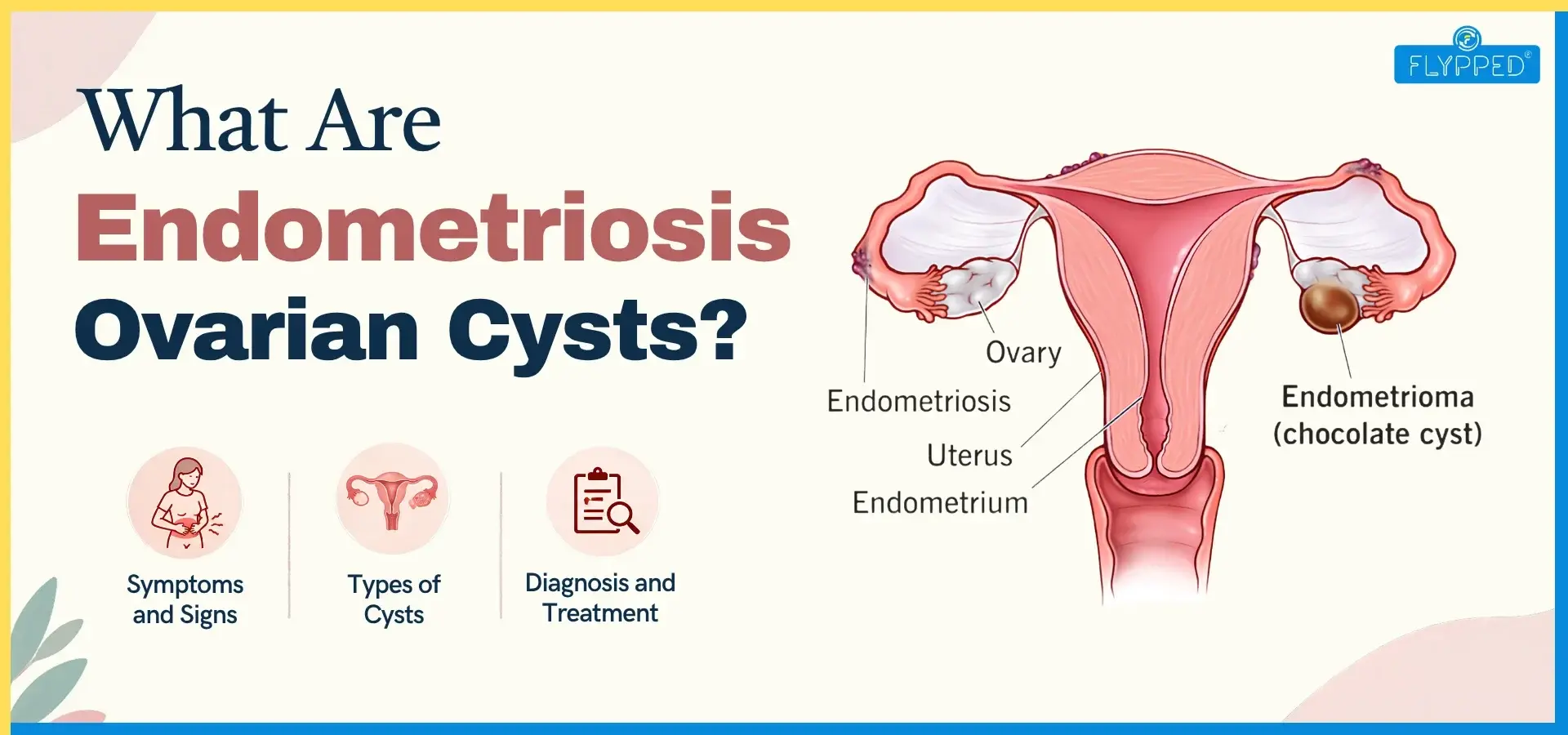
| Pathological cysts arise from abnormal cell growth and may need medical intervention. These include dermoid cysts which contain various tissue types and endometriomas or chocolate cysts, linked with endometriosis. Chocolate cysts are filled with old blood and can cause significant pain and complications.
|
Explanation of Chocolate Cysts (Endometriomas)
Chocolate cysts are a specific type of ovarian cyst formed when endometrial tissue grows on the ovaries. These cysts can be particularly painful and are often associated with severe symptoms of endometriosis. The term "chocolate cyst" comes from the dark brownish fluid that fills them, resembling chocolate syrup. They can lead to chronic lower abdominal pain, painful urination and complications with fertility, making them a significant concern for women experiencing these symptoms.
| Cyst Type | Description | Symptoms |
| Functional Cysts | Develop during the menstrual cycle | Usually asymptomatic; may cause mild discomfort or pressure |
| Dermoid Cysts | Contain various tissue types | Can be painless; may cause discomfort if large |
| Endometriomas | Displaced endometrial-like tissue | Severe pelvic pain, painful urination, infertility |
Importance of Differentiating Between Cyst Types
Differentiating between cyst types is crucial as treatment and management strategies can vary significantly. Functional cysts usually require little to no intervention while pathological cysts, especially chocolate cysts may necessitate surgical removal or endometriosis medication to alleviate symptoms and prevent further complications.
Understanding the type of cyst present can lead to more tailored and effective treatment options, improving overall health outcomes. If you suspect you have an ovarian cyst or experience persistent lower abdominal pain, seeking a healthcare provider's advice is essential for an accurate diagnosis and appropriate management.
When to Seek Medical Attention
Get emergency care immediately if you have:
- Sudden severe pain in the lower abdomen, especially on one side: This can signal a ruptured cyst or ovarian torsion (a twisted ovary) which needs urgent treatment.
- Abdominal pain with fever or persistent vomiting: These can indicate infection or a serious complication.
- Fainting or dizziness with abdominal pain: These may signal significant internal bleeding.
Book an appointment with your doctor soon if you have:
- Period pain that is severe, worsening or not relieved by over-the-counter painkillers
- Persistent pelvic pain outside your period
- Pain during sex or painful bowel movements
- Heavy bleeding during your period or between periods
- Difficulty conceiving after 12 months of trying (or six months if you are over 35)
Endometriomas are a common form of endometriosis occurring in a significant minority of women who have the condition. Spotting symptoms early allows timely treatment and may lower the risk of complications.
Treatment Options for Endometriosis and Ovarian Cysts
There is no cure for endometriosis but symptoms can be managed. Treatment ranges from pain relief and hormonal therapy to surgery and the right choice depends on your symptoms, age, cyst size and fertility plans. Discuss the options with your healthcare provider.
Pain relief
- NSAIDs: Non-steroidal anti-inflammatory drugs can ease pain but do not treat the underlying condition.
Hormonal treatment
Hormonal treatments aim to reduce or stop periods and slow the growth of endometriosis tissue. They suppress the condition rather than remove it, so symptoms may return when treatment stops. Options include:
- Combined birth control pills: Helps to regulate or stop periods and reduce pain.
- Progestins: Like Dienogest is generally taken as tablets, an injection or an implant.
- Hormonal IUD: Releases progestin locally and can reduce bleeding and pain.
- GnRH agonists and antagonists: Create a temporary menopause-like state that shrinks endometriosis tissue. They are generally used for a limited time because of the risk of bone-density loss often with add-back hormone therapy.
Surgery
Surgery may be suggested when medication doesn’t help, when symptoms are severe or when a cyst is large or affects fertility. Options include:
- Laparoscopy: A minimally invasive procedure to remove or destroy endometriosis tissue and to remove endometriomas. Cyst surgery can reduce ovarian reserve, so discuss this with your surgeon if you want to have children.
- Laparotomy: Open surgery, reserved for extensive disease or very large cysts.
- Hysterectomy: Removal of the uterus, sometimes with the ovaries, may be considered in severe cases when fertility is no longer a concern. It doesn’t guarantee a cure unless all endometriosis tissue is also removed.
Taking Action
If you’re experiencing signs that could suggest an endometriosis ovarian cyst, don’t hesitate to contact your healthcare provider. They can explore possible treatment options which may range from hormonal therapies to surgical interventions, depending on the severity of your condition.
Taking charge of your health begins with understanding your body and recognizing when something feels off. Remember, effective treatment is available and being aware of your symptoms is the first step toward better health.
Conclusion
Understanding the difference between menstrual cramps and more serious conditions like endometriosis and ovarian cysts is essential for effective treatment. Many women tend to brush off their lower abdominal pain as just another part of their menstrual cycle. However, it's crucial to recognise when that discomfort might indicate something more serious, such as an endometriosis ovarian cyst. These cysts, particularly chocolate cysts can cause chronic pain, infertility and other significant complications if not addressed.
If you find yourself dealing with severe lower abdominal pain that doesn't improve with over-the-counter medications or if you experience additional symptoms like heavy bleeding, painful urination or pain during ovulation, it’s wise to consult a healthcare professional. They can carry out necessary evaluations, including imaging tests such as ultrasound or MRI to make an accurate diagnosis.
Many women suffer for years before receiving the right diagnosis which can exacerbate symptoms and lead to further complications. Being aware of the symptoms of endometriosis including chronic pelvic pain, discomfort during intercourse and irregular menstrual cycles can empower women to seek assistance sooner.
Frequently Asked Questions
Find answers to common questions about this topic
Endometriosis involves the growth of tissue outside the uterus while ovarian cysts are fluid-filled sacs that form on the ovaries.
Yes, many women with endometriosis experience heightened pain during ovulation as a result of the condition.
If the pain is severe, lasts for a long time or occurs alongside other symptoms like heavy bleeding or painful urination then it’s important to seek medical advice.
A chocolate cyst or endometriomas is a type of ovarian cyst that contains old blood and may lead to pain and fertility challenges.
Treatment options include medication for pain relief, hormonal therapy and surgical interventions for more severe cases.