What is Metastatic Cancer? How It Spreads, Symptoms and Treatment
Cancer becomes far more dangerous once it starts to spread, transforming from a localized issue to a more complex and life-threatening condition. Understanding what metastatic cancer is crucial for anyone facing a cancer diagnosis.
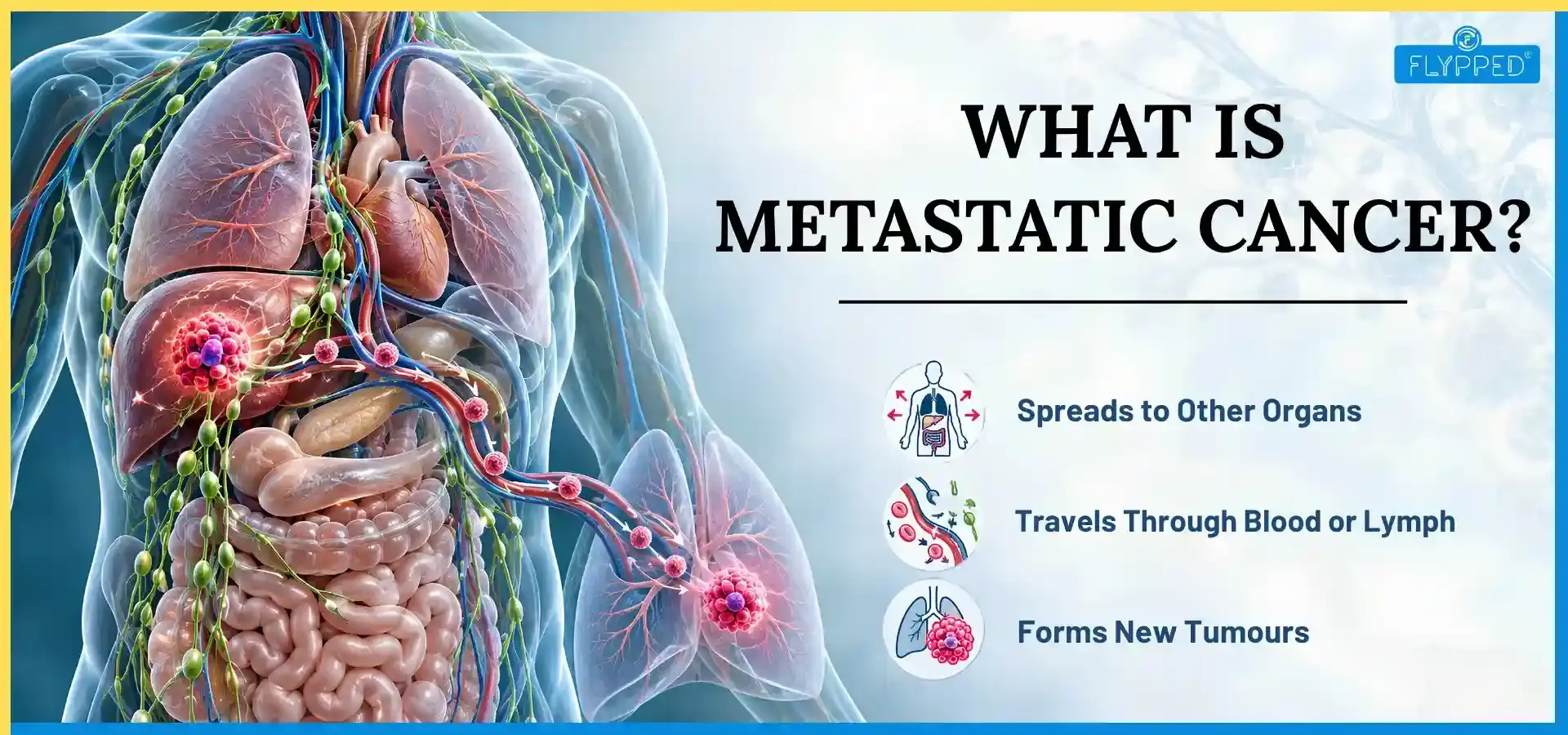
Metastatic cancer describes a stage where the illness spreads from its original location to other areas of the body. This spreading process, known as metastasis, happens when cancer cells detach from the primary tumor. They then travel through the bloodstream or lymphatic system, forming new tumours in various organs. It's essential to grasp this condition, as it can greatly affect treatment options and patient outcomes.
When someone is diagnosed, they might experience a range of metastatic cancer symptoms. These can include sudden weight loss, ongoing pain or overwhelming fatigue. There are different types of metastatic cancer, with some of the most common being metastatic breast cancer and metastatic prostate cancer. Each type has unique characteristics and treatment approaches, which is why early detection and intervention are so crucial.
NOTE: Explore health and fitness news, workout guides, nutrition advice, and more from our latest updates.
In this blog, we will explore the definition of metastatic cancer, how it spreads in the body, its symptoms, types such as metastatic breast cancer and metastatic prostate cancer, and the available treatment options.
What is Metastatic Cancer?
"Metastasis" meaning is the process through which cancer spreads beyond its initial site. This process involves several stages, starting with cancer cells invading nearby tissues. These cells can then enter the bloodstream or lymphatic system, paving the way to other parts of the body.
Metastatic cancer is when cancer spreads from its original location to other areas of the body. This occurs when cancer cells break away from the primary tumour, travelling through the bloodstream or lymphatic system to form new tumours in distant organs. It’s important to grasp what metastatic cancer is to understand how the disease develops and influences treatment options.
Unlike localized or primary cancer, which starts in one specific location, metastatic cancer is referred to as "Stage 4" because it indicates that cancer has advanced beyond its original site.
For instance, if breast cancer spreads to the liver, it is still termed metastatic breast cancer, not liver cancer. This distinction plays a vital role in determining effective treatment strategies based on the type of the original cancer.
Once in the bloodstream, they can circulate and eventually settle in distant organs, where they may grow and form new tumours. This journey is complex and involves various biological processes, including the cancer cells’ ability to evade the immune system and adapt to new environments.
The biological process of metastasis typically unfolds in the following stages:
- Local invasion: Cancer cells invade nearby normal tissues.
- Intravasation: Cancer cells enter blood vessels or lymphatics.
- Circulation: Cells travel through the bloodstream or lymphatic system.
- Extravasation: Cells exit the bloodstream and invade distant tissues.
- Colonization: Cells grow and form new tumours in the new location.
Understanding the meaning of metastasis is essential for both patients and healthcare providers, as it influences treatment choices and prognosis.
Each type of metastatic cancer, such as metastatic breast cancer or metastatic prostate cancer, comes with its own set of challenges and symptoms. Patients may experience various metastatic cancer symptoms, including unexplained weight loss, persistent pain, or fatigue. Recognizing these signs early can lead to timely intervention and better outcomes.
This knowledge empowers individuals to pursue suitable treatment for metastatic cancer, which may include a mix of surgery, chemotherapy, radiation and targeted therapies, tailored to their specific needs. Being aware of the biological processes and implications of metastasis can significantly enhance a patient's understanding and involvement in their treatment journey.
Symptoms of Metastatic Cancer
Recognizing the signs of metastatic cancer is key for early detection and effective treatment. Patients might experience a range of general symptoms, regardless of their cancer type. Look out for unexplained weight loss, persistent pain, fatigue, and changes in appetite. Specific forms, like metastatic breast cancer and metastatic prostate cancer, come with unique symptoms that can aid in early identification.
For example, individuals with metastatic breast cancer may notice alterations in breast shape, firmness, or skin texture. In contrast, those with metastatic prostate cancer could face urinary difficulties, such as trouble urinating or blood in their urine. Being vigilant about these signs can make a significant difference in seeking timely medical advice.
Here are some common symptoms to monitor:
- Unexplained weight loss
- Persistent pain
- Changes in appetite
- Fatigue
- Skin changes
Metastatic cancer often spreads to the liver, which is a typical site for many cancers to migrate. When cancer cells invade the liver, they can disrupt its normal function, leading to various symptoms that may significantly affect overall health.
Symptoms linked to metastatic cancer in the liver might include jaundice (a yellowing of the skin and eyes), abdominal swelling or pain, and unexplained nausea. These signs often suggest that the liver is not functioning correctly due to the presence of cancer cells. Early detection is crucial, as it can result in more effective treatment options and improved outcomes.
Monitoring liver health is particularly important for individuals diagnosed with cancers known to have a higher likelihood of metastasizing to the liver, such as colorectal, lung, and breast cancers. Regular check-ups and imaging tests can help catch any issues before they worsen.
Awareness of metastatic cancer symptoms is essential for ensuring prompt medical attention and enhancing treatment outcomes. Understanding how cancer spreads, especially to the liver, highlights the importance of keeping an eye on one’s health and seeking help when unusual symptoms arise.
Treatment for Metastatic Cancer
Treating metastatic cancer involves a range of options, each designed to meet the unique needs of the patient. Here are some common treatment modalities:
- Chemotherapy: This systemic treatment targets cancer cells throughout the body. While it can be effective in fighting cancer, patients often experience notable side effects, such as nausea, fatigue, and hair loss.
- Radiation Therapy: This method uses high-energy rays to pinpoint and destroy cancer cells. It's typically localized, making it beneficial for tumours in specific areas, but patients may need multiple sessions for optimal results.
- Targeted Therapy: Focused on specific genetic changes in cancer cells, this treatment is particularly useful for conditions like metastatic breast cancer. It targets particular markers and pathways, often resulting in fewer side effects compared to traditional chemotherapy.
- Immunotherapy: By leveraging the body’s immune system, immunotherapy enhances its ability to fight cancer. While it's promising, not all patients respond effectively, making careful selection crucial.
Choosing the right treatment involves a personalized plan that considers the cancer type, how far it has spread, and the patient's overall health. Working closely with healthcare professionals helps ensure that patients receive the most appropriate options for their individual situations.
Managing the financial aspects of metastatic cancer treatment can be challenging. In India, treatment costs can vary significantly based on the type of care, healthcare facility, and specific needs of the patient. On average, chemotherapy can cost between ₹10,000 to ₹1,00,000 per cycle, depending on the medication and the hospital.
Patients should also anticipate additional expenses such as hospital stays, supportive care and follow-up treatments. This financial strain can be overwhelming, but various resources are available to help. Numerous NGOs and government initiatives provide financial assistance to patients and families facing treatment costs.
Comparison of Treatment Approaches
| Treatment Type | Advantages | Disadvantages |
| Chemotherapy | Systematic treatment for multiple sites | Side effects can be significant |
| Radiation Therapy | Targeted approach | May require multiple sessions |
| Targeted Therapy | Focused on specific cancer types | Requires genetic testing |
| Immunotherapy | Harness the immune system | Not effective for all patients |
Understanding these treatment options and their implications can empower patients in their decision-making process. Being informed about available treatments allows individuals to engage more actively with their healthcare teams, helping them choose the best path forward in their battle against metastatic cancer.
Conclusion
Grasping what metastatic cancer is and being aware of its symptoms are vital for early detection and treatment. Metastatic cancer arises when cancer cells migrate from the original tumour to other areas of the body, creating more complex treatment challenges. Recognizing signs such as unexplained weight loss, ongoing pain, and fatigue empowers patients to seek timely medical advice. This proactive approach can be life-saving, as early diagnosis often results in better treatment outcomes.
Taking control of your health means understanding not just the medical elements but also the emotional and financial aspects of cancer care. Regular check-ups and open dialogue with healthcare providers can greatly enrich your treatment journey.
Read More:
Frequently Asked Questions
Find answers to common questions about this topic
When cancer spreads, it creates new tumours in different organs, which can lead to more serious health issues.
Early symptoms may include unexplained weight loss, ongoing pain, and unusual tiredness. Regular check-ups are crucial for early detection.
Metastatic breast cancer refers specifically to breast cancer that has spread to other areas of the body, necessitating different treatment options compared to localized breast cancer.
Although metastatic cancer is typically viewed as incurable, treatments can help manage symptoms and enhance quality of life.
Genetic factors can affect an individual’s risk for developing certain cancer types and influence how the disease responds to treatment.