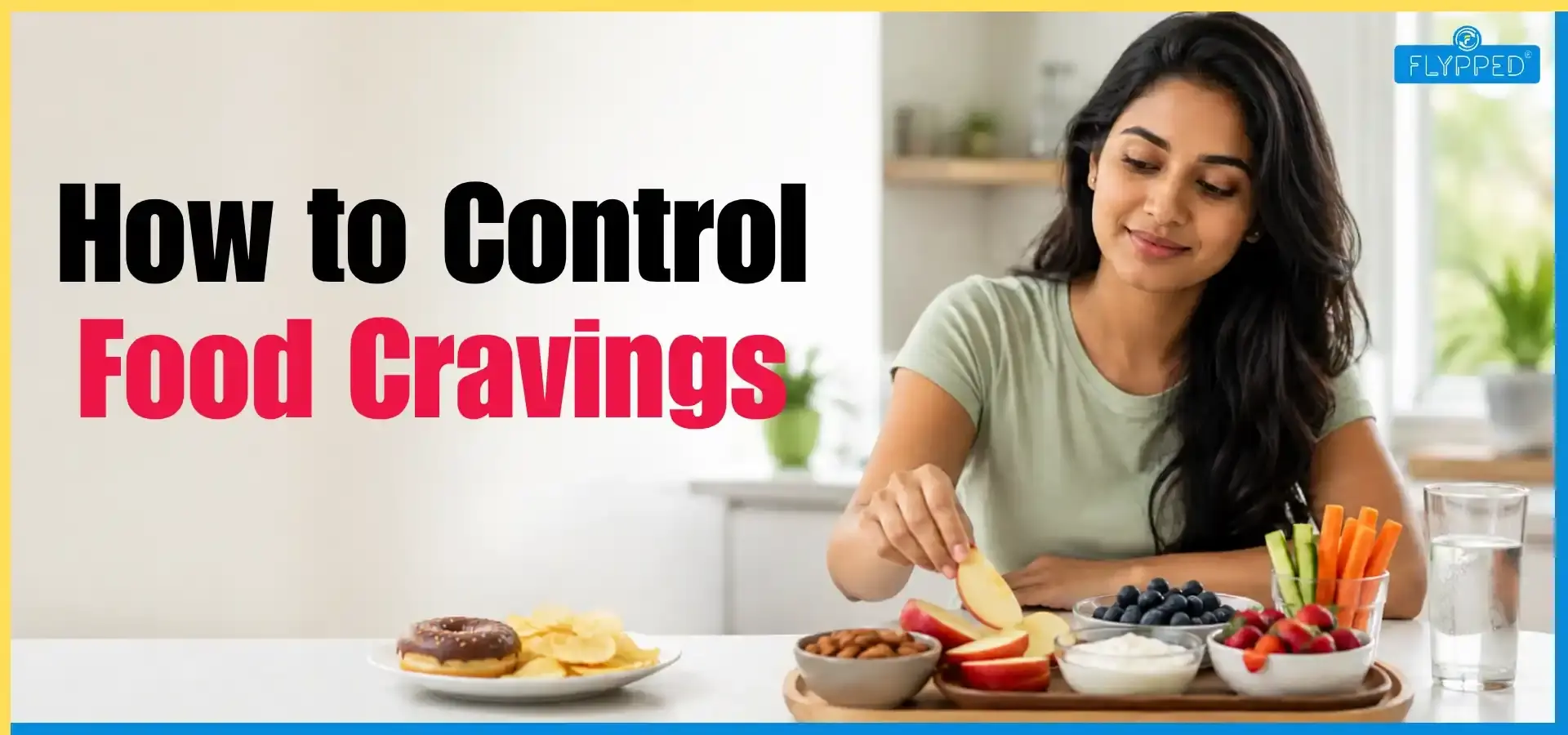
How to Control Food Cravings: Simple Tips to Stop Unhealthy Cravings
Food cravings aren’t a moral failing but a biological and psychological signal. If you’ve ever stared into the fridge at 10 p.m. bargaining with yourself over ice cream, you’re not alone. Learning how to control food cravings isn't about gritting your teeth and knuckling your way past temptation. It's about understanding why cravings happen in the first place and then making a few sustainable changes that work with your biology instead of against it.
NOTE: Discover fashion trends, beauty tips, wellness advice, lifestyle guides, and latest updates.
This blog walks through the real causes of food cravings, the foods that actually help curb them and practical strategies you can start using today, whether you're dealing with late-night snack attacks, pregnancy food cravings or that predictable pull toward sweets before your period.
What's Actually Happening When You Crave Food
Before you can manage a craving, it helps to know where it's coming from. The causes of food cravings are rarely as simple as "I have no self-control." Several researches points to a blend of physiological, hormonal and psychological triggers.
- Blood Sugar Swings: When you eat a meal heavy in refined carbs, your blood sugar spikes and then crashes a couple of hours later. That crash sends a strong signal to your brain to seek out quick energy, usually in the form of sugar or starch. This is one of the most common and most fixable causes of food cravings.
- Sleep Deprivation: Poor sleep disrupts the hormones ghrelin and leptin (which regulate hunger and fullness). If ghrelin rises and leptin falls then it results in increased appetite the next day, often specifically for high-calorie, high-carb foods.
- Stress and Cortisol: Chronic stress elevates cortisol, a hormone that has been linked to increased appetite and a preference for calorie-dense food. This is why craving unhealthy food often intensifies during stressful weeks at work or emotionally difficult periods.
- Hormonal Fluctuations: Many people experience menstrual cravings in the days leading up to their period, largely due to shifts in estrogen and progesterone that affect serotonin levels and mood. Similarly, pregnancy food cravings are extremely common driven by hormonal changes, nutrient demands and even a heightened sense of smell and taste during pregnancy.
- Dehydration: Thirst is frequently misread by the brain as hunger. A simple glass of water can sometimes resolve what felt like an urgent craving.
- Habit and Emotion: Sometimes cravings aren't physical at all. Eating while watching TV, reaching for snacks when bored or associating certain foods with comfort are learned behavioral patterns that trigger cravings independent of actual hunger.
Understanding which of these is driving your craving is the first real step toward managing it.
Why High Fiber and Protein Foods Matter So Much
If there's one nutritional principle that comes up again and again in appetite research, it's that high fiber and protein foods are among the most effective appetite control foods available.
Protein slows gastric emptying, meaning food stays in your stomach longer which helps you feel full. It also has a stronger effect on satiety hormones like peptide YY and GLP-1 compared to fats or carbohydrates. Practically, this means a breakfast built around eggs, Greek yogurt or a protein smoothie will keep you fuller for longer than a bowl of sugary cereal.
Fiber works differently but toward the same goal. Soluble fiber found in foods like oats, beans and lentils, forms a gel-like substance in the gut that slows digestion and promotes a steady release of energy. This helps prevent the blood sugar crashes that so often trigger cravings in the first place. High-fiber foods also feed beneficial gut bacteria and emerging research suggests gut health itself may play a role in regulating appetite and cravings through the gut-brain axis.
Foods to Curb Cravings, By Type of Craving
Not all cravings are created equal, and matching the craving to a smarter food swap makes it far easier to stick with.
| Craving something sweet? | Reach for berries, a piece of dark chocolate (70% cacao or higher), or a small portion of dried fruit with nuts. The natural sugars combined with fiber and fat slow absorption and satisfy the sweet urge without the blood sugar spike of candy or pastries. |
| Craving something salty or crunchy? | Roasted chickpeas, air-popped popcorn, or lightly salted nuts hit the same textural and flavor notes as chips but bring fiber and healthy fats along with them. |
| Craving something creamy or rich? | Avocado, hummus, or full-fat Greek yogurt can satisfy the desire for richness while offering protein or healthy fats instead of empty calories. |
| Craving carbs late at night? | A small serving of whole-grain toast with nut butter, or a warm cup of herbal tea with a few almonds, tends to satisfy the urge for something substantial without overloading on sugar right before bed. |
These are practical, tested healthy alternatives to junk food that don't require you to feel deprived, an important detail because restriction often backfires and intensifies cravings later.
Late-Night Cravings: Why They Happen and What Helps
Late night food cravings deserve their own mention because they're one of the most common complaints people have. Several factors converge in decision fatigue from a long day lowers willpower, boredom and screen time increase mindless snacking and if meals earlier in the day were too light or too low in protein, genuine hunger may be catching up with you.
A few strategies help specifically with nighttime cravings:
- Eat a protein and fiber-rich dinner so you're not genuinely under-fueled by 9 p.m.
- Set a "kitchen closed" time and brush your teeth shortly after dinner as a psychological cue that eating is done for the day.
- Keep a pre-portioned healthy snack like a small handful of nuts or a piece of fruit, available for genuine hunger, so you're not choosing between nothing and everything in the pantry.
- Address boredom directly with a short walk, a book or a change of room, since many late-night cravings are about stimulation but not stomach.
Cravings Tied to Your Cycle and Pregnancy
Some cravings are tied to specific life stages or times of day. Here’s how to navigate them.
Pregnancy Food Cravings
Hormonal shifts during pregnancy can intensify cravings especially for sweets, carbs or salty foods. While occasional indulgences are fine, focus on nutrient-dense options:
- Pair cravings with protein like chocolate milk made with real milk, not just syrup.
- Keep healthy snacks visible and accessible.
- Talk to your provider if cravings feel compulsive or interfere with balanced eating.
Menstrual Cravings
In the days before your period, drops in estrogen and serotonin can trigger menstrual cravings especially for chocolate and carbs. To cope:
- Increase magnesium-rich foods (dark leafy greens, nuts, seeds).
- Prioritize sleep and stress management as both affect hormone balance.
- Allow small, intentional treats to avoid feeling deprived.
Building Healthy Eating Habits That Reduce Cravings Long-Term
Beyond food swaps, a handful of consistent habits make cravings less frequent and less intense over time:
- Eat on a regular schedule. Skipping meals often backfires, leading to more intense cravings later as blood sugar drops too low.
- Prioritize sleep. Aiming for seven to nine hours helps regulate hunger hormones and reduces next-day cravings.
- Stay hydrated throughout the day, not just when you feel thirsty.
- Manage stress proactively through movement, breathing exercises, or simply stepping outside, since cortisol-driven cravings are notoriously hard to reason with.
- Don't over-restrict. Completely banning foods you enjoy often increases their psychological pull. Moderate, planned inclusion tends to work better than all-or-nothing rules.
- Track patterns, not just food. Noting the triggers around cravings can reveal your pattern than any generic advice can.
Final Thoughts: Compassion Over Control
Learning how to control food cravings isn’t about perfection but the progress. Some days you’ll nail your habits while other days, you’ll eat the whole bag of chips, which is okay. What matters is building a toolkit that helps you respond with awareness, not autopilot.
Cravings are human not a failure rather they’re a signal. Listen to them, understand them and use science-backed strategies to work with your body, not against it. Over time, those late-night fridge raids will feel less like battles and more like choices you’re empowered to make.
Disclaimer: This article is for general informational purposes and is not a substitute for personalized medical or nutritional advice. If you're pregnant, managing a health condition or experiencing intense or unusual cravings, consult a doctor or registered dietitian.
Read More:
Frequently Asked Questions
Find answers to common questions about this topic
Most cravings stem from blood sugar dips, poor sleep, stress (cortisol), dehydration or hormonal shifts like menstruation and pregnancy. Emotional or habitual eating patterns can also play a role.
Iron deficiency is linked to unusual cravings. Low magnesium is often associated with chocolate cravings and low protein intake can drive general food-seeking. A blood test is the only reliable way to confirm a deficiency.
Physical (hunger or nutrient-driven), hormonal (linked to menstrual cycle, pregnancy, stress hormones) and psychological (emotional, habit or boredom-driven)
Yes, studies show moderate exercise, even a short walk lowers craving intensity by regulating appetite hormones, improving insulin sensitivity and reducing stress.
Cravings are largely driven by the brain's dopamine reward system, reinforced when a food is repeatedly tied to comfort or stress relief. Restrictive dieting can intensify this by making off-limit foods more mentally fixating.