
Dopamine Detox: How to Reset Your Brain Naturally for Better Focus
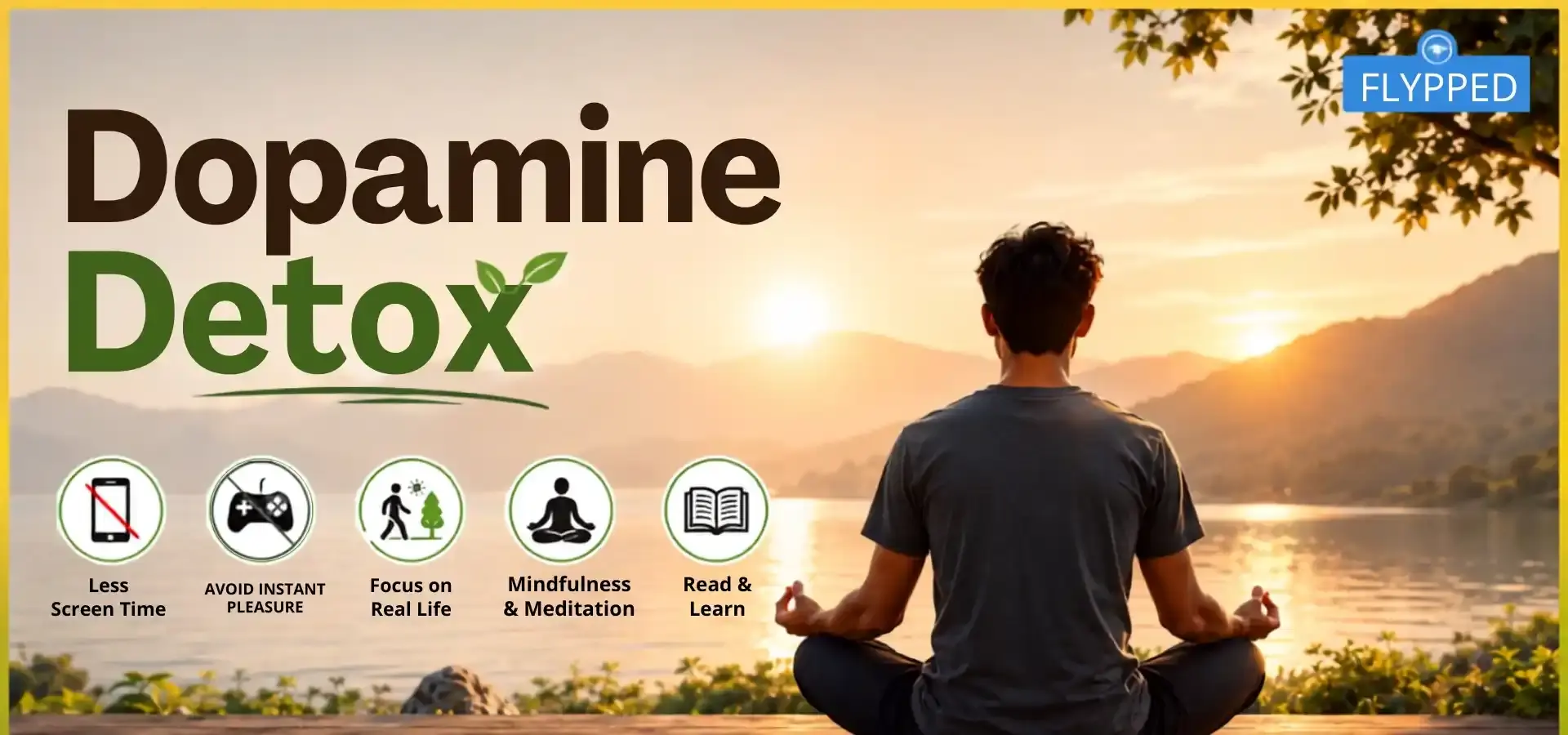
If you\'ve caught yourself reaching for your phone before you\'ve even opened your eyes in the morning, you\'re not alone. Over the past few years, dopamine detox has become one of the most searched wellness terms online and for good reason. Constant notifications, endless scrolling and on-demand entertainment have quietly rewired how our brains seek reward. Understanding what a dopamine detox actually is and what it isn\'t, can help you use it as a genuinely useful tool rather than another fleeting trend.
NOTE: Discover fashion trends, beauty tips, wellness advice, lifestyle guides, and latest updates.
What Is Dopamine Detox?
Dopamine is a neurotransmitter, a chemical messenger in the brain that plays a central role in motivation, pleasure and learning. It doesn\'t just make you feel good rather drives you to seek out the things that made you feel good in the first place from food and social connection to a satisfying notification sound.
Despite its name, dopamine detox doesn\'t mean depleting dopamine from your body. That\'s not biologically possible and it wouldn\'t be desirable even if it were. What dopamine detox actually means is temporarily reducing exposure to high-stimulation, instant-gratification activities like social media, video games, junk food, binge-watching, so your brain\'s reward system may gradually readjust and recalibrate. The goal is to lower your baseline tolerance for stimulation so that everyday, low-intensity activities feel satisfying again.
How Does the Brain Reward System Work?
To understand why this matters, it helps to understand the brain reward system itself. When you do something enjoyable, dopamine is released in a region of the brain called the mesolimbic pathway reinforcing the behavior so you\'re motivated to repeat it. This system evolved to reward things essential for survival like eating and social bonding.
The problem is that modern technology hijacks this ancient system. Apps and platforms are engineered often deliberately to deliver small, unpredictable dopamine hits through likes, messages and infinite scroll. Because the rewards are so frequent and easy to access, the brain adapts by raising its threshold for satisfaction. Over time, ordinary pleasures like reading a book or having a quiet conversation start to feel underwhelming compared to the rapid-fire stimulation of a screen. This is why modern technology overstimulates the brain in a way that earlier generations never experienced.
Signs You May Need a Dopamine Detox
Several patterns suggest your reward system may be overstimulated:
- Constant phone checking, even without a specific reason or notification
- Low motivation to start tasks that used to feel manageable
- Lack of productivity despite having enough time
- Social media addiction, including anxiety when you can\'t check your feed
- Feeling bored quickly, especially during quiet or unstimulating moments
If several of these sound familiar, your brain may have adapted to expect constant novelty and a structured reset could help.
What Causes Dopamine Overload?
Dopamine overload happens when the brain is repeated exposure to highly rewarding stimuli can lead to changes in reward sensitivity and habitual reward-seeking behavior. Common contributors include excessive smartphone use, social media, streaming platforms, video games, sugary or ultra-processed foods and even multitasking between apps. Each of these delivers a quick dopamine spike and the cumulative effect trains the brain to crave more frequent stimulation while losing patience for slower, delayed rewards like exercise, studying or deep work.
Dopamine Detox Benefits
When practiced thoughtfully, dopamine detox benefits can be noticeable within days to weeks.
- In clinical practice and behavioral psychology research, many people report improved focus after reducing high-frequency digital stimulation. Individual experiences vary, and results depend on the underlying cause of attention difficulties.
- Because the brain\'s reward threshold gradually lowers, everyday moments via a walk outside, a real conversation, a home-cooked meal, start to feel genuinely rewarding again rather than dull in comparison to a screen.
Dopamine Detox Rules
There\'s no single official protocol but most approaches share a few core dopamine detox rules:
- Limit social media: Set specific windows for checking apps instead of allowing constant access.
- Reduce screen time: Use built-in phone tools to track and cap daily usage.
- Practice mindfulness: Meditation or simple breathing exercises help the brain tolerate stillness without needing external stimulation.
- Spend time in nature: Natural environments provide calm, low-intensity stimulation that helps reset reward sensitivity.
- Read books instead: Replacing scrolling with reading offers engagement without the rapid dopamine spikes of digital media.
Most people start with short resets of a few hours or one day before building up to longer, more structured breaks.
How to Balance Dopamine Naturally
Rather than eliminating dopamine-triggering activities entirely, the more sustainable goal is learning how to balance dopamine naturally.
- Start prioritizing activities that release dopamine gradually and steadily such as exercise, adequate sleep, sunlight exposure and meaningful social interaction, over activities that produce sharp, short-lived spikes.
- Building in regular periods without digital stimulation even short ones also helps prevent the reward system from adapting to constant high-intensity input.
Digital Detox vs Dopamine Detox
| A digital detox specifically refers to stepping away from phones, computers and screens. It is often opted to reduce anxiety and improve sleep and focus quality. | A dopamine detox is broader as targets any behavior that triggers excessive reward-seeking, which can include digital devices but also sugar, gambling, shopping or even excessive socializing. |
These terms are often used interchangeably but they aren\'t quite the same. In practice, digital detox is usually one component of a wider dopamine detox strategy, since screens are the most common source of dopamine overload in daily life.
Dopamine Detox for Students
Dopamine detox for students has gained particular attention, since academic work often requires sustained focus that competes directly with the instant gratification of phones and social media. Students who structure short, screen-free study blocks often paired with techniques like the Pomodoro method tend to report better concentration and reduced procrastination. Simple steps like keeping phones in another room during study sessions or using app blockers during exam periods can make a measurable difference in academic performance and stress levels.
Can Dopamine Detox Help You Stop Procrastinating?
Procrastination is often less about laziness and more about the brain choosing the path of least resistance to the fastest reward. When a low-effort, high-stimulation option like scrolling is always available, it will usually win out over a slower effortful task. By practicing dopamine detox and removing easy access to those instant rewards, many people find it easier to stop procrastinating because the brain is no longer being offered a constant, more attractive alternative.
Dopamine Detox Side Effects
While generally safe, dopamine detox side effects can include temporary irritability, restlessness, low mood or difficulty concentrating during the first few days particularly for people cutting back on high-usage habits abruptly. These effects are usually short-lived and reflect the brain adjusting to a lower level of constant stimulation. Easing into a detox gradually rather than eliminating all stimulating activities overnight, tends to reduce discomfort.
Common Myths about Dopamine Detox
A few misconceptions persist.
- First, dopamine detox does not "reset" dopamine levels to zero as dopamine is always present and necessary for basic functioning.
- Second, it isn\'t only about quitting social media, food, shopping and other habits can contribute too.
- Third, it isn\'t a one-time fix. Lasting benefits come from ongoing habits, not a single 24-hour break. Approaching dopamine detox as a sustainable lifestyle adjustment, rather than an extreme short-term challenge, is what makes it genuinely effective.
Final Thoughts
Dopamine detox isn\'t about rejecting technology or pleasure altogether as it\'s about restoring your brain\'s natural sensitivity to reward, so that everyday moments feel satisfying again without needing constant stimulation. The real value lies not in a single dramatic reset, but in small consistent choices by putting the phone down during meals, choosing a walk over another episode or sitting with boredom instead of reaching for a distraction. Over time, these choices retrain your brain\'s reward system rather than fighting it. Start small, stay consistent and treat dopamine detox as an ongoing habit rather than a one-off challenge that\'s where the lasting benefits actually show up.
Read More:
- 10 Benefits of Positive Thinking to Improve Your Daily Life
- Tea vs Coffee: Which is Better for Your Lifestyle
- How to Use a Prega News Kit?
- Best Korean Skin Care Products in India for Glowing Skin
- Top Toxic Ingredients to Avoid in Skincare & Makeup Products
- Stop Comparing Your Life to Social Media
- What Are The Major Benefits Of Meditation For Students?
- The Silent Revolution: The Ultra Rich and Quiet Luxury
Frequently Asked Questions
Find answers to common questions about this topic
Reduce constant high-stimulation habits like endless scrolling, binge watching, and multitasking and build in sleep, exercise and offline breaks. The most reliable advice is to lower overstimulation and make your daily routine more balanced.
Vitamin D is often linked with supporting dopamine production and activity while B vitamins may help keep dopamine pathways working properly.
Vitamin B12 helps the brain make and regulate neurotransmitters including dopamine, so low B12 can affect dopamine signaling. It is better to say B12 supports healthy dopamine function rather than claiming it directly boosts dopamine for everyone.
The dark side of dopamine is that too much reward-seeking can push people into compulsive habits, short attention spans and emotional numbness from constant stimulation.