
Tier 1 Cities in India: The Opportunities, Challenges and Reality of Urban Migration
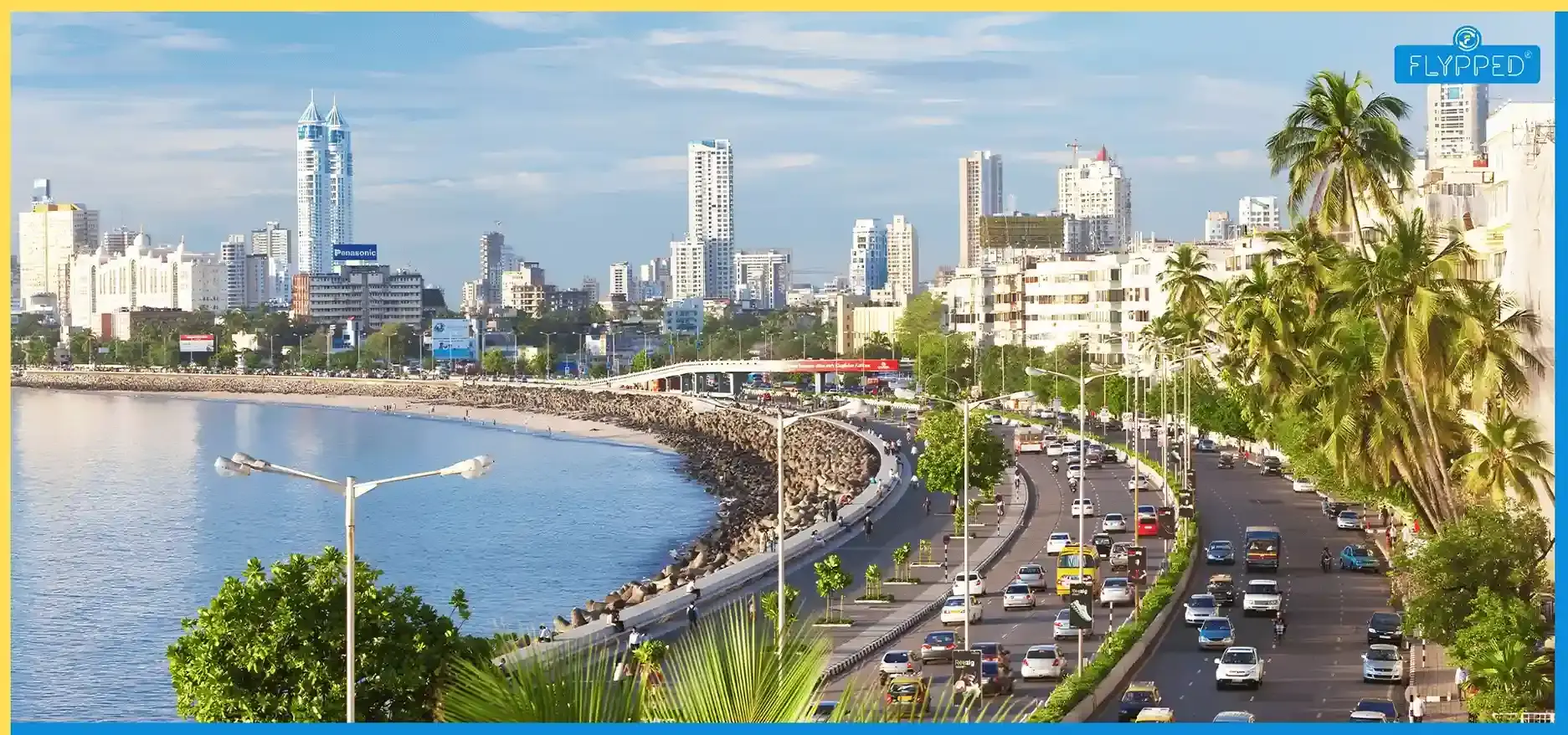
There\'s a moment many young Indians know well. You\'re sitting in your hometown, maybe it\'s a quiet town in Bihar, a mid-sized city in Rajasthan or a coastal district in Andhra Pradesh and somewhere between a slow internet connection, a limited job listing and a wedding where someone\'s going to bombard you with questions about future and you start thinking about the big cities. Every year, millions of Indians make this exact move. The pull toward Tier 1 Cities in India is not just economic rather emotional, aspirational and deeply tied to the way modern India is evolving. This blog unpacks the real reasons people pack their bags, what they find when they arrive and how to navigate the transition smartly.
What Are Tier 1 Cities in India?
The list of Tier 1 cities in India typically includes Mumbai, Delhi-NCR, Bengaluru, Hyderabad, Chennai, Kolkata, Pune and Ahmedabad. These are the country\'s economic hubs in India cities that contribute the majority of India\'s GDP, attract foreign investment and house the headquarters of thousands of corporations.
In the ongoing debate of tier 1 vs metro cities, it\'s worth noting that while all Tier 1 cities are classified as metropolitan cities in India, not every metro necessarily qualifies as Tier 1 in terms of economic output or infrastructure depth. The distinction matters as Tier 1 cities are defined by the scale of their opportunity, not just their population size. The India Tier 1 cities population now runs into the tens of millions across each region and it keeps growing, largely because of migration.
NOTE: Discover fashion trends, beauty tips, wellness advice, lifestyle guides, and latest updates.
The Pull Factors: Why People Really Leave
Jobs: The Undeniable Magnet
Ask anyone why they moved and the first answer is almost always work. India\'s major cities in India host the country\'s densest concentration of employers across sectors from legacy industries to cutting-edge startups. Like Bengaluru is widely recognized as the top IT hub in India, housing global tech giants like Infosys, Wipro, TCS and hundreds of funded startups. Hyderabad\'s HITEC City and Pune\'s Hinjawadi IT park represent similarly powerful industrial cities in India reimagined for the knowledge economy. Delhi-NCR is a powerhouse for media, finance, consulting, and FMCG. Mumbai remains the undisputed capital of banking, entertainment and fashion. For someone from a smaller town, the sheer volume and diversity of employment in these cities is staggering and deeply difficult to replicate at home.
Before moving for a job, map out the specific micro-market within the city where your industry clusters. Living close to your professional ecosystem reduces commute stress and increases serendipitous career opportunities.
Education and Skill Development
India\'s best universities, professional institutes and coaching ecosystems are heavily concentrated in large urban centres. Majority of IITs, IIMs, NLUs, top medical colleges, design schools and acclaimed universities are located in or around urban cities in India that fall into the Tier 1 bracket. Beyond formal education, the informal learning environment in these cities is unmatched. Industry meetups, hackathons, workshops, cultural collectives and networking events happen almost daily. In a smaller city, access to this kind of ecosystem simply doesn\'t exist at the same scale or frequency.
If you\'re moving primarily for education or upskilling, research the co-living and student housing options early. Cities like Pune and Hyderabad have robust, affordable accommodation ecosystems built specifically for young migrants.
Lifestyle and Cultural Access
This one doesn\'t get talked about enough but it\'s real. The lifestyle gap between a Tier 2 or Tier 3 city and a Tier 1 city in India is significant and it\'s not just about malls or restaurants. It\'s about access to global cuisine, independent cinema, live music, literary festivals, marathon culture, queer-friendly spaces, independent bookstores and a social environment where diversity of thought is normalized. For many young Indians, especially women, members of the LGBTQIA+ community or anyone who felt like an outlier in their hometown, big cities offer something invaluable via the freedom to simply be. The best cities to live in India by lifestyle metrics consistently rank Mumbai, Bengaluru and Pune at the top, owing to their cosmopolitan culture, green spaces and quality of social infrastructure.
Don\'t mistake access for automatic participation. City life can be isolating if you don\'t actively build community. Join hobby groups, neighbourhood communities or professional networks in your first three months, it changes everything.
Urban Development and Infrastructure
India\'s focus on urban development in India over the last decade has transformed the country\'s major cities. The smart city in India mission has upgraded public transport, sanitation, digital infrastructure and urban planning in dozens of cities. Metro rail networks in Delhi, Bengaluru, Hyderabad, Mumbai and Chennai have dramatically improved daily commute quality. Digital payment infrastructure, co-working spaces and gig economy platforms are also far more developed in these centres. For families, this translates to better hospitals, schools and public safety. For professionals, it means infrastructure that enables productivity through reliable electricity, internet and logistics that are sometimes still unreliable in smaller cities.
When choosing a neighbourhood in a new city, look at proximity to metro stations over road connectivity. Cities are unpredictable with road traffic but metro lines are consistent and proximity to a metro line also tends to protect property rental value over time.
Entrepreneurship and the Startup Ecosystem
India\'s startup boom has been almost entirely concentrated in its fastest growing city in India cluster in Bengaluru, Hyderabad, Delhi-NCR and Mumbai. These cities host venture capital firms, accelerators, co-working spaces and founder communities that are simply inaccessible from smaller cities. If you\'re building a company or want to work inside one at an early stage, being physically present in these ecosystems still matters enormously. Investor meetings, talent acquisition, partnership deals; a disproportionate amount of this still happens in coffee shops in Koramangala or conference rooms in Gurugram.
The Push Factors: What People Are Escaping
Migration isn\'t only about aspiration. It\'s also about friction. Here\'s what people are often quietly running from:
- Limited career progression- In smaller cities, industries may be narrow. A software engineer, a designer or a marketing professional may genuinely exhaust local opportunities within a few years.
- Social conservatism- For many Indians particularly women and young people with non-traditional life goals, the social surveillance of smaller communities can feel stifling.
- Family expectation pressure- Ironically, moving away from family can sometimes be the only way to build the life you want, away from the weight of intergenerational expectation.
- Infrastructure gaps- Inconsistent power, water, internet connectivity and limited access to quality healthcare remain real concerns in many Tier 2 and Tier 3 cities.
What to Watch Out For: The Honest Trade-offs
Big cities give but they also take. Anyone planning this move should go in clear-eyed:
- Cost of living- Rent, food and transport in Tier 1 cities can consume 50–70% of a starting salary. Budget carefully before you move, not after.
- Loneliness- The anonymity of big city life is both liberating and isolating. Building a social life takes deliberate effort.
- Pollution and congestion- Delhi\'s air quality, Mumbai\'s monsoon flooding and Bengaluru\'s notorious traffic are not exaggerations. Factor quality of life into your city choice.
- Mental health- The pressure to perform, compete and keep up is real. Cities reward ambition but can punish vulnerability if you don\'t build support systems.
Choosing Your City Wisely
Not all Tier 1 cities in India are the same experience. Here\'s a quick orientation:
| Mumbai | For finance, entertainment, fashion, and anyone who thrives in relentless energy. |
| Bengaluru | For tech, startups, outdoor culture, and a cosmopolitan but relatively laid-back lifestyle. |
| Delhi-NCR | For government, media, consulting, and those who want scale and ambition in equal measure. |
| Hyderabad | For low cost of living by Tier 1 standards, booming IT and pharma sectors, and a deeply underrated food and culture scene. |
| Pune | For education, manufacturing, IT, and those who want city access without Mumbai-level intensity. |
| Chennai | For automobile, manufacturing, IT, and a rich cultural identity that rewards those who take time to know the city. |
The Bottom Line
The move from a hometown to a Tier 1 city in India is rarely just a practical decision. It\'s a statement about what you want your life to look like. The cities pulling people in with their economic hubs, IT corridors, smart city infrastructure and cosmopolitan energy are genuinely transforming what\'s possible for millions of Indians. But the move works best when it\'s made with clear eyes knowing what you\'re seeking, what you\'re leaving, what it will cost and how you\'ll build community on the other side. The hustle is real. So is the opportunity and for many, the trade-off is absolutely worth it.
Read More:
- 10 Benefits of Positive Thinking to Improve Your Daily Life
- Tea vs Coffee: Which is Better for Your Lifestyle
- How to Use a Prega News Kit?
- Best Korean Skin Care Products in India for Glowing Skin
- Top Toxic Ingredients to Avoid in Skincare & Makeup Products
- Stop Comparing Your Life to Social Media
- What Are The Major Benefits Of Meditation For Students?
- The Silent Revolution: The Ultra Rich and Quiet Luxury