
Famous Gurudwaras in India: History, Culture, Seva and Sikh Heritage Guide
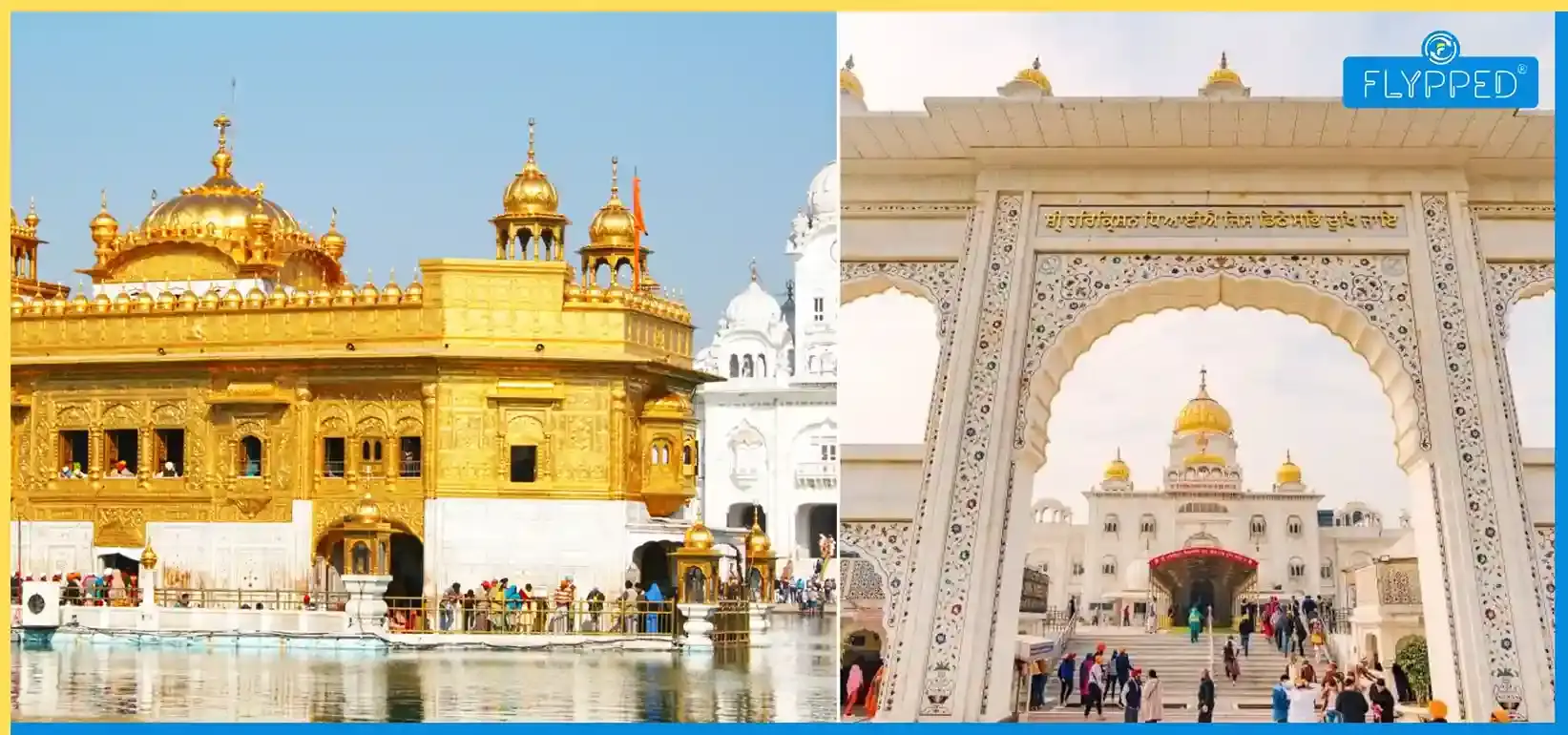
India is a land of profound spiritual traditions and among its most revered sacred spaces are the Gurudwaras, the holy shrines of the Sikh faith. India is home to some of the historically significant and architecturally stunning Gurudwaras in the world. Each one carries centuries of Sikh history, the teachings of Gurus and the living spirit of seva. These sacred sites are not merely religious landmarks rather are living institutions that serve humanity every single day through open community kitchens, shelter and spiritual guidance. This blog guides you through the famous Gurudwara in India, their historical significance, what to expect as a visitor and more.
What is a Gurudwara? Meaning & Importance
The word “Gurudwara” is derived from two Punjabi words. Guru means teacher or the divine light and Dwara means door or gateway and literal translation is gateway to the Guru. It is the place of worship for followers of the Sikh faith and its central sanctum enshrines the Guru Granth Sahib Ji, the eternal living scripture of Sikhism.
The Guru Granth Sahib Ji is not a regular religious text. In Sikhism, it is revered as the living embodiment of all ten Sikh Gurus and serves as the perpetual spiritual guide for the community. Every ritual, ceremony prayer and event in a Gurudwara revolves around the presence and teachings of this sacred scripture.
One of the most distinctive features of any Gurudwara is Langar, the community kitchen. Every Gurudwara regardless of its size operate a Langar where free meals are served to all visitors without distinction of religious, caste, gender or social status. This practice was initiated by Guru Nanak Dev Ji who was the founder of Sikhism and also reflects a powerful expression of the faith’s core principle of human equality.
The Gurudwara also embodies the concept of Seva, a voluntary selfless service. Devotees participate willingly in cooking, cleaning, serving food and maintaining the premises. This spirit of community participation makes every Gurudwara a deeply inclusive and welcoming space for everyone.
NOTE: Explore travel guides, destination ideas, travel tips, and latest updates for your next journey.
Most Famous Gurudwaras in India
Golden Temple
One of the most famous Gurudwara in India would be complete without beginning with Harmandir Sahib, also known as the Golden Temple located in Amritsar, Punjab. Not only the holiest Gurudwara but also one of the most visited religious sites in the entire world. The foundation of Harmandir Sahib was laid by the 5th Sikh Guru, Guru Arjan Dev Ji in the late 16th century. The site was chosen by Guru Ram Das Ji who established the city of Amritsar around the sacred pool known as the Amrit Sarovar. The Guru Granth Sahib Ji was first installed here in 1604 and the temple has remained the spiritual nucleus of the Sikh community. The architecture of the Golden Temple is a breathtaking confluence of Islamic and Hindu styles, a deliberate design choice that reflects Sikhism’s inclusive philosophy. The temple’s upper storeys are plated in pure gold gifted by Maharaja Ranjit Singh in the 19th century. The Langar at the Golden Temple is one of the largest in the world feeding an estimated one lakh every single day. It operates round the clock entirely through voluntary service and donations.
Gurudwara Hazur Sahib
Situated in Nanded, Maharashtra, Gurudwara Hazur Sahib holds the distinction of being one of the five takhts (the supreme seats of Sikh temporal and spiritual authority). It is among the most significant Gurudwara to visit in India for those who seek to understand the life of Guru Gobind Singh Ji, the 10th and final human Guru of Sikhism. It was at Nanded in 1708 that Guru Gobind Singh Ji as the eternal Guru for all Sikhs. The Gurudwara was built at the very spot of this momentous event by Maharaja Ranjit Singh in the 19th century and continues to be maintained by the Nanded Sikh Gurudwara Sachkhand Board. The architecture of Hazur Sahib is grand and imposing with gilded domes that are visible from considerable distances. The Gurudwara is particularly vibrant during the festivals of Gurupurabs, anniversaries marking key events in Sikh history when the entire complex is illuminated and special Kirtans are held day and night.
Gurudwara Sis Ganj Sahib
Located in the heart of Old Delhi, Gurudwara Sis Ganj Sahib Delhi is one of the nine historical Gurudwaras in India and stands as a powerful memorial to one of the most significant acts of sacrifice in Sikh history. It marks the site where Guru Tegh Bahadur Ji, the 9th Sikh Guru was publically executed on the orders of the Mughal Emperor Aurangzeb in 1675. Guru Tegh Bahadur Ji gave his life defending the religious freedom of the Kashmir Pandits and Hindus who had approached him for protection against forced conversion. The Gurudwara stands adjacent to the historic Chandni Chowk market. The Langar here serves visitors throughout the day, maintaining the tradition of open-hearted hospitality that defines Sikh places of worship.
Gurudwara Bangla Sahib
Gurudwara Bangla Sahib is among the most prominent and visited Gurudwaras in the capital city of New Delhi. It is associated with Guru Harkishan Ji who was the 8th Sikh Guru who stayed at this site in 1664 when it was a bungalow belonging to Raja Jai Singh. The pool surrounding the main shrine is called Sarovar which is considered sacred. The Gurudwara complex is vast and includes a school, library, hospital and an art gallery in addition to the main prayer hall and Langar. The white marble architecture and the golden dome of Bangla Sahib stand out against the urban backdrop of Connaught Place and are lit beautifully in the evening.
Gurudwara Moti Bagh Sahib
Gurudwara Moti Bagh Sahib in New Delhi is closely associated with Guru Gobind Singh Ji. The Gurudwara is known for its well-maintained complex and the regular religious gatherings and Kirtans held throughout the week. Devotees from across Delhi visit Moti Bagh Sahib to participate in morning and evening prayers, making it an important centre of Sikh spiritual life in the capital.
Gurudwara Sri Amb Sahib
Gurudwara Sri Amb Sahib is located in Mohali, Punjab. The Gurudwara is associated with events from the lives of the Sikh Gurus and serves as an important pilgrimage point in the Punjab circuit. Its tranquil setting and well-maintained premises make it a preferred site for those seeking quiet meditation and spiritual reflection. Regular Kirtan, daily prayers and community Langar are conducted here, maintaining the traditions that make every Gurudwara a living institution rather than merely a monument.
Gurudwara Singh Sabha
The Singh Sabha movement in the 19th century was a transformative period in Sikh history aimed at reviving and preserving Sikh identity, education and institutions. Gurudwaras established under the Singh Sabha banner across various cities in India played a central role in this movement. These Gurudwaras were not merely houses of prayer but became active centres for education, social reform and the propagation of Sikh teachings. They helped consolidate the Sikh community during a period of significant social and political change and continue to serve as important institutions for religious activities, youth programmes and community service.
Gurudwara Shri Guru Singh Sabha
Gurudwara Shri Guru Singh Sabha represents the modern face of Sikh community institutions well-organized, outward-looking and deeply committed to the welfare of all. These Gurudwaras are found in several cities across India, are known for their efficient Langar operations, spiritual gatherings and outreach programmes. Regular Akhand Paths (continuous readings of the Guru Granth Sahib Ji), Samagams (spiritual congregations) and educational initiatives keep the community engaged and connected to their faith.
Historical Gurudwaras in India
The historical famous Gurudwara in India are intimately connected to the ten Sikh Gurus and the key events of Sikh history. From the birthplace of Guru Nanak Dev Ji at Nankana Sahib which is now in Pakistan, though Kartarpur Sahib across the border remains relevant to the site of Guru Gobind Singh Ji's passing at Nanded, these sacred sites preserve the living memory of a faith that shaped the history of northern India profoundly. Within India, several towns in Punjab including Anandpur Sahib, Fatehgarh Sahib and Chamkaur Sahib embody important historical Gurudwaras connected to significant events such as the creation of the Khalsa, the martyrdom of the Sahibzadas and the battles fought to protect religious freedoms. The Anandpur Sahib complex in particular is of paramount historical importance, as it was here that Guru Gobind Singh Ji established the Khalsa Panth in 1699, a foundational moment in Sikh identity.
Why Tourists Visit Famous Gurudwara in India
Gurudwaras offer a sense of peace and refuge that is rare in today's busy world. The experience of Langar, sitting together on the floor with strangers of every background and sharing a simple, wholesome meal is a powerful lesson in humility and equality that resonates across cultures. The architectural grandeur of major Gurudwaras, particularly the Golden Temple draws visitors who are moved as much by their beauty as by their spiritual significance. There is also a growing interest in cultural tourism, where travelers seek authentic encounters with India's diverse living traditions. Gurudwaras with their open-door policy, active rituals, community kitchens and welcoming environment offer exactly this kind of immersive cultural experience.
Facilities Available at Major Gurudwaras
Major Gurudwaras across India provide an impressive range of facilities for visitors, all free of charge:
- Langar: Free meals served at all hours to everyone who visits regardless of faith or background.
- Sarais: Many large Gurudwaras maintain rest houses where pilgrims can stay for a limited period without charge.
- Medical Help & Drinking Water: Several major Gurudwaras operate dispensaries or hospitals in the vicinity. And clean freely available drinking water is standard facility at all Gurudwaras.
- Shoe Storage & Head Covering: Designated areas for storing footwear before entering the premises are always provided. And if you do not carrying you own, Gurudwaras typically provide cloth pieces to cover the head as a mark of respect.
Rules & Etiquette to Follow While Visiting Gurudwaras
Visitors of all faiths are warmly welcome at any Gurudwara and observing a few basic protocols ensures a respectful and enriching experience:
- Cover your head at all times while within the Gurudwara premises, this applies to all visitors regardless of religion.
- Remove footwear before entering and wash your feet if washing facilities are provided.
- Maintain silence & decorum within the prayer hall in the presence of the Guru Granth Sahib Ji.
- Sit on floor during Langar and in the prayer hall, the floor seating is symbolic of equality.
- Avoid intoxication within the Gurudwara and its premises and avoid wearing sleeveless clothing or short attire when visiting.
Best Time to Visit Famous Gurudwara in India
Gurudwaras are open every day of the year and welcome visitors at all times. However, certain occasions make the experience particularly special:
- Gurpurabs: Anniversaries commemorating the birth and martyrdom of the Sikh Gurus. These are celebrated with great enthusiasm followed by all night kirtan, processions and special prayers. The birthday of Guru Nanak Dev, observed in November is among the most widely celebrated.
- Baisakhi: usually falls on April 13th or 14th marks the creation of the Khalsa and is celebrated with immense energy at Gurudwaras throughout the Punjab and across India.
- Hola Mohalla: Unique Sikh festival instituted by Guru Gobind Singh Ji celebrated at Anandpur Sahib the day after Holi involving martial arts demonstrations, poetry and music.
- Seasonal Travel Windows: October to March are generally the most comfortable for visiting Gurudwaras in northern India particularly in Punjab where summer temperatures can be intense.
Spiritual & Cultural Importance of Gurudwaras
The significance of Gurudwaras extends well beyond the practice of Sikh faith. They represent, in a very tangible way, the values that form the foundation of a just and compassionate society. The institution of Langar was a radical act of social reform at a time when caste hierarchies dictated who could eat with whom. The insistence on sitting together on the floor and sharing food has for five centuries, embodied the Sikh teaching that every human being is equal before the divine.
In many cities, Gurudwaras have been at the forefront of relief efforts during natural disasters and humanitarian crises, opening their doors to provide food, shelter, and support without any conditions. India's cultural and spiritual landscape would be incomplete without acknowledging the immense contribution of these sacred institutions both to the Sikh community and to the broader national fabric.
Conclusion
From the gilded magnificence of the Golden Temple in Amritsar to the serene sanctity of Gurudwara Hazur Sahib in Nanded, the famous Gurudwara in India offer a window into one of the world’s most vibrant and compassionate spiritual traditions. Whether you are drawn by history, architecture, spirituality or sheer human curiosity, one of these Gurudwara to visit in India is an experience that enriches the mind and moves the heart. The welcome is unconditional, the Langar is always available and the sound of Gurbani fills the air with a peace that is difficult to describe but impossible to forget.
Read More:
Frequently Asked Questions
Find answers to common questions about this topic
Golden Temple located in Amritsar, Punjab. Hazur Sahib located in Nanded, Maharashtra. Located in the national capital, New Delhi, Sis Ganj Sahib, Bangla Sahib and Moti Bagh Sahib are top choices.
Gurudwara Hazur Sahib is located in Nanded, Maharashtra.
Gurudwara Sis Ganj Sahib marks the martyrdom site of Guru Tegh Bahadur Ji in 1675 in Delhi.
Guru Moti Bagh Sahib was built to commemorate Guru Gobind Singh Jiu2019s stay in Delhi.
Gurudwara Sis Ganj Sahib is directly associated with Guru Tegh Bahadur Ji.
No, entry to Gurudwaras is completely free for everyone.
Langar, accommodation, clean water, medical help and resting areas.