Top 10 Effective Stress Management Methods & Techniques in 2026
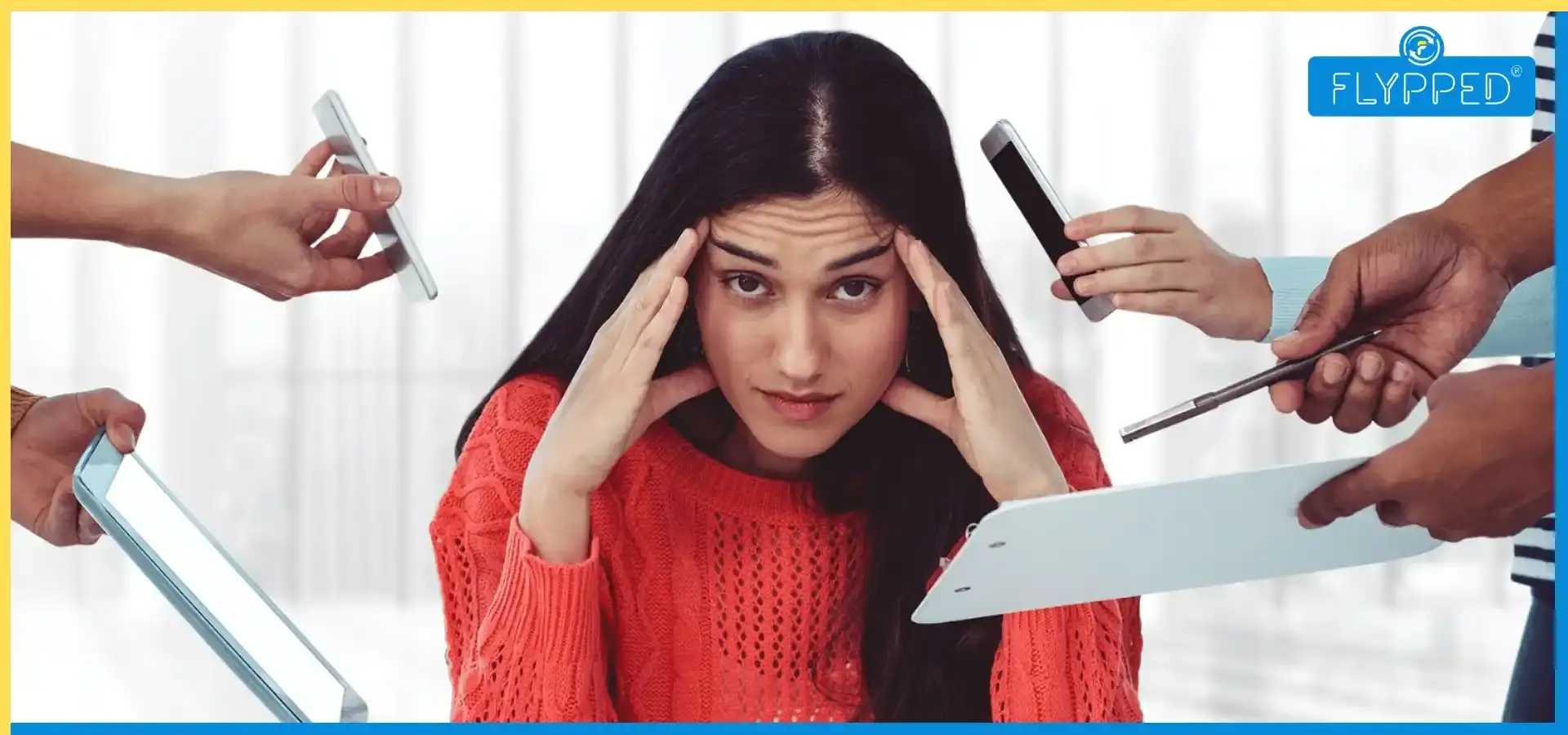
Life currently feels as if we are seated on a train with no return ticket. It's running through its never-ending course, taking us along with it, but we don't know where we are. In such a fast-paced life, we are bound to stress about the things around us.
There is constant pressure to achieve and stay on top, rather than sink below thousands of others running the same course as you. Stress has somehow become a constant in our lives. Be it related to our academics, our social life, or later on, our professional headspace. 7 out of 10 people suffer from stress that's ruining their daily routines.
Managing stress today isn't just about an extra hour in the gym. It's about the small, intentional shifts we make throughout the day. To make this easier, here are the top 10 most effective stress management methods and techniques to help define your wellness.
1. Nervous System "Downshifting"
In 2026, there is no such thing as “oh! Just calm down”. It's about downregulating: recognising when your body is in a fight-or-flight state, as indicated by a tight chest or a clenched jaw.
Techniques like Physiological Sigh (two quick inhales followed by one long, slow exhale) are now the golden standard for resetting your system in under 60 seconds.
2. Precision Wellness via Wearables
There is no guessing for you to do. Today’s wearables don't just count steps; they also track the Heart Rate Variability (HRV) and skin conductance to tell you exactly when your stress levels are spiking.
We use this data to intervene early. If you're seeing pings that indicate your cortisol is rising, don't ignore them. Take a three-minute micro-break before the stress becomes a full-blown headache.
3. Digital Detox
Digital detox might seem like an old-school technique now, and we have realised there is no way to just quit the internet. Instead, the Digital Sunset method has become a staple.
Two hours before your bedtime, dim the lights and transition to “analogue” mode. This isn't just about blue light; it's about reducing the cognitive load of notifications and doomscrolling, allowing the brain to produce melatonin naturally.
4. Somatic Movement
We have learned that you can't always think your way out of stress. Sometimes, stress is literally trapped in your muscles. Somatic movement, such as gentle, intuitive shaking, stretching, or dancing, can help relieve a lot of that stress.
It's less about working out and more about working through the physical tension that accumulates from a day spent sitting at a desk.
5. Cold and Heat Contrast Therapy
You must have heard about biohacking. Those reels about cold water plunges are just an example of Biohacking, whether it's a focused one-minute cold shower in the morning or a sauna session in the evening.
Contrast therapy is one of the most effective stress reduction techniques. The shock of the cold forces the brain to reset, flooding the body with norepinephrine and boosting your mood.
6. AI-Powered Mental Health Partners
AI can make a pretty good supportive peer. In 2026, many of us will use AI-driven wellness coaches that offer personalised, real-time grounding exercises. These tools are designed to recognise your speech pattern or typing speed and suggest specific meditations.
7. Forest Immersion (Nature Pill)
As our cities get smarter, the need for nature is growing. Forest bathing is simply taking a 20-minute walk in a nature-filled area. It helps lower your blood pressure and gets you calm with any prescription.
8. Micro-Habits and "Gentle Friction"
Stress often pushes us towards our bad habits. Like having a sugary snack or using the phone late at night. To stop this, we need to create small hurdles (gentle friction) that make it hard for us to fall into bad habits.
By making bad habits harder and the good ones easier, we manage stress without needing massive amounts of willpower. Throw away all the sugary snacks and keep your phone away at night to start.
9. Cognitive Reframing (The "Parade" Method)
Rather than trying to empty the mind, practise observing your thoughts like floats in a parade. See the Stress Float go by, you acknowledge it and let it keep moving. This distance helps prevent us from getting hooked by negative thought loops.
10. The Return of Radical Play
The biggest trend of 2026 is the return to play. Adults are reclaiming hobbies that have no productive value, such as LEGO, casual sports or painting. People have realised that when we are in a flow state through play, the brain’s stress centres finally go offline.
Stress isn't something you can just eliminate, but in the modern world, you surely have the tools to ensure it doesn't run the show. By using these stress management techniques, give yourself a break.
For Hindi Reader, Please Click for aaj ki khabar.
Explore the newest updates on Flypped
- Advantages of a Plant-Based Diet for Better Health
- Ghee: A Superfood or Just Hype? The Truth Explained
- What Are the Best Vegan Diet Plans for Weight Loss?
For more news updates, follow the Flypped Side of English News.