How to Get Relief from Period Pain: Stop Suffering in Silence, Try This Instead
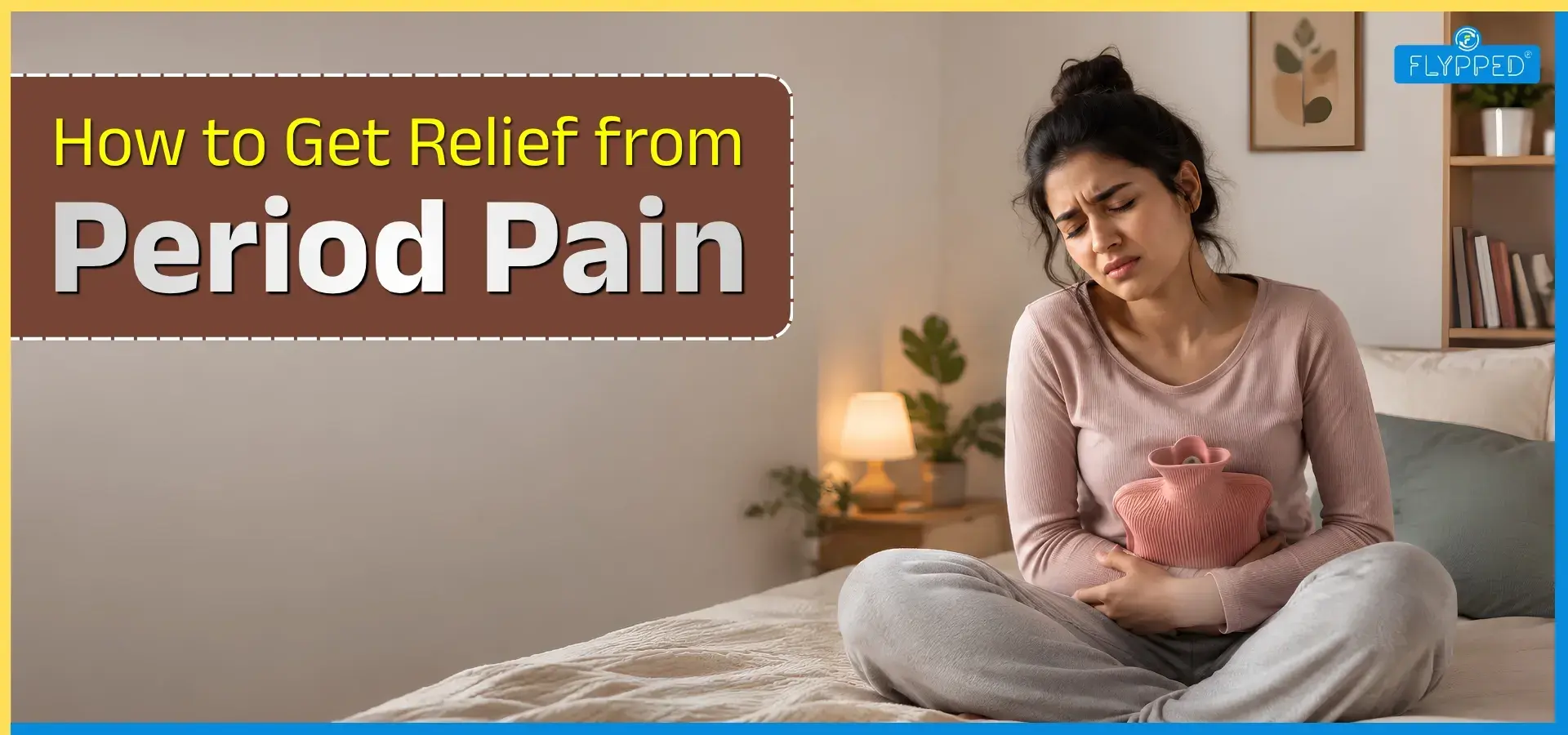
If you\'ve ever curled up on the couch with a hot water bag pressed against your stomach wondering why your body decides to punish you every single month, then you\'re not alone. Period pain is one of those things almost every woman deals with at some point, yet nobody really talks about how to handle it properly. Some months it\'s just a dull ache you can ignore and other months it feels like your uterus is trying to fold itself in half. So let\'s actually talk about how to get relief from period pain, why it happens in the first place and what you can do about it without just popping a pill and hoping for the best.
NOTE: Explore health and fitness news, workout guides, nutrition advice, and more from our latest updates.
What Causes Period Pain?
Here\'s the simple version of what\'s happening inside your body. Every month, your uterus builds up a lining in case a pregnancy happens. When it doesn\'t, that lining needs to shed and your body does this by making the uterus contract, basically squeezing itself to push the lining out. Those contractions are what you feel as cramps.
The real culprit behind the intensity of the pain is a group of hormone-like chemicals called prostaglandins. Think of prostaglandins as the messengers that tell your uterus, "okay, contract now." The more prostaglandins your body produces, the stronger and more frequent those contractions get and the more pain you feel. Some women naturally produce higher levels of prostaglandins than others, which is a big reason why period pain varies so much from person to person. It\'s not that some women are "more sensitive" or dramatic about it rather their bodies are literally producing more of the chemical that causes cramping.
Along with the cramps, period pain usually brings a whole package of other symptoms including:
- Lower abdominal cramps that can range from mild to sharp and stabbing
- Lower back pain, since the pelvic muscles and lower back are closely connected
- Pain radiating into the thighs
- Headaches often linked to the same hormonal shifts
- Nausea, sometimes bad enough to make eating difficult
- Tiredness or a general drained feeling, even if you slept fine the night before
Most of this falls under normal period pain, medically called dysmenorrhea. Primary dysmenorrhea is one of the leading causes of missed school and work among adolescents and young adults. Most menstrual cramps improve within 48–72 hours.It\'s uncomfortable but it usually shows up a day or two before your period and eases off within the first few days. What\'s not normal is pain so severe it stops you from going to work or school every single cycle, pain that doesn\'t respond to any medication or cramps that come with heavy clotting, fever or pain outside your period entirely. That kind of pain deserves a conversation with a doctor rather than just another heating pad because it could point to something like endometriosis, fibroids or PCOS.
How to Get Relief from Period Pain at Home
The good news is that most period pain can be managed without running to the pharmacy every month. These are genuinely some of the best home remedies for period pain and they\'re easy enough to do even when you\'re exhausted and don\'t feel like doing anything.
- Use a Heating Pad or Hot Water Bag: This is probably the oldest trick in the book and it works because heat relaxes the contracting muscles and improves blood flow to the area which eases the tension causing your cramps. A heating pad for period cramps placed on your lower abdomen or lower back for 15–20 minutes can noticeably cut down the intensity of the pain. If you don\'t have an electric heating pad, a hot water bag or even a warm towel does the job just as well. Some people also find a warm bath helpful especially combined with a bit of quiet time.
- Try Gentle Massage: A massage for period cramps sounds almost too simple to work but circular gentle pressure on your lower abdomen can relax the uterine muscles and reduce that clenched tight feeling. You can use your palm with a bit of warm oil like coconut or sesame oil and massage in slow circles for five to ten minutes. Some women also find relief massaging the lower back where the pain tends to radiate.
- Stay Hydrated: Hydration during periods gets overlooked way too often. When you\'re dehydrated, your body holds onto water and this bloating can actually make cramps feel worse. Drinking enough water helps reduce bloating and keeps your muscles from cramping up further. Warm water in particular can be more soothing than cold since it helps with digestion and relaxation at the same time.
- Take Rest and Improve Sleep: Your body is doing a lot of internal work during your period and pushing through exhaustion only makes pain feel more intense. Try to prioritize sleep during the first couple of days of your cycle and don\'t feel guilty about slowing down. Rest isn\'t laziness here rather genuinely one of the more effective ways to manage period pain.
How to Reduce Period Cramps with Exercise and Movement
It sounds counterintuitive to move when you\'re in pain but exercise for period pain relief is backed by real physiology. Movement increases blood circulation and releases endorphins which are your body\'s natural painkillers. You don\'t need an intense workout; in fact, that can backfire. Gentle, consistent movement is the goal.
- Try Gentle Exercise: A short walk, light cycling or even some easy household movement can help loosen up the pelvic area and reduce stiffness. Fifteen to twenty minutes of light activity is often enough to notice a difference in how your cramps feel.
- Try Yoga and Stretching: Certain yoga poses are particularly good for period pain because they gently stretch the lower abdomen and back. Poses like child\'s pose, cat-cow and reclining bound angle pose help release tension in the pelvic muscles. Even five minutes of slow stretching before bed can make the next day noticeably easier.
Foods and Drinks That May Help with Period Pain
What you eat during your period actually plays a bigger role in your comfort than most people realize.
Foods to Relieve Period Cramps
Foods rich in magnesium, omega-3 fatty acids and iron tend to help the most. Think leafy greens, bananas, nuts, seeds and fish like salmon. Magnesium may help relax muscles and some studies suggest it can reduce menstrual cramp severity in certain individuals. Dark chocolate in moderation can also help partly because of the magnesium and partly because comfort food is real.
Herbal Tea for Period Cramps
A warm cup of herbal tea for period cramps does double duty, the warmth soothes you the same way a heating pad does and certain herbs have natural anti-inflammatory properties. Ginger tea, chamomile tea and cinnamon tea are commonly used and are known to ease cramping and calm nausea at the same time.
Foods and Drinks to Limit
On the flip side, try to cut back on excess salt, caffeine and sugary foods during your period. These can increase bloating, worsen mood swings and in caffeine\'s case, actually tighten blood vessels and intensify cramps. It doesn\'t mean cutting them out completely, just being a little more mindful for those few days.
Period Pain Relief Medicine: What Are the Options?
Sometimes home remedies aren\'t enough and that\'s completely fine. Over-the-counter period pain relief medicine, especially Nonsteroidal anti-inflammatory drugs (NSAIDs), such as ibuprofen and naproxen, reduce prostaglandin production and are generally most effective when started at the onset of symptoms or just before menstruation begins (if cycles are predictable). Always follow the dosing instructions on the label or those provided by a healthcare professional. They tend to work best when taken right as symptoms start rather than waiting until the pain is already severe. If over-the-counter options aren\'t cutting it or you find yourself relying on medication every single cycle, that\'s worth discussing with a doctor rather than just increasing the dose on your own.
It\'s also worth mentioning PCOS and painful periods here because PCOS often causes heavier, more irregular and more painful periods than usual due to hormonal imbalances. If your cramps have gotten noticeably worse over time or your cycles have become unpredictable along with the pain, it\'s worth getting checked for PCOS or other underlying hormonal issues rather than assuming it\'s just "normal" period pain.
When is Period Pain Abnormal?
There\'s a difference between period pain that\'s annoying and abnormal period pain that signals something else going on. You should consider seeing a doctor if you experience:
- Pain so severe it interferes with daily activities every cycle
- Pain that doesn\'t improve with medication
- Periods that suddenly become much heavier or more painful than before
- Pain during sex or bowel movements
- Cramping that continues outside of your period
- Symptoms like fever, dizziness or fainting alongside cramps
These signs can point toward conditions like endometriosis, fibroids or pelvic inflammatory disease, and getting an early diagnosis makes a real difference in how manageable it becomes to treat.
Lifestyle Tips to Manage Period Pain
Beyond the immediate remedies, small lifestyle habits can reduce how much your periods hurt over time. Keeping a fairly consistent sleep schedule, managing stress, staying physically active throughout the month rather than only during your period and eating a generally balanced diet all contribute to more manageable cycles. Tracking your cycle can also help you anticipate when pain usually starts, so you can begin remedies like heat, hydration or gentle movement a day early instead of reacting once the pain has already set in.
Final Thoughts
Period pain doesn\'t have to control your week every single month. A combination of heat, movement, the right foods, proper hydration, and knowing when to reach for medicine or medical advice can make a real difference. And if something ever feels off compared to your usual pattern, trust that instinct and get it checked rather than just pushing through it.
Disclaimer: This article is intended for educational purposes only and should not replace professional medical advice, diagnosis, or treatment. If your symptoms are severe, persistent or unusual, consult a qualified healthcare professional.
Read More: