
Betadine Cream: Uses, Benefits, Side Effects & Precautions
Introduction
Minor cuts, burns, and scrapes are common injuries that can happen anytime. Even a small wound can become infected if it is not cleaned and treated properly.
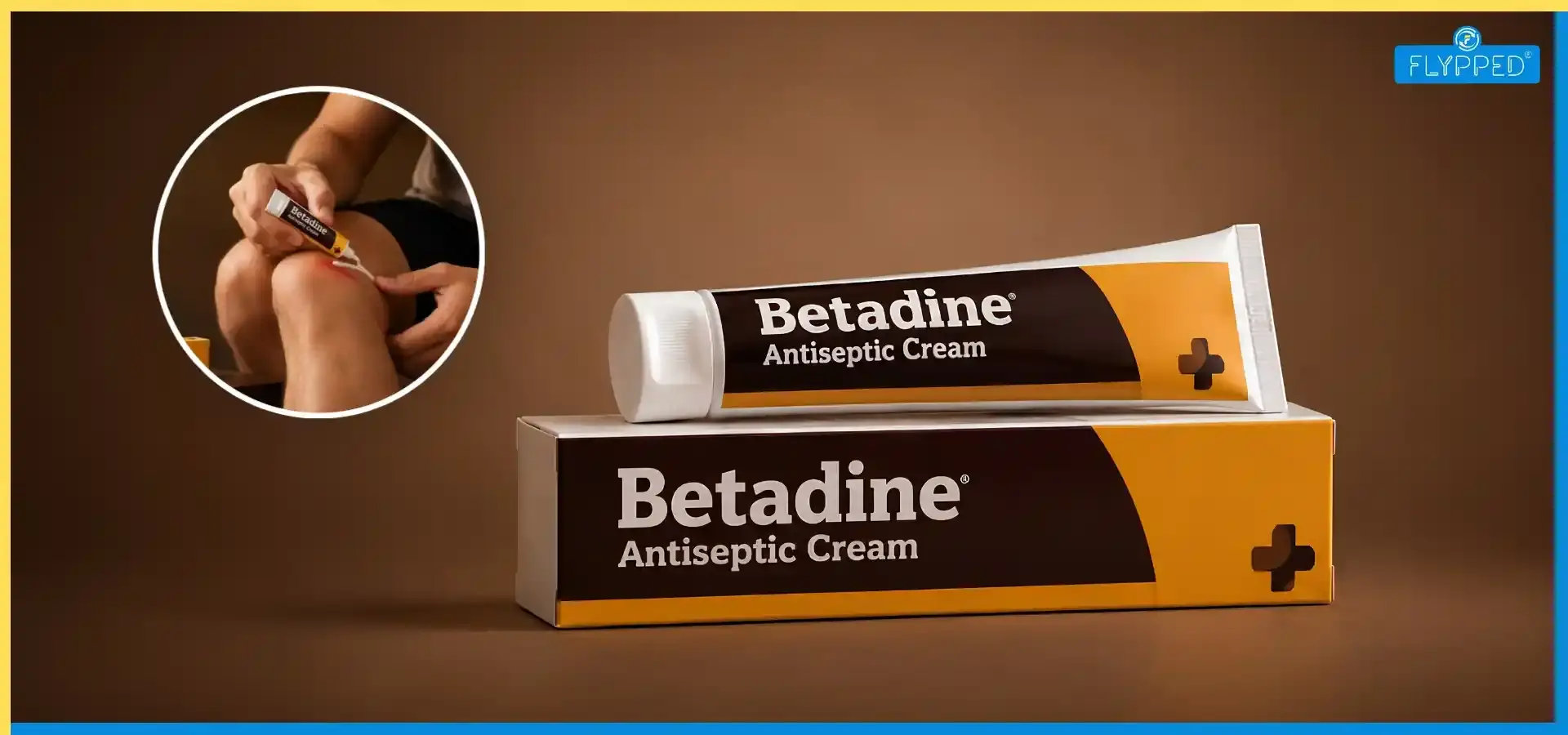
This is why many people keep an antiseptic cream in their first-aid kit. One of the most commonly used options is Betadine Cream.
Betadine Cream is known for helping prevent infections in minor wounds by killing germs before they can spread.
It is often recommended by healthcare professionals as a first-aid antiseptic for everyday skin injuries.
In this article, you'll learn about Betadine Cream uses, benefits, side effects, precautions, dosage, and who should avoid using it.
By the end, you'll have a clear understanding of when and how to use this medicine safely.
NOTE: Explore health and fitness news, workout guides, nutrition advice, and more from our latest updates.
What is Betadine Cream?
Betadine Cream is an antiseptic medicine that helps prevent and treat infections caused by bacteria, fungi, viruses, and some other microorganisms on the skin.
Its active ingredient is Povidone-Iodine, a broad-spectrum antiseptic that works by destroying harmful germs when applied to the affected area.
Unlike antibiotics, which target only bacteria, Betadine Cream can act against a wide range of microorganisms.
This makes it a popular choice for cleaning and protecting minor skin injuries.
Doctors and pharmacists often recommend Betadine Cream for:
- Small cuts and scratches
- Minor burns
- Abrasions
- Skin wounds
- First-aid treatment to reduce the risk of infection
It is meant only for external use and should never be swallowed or applied inside the eyes, mouth, or nose.
Betadine Cream Uses
Betadine Cream has several uses in everyday first aid. Its main purpose is to protect damaged skin from infection while the wound heals naturally.
Some of the most common uses of this cream include:
Preventing Infection in Minor Wounds
Whenever the skin is cut or scraped, germs can enter the body through the open area. Applying Betadine Cream after cleaning the wound helps reduce the number of germs on the skin, lowering the chance of infection.
Treating Small Cuts and Scrapes
Children and adults often get minor cuts while cooking, gardening, playing sports, or doing household work. Betadine Cream helps keep these small injuries clean and protected.
Caring for Minor Burns
Minor burns caused by hot water, steam, or hot objects may damage the skin's protective barrier.
Betadine Cream can help reduce the risk of infection once the burn has been properly cooled and assessed.
First-Aid Medicine
Many first-aid kits include Betadine Cream because it is easy to use and suitable for many common skin injuries. It is often one of the first medicines applied before dressing a wound.
Everyday Situations Where It May Be Used
People commonly use Betadine Cream after:
- Kitchen accidents
- Paper cuts
- Bicycle or sports injuries
- Minor falls
- Small abrasions
- Superficial skin wounds
Although Betadine Cream is useful for minor injuries, deeper wounds or serious burns require medical attention.
Betadine Cream for Cuts
Small cuts are one of the most common reasons people use Betadine Cream.
A cut creates an opening in the skin where bacteria and other germs can enter. If not treated properly, the wound may become infected, leading to redness, swelling, pain, or pus formation.
How Betadine Cream Helps
After cleaning the cut with clean water, apply a thin layer of Betadine Cream to the affected area. The cream helps reduce germs on the skin and protects the wound while it heals naturally.
Steps for Proper Use
- Wash your hands before touching the wound.
- Gently clean the cut using clean water.
- Pat the area dry with a clean cloth or sterile gauze.
- Apply a thin layer of Betadine Cream.
- Cover with a sterile dressing if needed.
- Change the dressing as advised or when it becomes dirty.
When to See a Doctor
Betadine Cream is suitable only for minor cuts. Seek medical help if:
- The cut is deep.
- Bleeding does not stop.
- The wound was caused by a dirty or rusty object.
- There are signs of infection such as swelling, pus, or increasing pain.
- The injury may require stitches.
Betadine Cream for Burns
Betadine Cream may also be used for certain minor burns, but it should only be applied after proper first aid.
First Aid for a Minor Burn
If you have a minor burn:
- Cool the burn under cool running water for about 20 minutes.
- Do not apply ice directly to the burn.
- Avoid breaking any blisters.
- Once the burn has cooled and if advised by a healthcare professional, Betadine Cream may be applied to help reduce the risk of infection.
Benefits for Minor Burns
Using Betadine Cream on minor burns may:
- Help keep the burned area clean.
- Reduce the growth of germs.
- Lower the risk of infection.
- Support the natural healing process.
Burns That Need Medical Care
Do not rely on Betadine Cream alone if the burn is:
- Large or deep
- Caused by chemicals or electricity
- Located on the face, eyes, hands, feet, or genitals
- Accompanied by severe pain or extensive blistering
These burns require immediate medical evaluation.
Betadine Cream for Open Wounds
Many people wonder whether Betadine Cream can be used on open wounds.
The answer depends on the type of wound.
For small, superficial open wounds, Betadine Cream may help reduce germs and lower the chance of infection when used correctly.
However, large, deep, heavily bleeding, or puncture wounds should always be examined by a healthcare professional before using any antiseptic cream.
How to Apply Betadine Cream on a Minor Open Wound
- Clean the wound gently with clean water.
- Remove visible dirt if possible.
- Dry the surrounding skin carefully.
- Apply only a thin layer of Betadine Cream.
- Cover with a clean dressing if recommended.
- Keep the wound clean and monitor it daily.
Watch for Signs of Infection
Stop self-treatment and seek medical advice if you notice:
- Increasing redness
- Swelling
- Warmth around the wound
- Pus or unusual discharge
- Fever
- Worsening pain
These symptoms may indicate an infection that needs professional treatment.
Betadine Ointment Uses
Many people use the terms Betadine Cream and Betadine Ointment interchangeably. Both contain Povidone-Iodine as the active ingredient and are used to help prevent skin infections.
However, the cream and ointment may have slightly different textures, and your doctor may recommend one based on the type of skin condition or wound.
The most common uses include:
1. Treating Minor Cuts and Scrapes
Betadine Ointment is commonly used to disinfect small cuts, scratches, and abrasions. It helps reduce germs on the skin and lowers the risk of infection.
2. Caring for Minor Burns
Minor burns can damage the skin and make it easier for germs to enter. Betadine Ointment may be used after proper first aid to keep the affected area clean and protected.
3. Managing Small Skin Wounds
The ointment can be applied to small wounds after cleaning them properly. It creates a protective layer while helping prevent bacterial contamination.
4. First-Aid Treatment
Many homes, schools, and workplaces keep Betadine Ointment in their first-aid kits because it can be used for common skin injuries.
5. Before Dressing a Wound
Healthcare professionals may recommend applying Betadine before placing a sterile bandage on certain minor wounds to reduce the chance of infection.
Note: Betadine Ointment is intended for minor skin injuries only. Deep wounds, animal bites, or severe burns require immediate medical care.
Betadine Cream Benefits
Betadine Cream offers several benefits when used correctly for minor skin injuries. It is trusted because it helps protect damaged skin from infection and supports the natural healing process.
Some of the important benefits of this cream include:
Helps Prevent Infection
The biggest benefit of Betadine Cream is that it helps kill harmful germs that may enter through broken skin. This lowers the chance of developing an infection.
Works Against Different Types of Germs
The active ingredient, Povidone-Iodine, works against many types of bacteria, fungi, viruses, and other microorganisms. This broad action makes it a reliable antiseptic.
Easy to Apply
The cream spreads easily over the affected area and is simple to use at home for small cuts, burns, and scrapes.
Supports Wound Care
Keeping a wound clean is an important part of healing. Betadine Cream helps maintain a cleaner environment for the skin while it repairs itself.
Useful in First Aid
Because of its effectiveness and ease of use, Betadine Cream is a common item in first-aid kits at home, school, offices, and during travel.
Suitable for Many Minor Skin Injuries
It can be used on a variety of minor skin injuries, including:
- Small cuts
- Minor burns
- Abrasions
- Scratches
- Superficial wounds
Remember, Betadine Cream is not a substitute for medical treatment in serious injuries or infections.
How Does Betadine Cream Work?
Understanding how Betadine Cream works can help you use it correctly.
The active ingredient in Betadine Cream is Povidone-Iodine. When applied to the skin, it slowly releases iodine.
This iodine attacks and destroys the proteins and cell structures of harmful microorganisms.
As a result, many disease-causing germs are killed before they can multiply and cause an infection.
Step-by-Step Process
- Betadine Cream is applied to the affected skin.
- It releases iodine slowly over the area.
- The iodine destroys harmful microorganisms.
- The number of germs on the skin decreases.
- The risk of infection is reduced, allowing the skin to heal naturally.
Unlike antibiotics, which mainly work against bacteria, Betadine Cream has a broader antiseptic action against several types of microorganisms.
However, it is important to remember that Betadine Cream does not speed up healing directly.
Its main role is to help prevent infection so the body's natural healing process can continue without complications.
Can Betadine Cream Be Used on the Face?
Many people ask whether Betadine Cream is safe to use on facial skin.
The answer depends on the situation.
Betadine Cream may sometimes be used on small, minor wounds on the face if recommended by a healthcare professional.
However, facial skin is more sensitive than other parts of the body.
Important Points to Remember
- Avoid getting the cream into the eyes.
- Do not apply it inside the nose or mouth.
- Use only a thin layer if advised by a healthcare provider.
- Avoid applying it over large areas of the face.
- Do not use it for cosmetic purposes.
If you have a deep facial injury, heavy bleeding, or a wound caused by an accident, seek medical attention instead of treating it yourself.
If irritation, redness, or swelling develops after applying the cream, stop using it and consult a healthcare professional.
Can Betadine Cream Help with Acne?
Some people wonder if Betadine Cream can be used to treat pimples or acne.
While Betadine Cream has antiseptic properties, it is not designed or commonly recommended as a routine treatment for acne.
Acne develops due to multiple factors, including:
- Excess oil production
- Blocked pores
- Bacteria
- Hormonal changes
- Inflammation
Since acne is a complex skin condition, it usually requires treatments specifically developed for acne, such as products containing benzoyl peroxide, salicylic acid, retinoids, or other medicines recommended by a dermatologist.
Should You Use Betadine Cream for Pimples?
Using Betadine Cream on pimples without medical advice is generally not recommended because:
- It may irritate sensitive facial skin.
- It is intended mainly for wound care.
- Frequent use may cause dryness or skin irritation.
- It does not address the underlying causes of acne.
If you have frequent acne breakouts, it is best to consult a dermatologist for proper diagnosis and treatment.
If a pimple becomes infected or forms an open wound, a healthcare professional can advise whether Betadine Cream is appropriate for that specific situation.
Betadine Cream Side Effects
Betadine Cream is generally safe when used as directed for minor skin injuries. However, like all medicines, it may cause side effects in some people. Most side effects are mild and go away after stopping the medicine. If the symptoms are severe or do not improve, seek medical advice.
Here are some common side effects of this cream.
1. Skin Irritation
Some people may experience mild irritation after applying Betadine Cream. This can include discomfort or tenderness at the application site.
2. Redness
The skin may become slightly red after using the cream. Mild redness often settles on its own, but persistent redness should be checked by a healthcare professional.
3. Itching
Some users may notice itching where the cream has been applied. If the itching becomes severe or spreads to other areas, discontinue use and consult a doctor.
4. Burning Sensation
A mild burning or stinging feeling may occur for a short time after application, especially if the skin is already damaged. If the burning is intense or lasts for a long time, stop using the cream.
5. Allergic Reactions
Although uncommon, some people may be allergic to Povidone-Iodine or other ingredients in Betadine Cream.
Signs of an allergic reaction may include:
- Severe skin rash
- Swelling of the face, lips, or tongue
- Difficulty breathing
- Severe itching
- Blistering
These symptoms require immediate medical attention.
When Should You Stop Using Betadine Cream?
Stop using Betadine Cream and contact a healthcare professional if:
- The wound becomes more painful.
- Redness or swelling continues to increase.
- Pus develops.
- You develop signs of an allergic reaction.
- Your wound does not improve after several days.
- You experience fever along with a skin infection.
Using the cream correctly and only for the recommended duration helps reduce the risk of side effects.
Betadine Cream Precautions
Before using Betadine Cream, it is important to understand a few precautions to ensure safe and effective use.
1. Avoid If You Have an Iodine Allergy
Since Betadine Cream contains Povidone-Iodine, people who are allergic to iodine or iodine-containing products should avoid using it.
2. Use with Caution in Thyroid Disorders
Iodine can affect thyroid function in some individuals. If you have a thyroid disorder, such as hyperthyroidism or other thyroid-related conditions, consult your doctor before using Betadine Cream.
3. Pregnancy and Breastfeeding
If you are pregnant or breastfeeding, use Betadine Cream only if advised by a healthcare professional. Prolonged or excessive use may not be suitable in certain situations.
4. Children and Infants
Betadine Cream should only be used in children and infants under medical guidance. Parents should follow the instructions given by a healthcare professional regarding its use.
5. Avoid Excessive or Prolonged Use
Do not use Betadine Cream for longer than recommended without medical advice. Prolonged use on large areas of skin may increase iodine absorption.
6. For External Use Only
Betadine Cream is intended only for external application.
Avoid contact with:
- Eyes
- Inside the nose
- Mouth
- Ears (unless advised by a healthcare professional)
If accidental contact occurs, rinse the area thoroughly with clean water.
7. Follow Proper Wound Care
Before applying Betadine Cream:
- Wash your hands.
- Clean the wound gently.
- Apply only a thin layer.
- Cover with a sterile dressing if required.
Good wound care improves healing and helps prevent infection.
Who Should Avoid Using Betadine Cream?
Although Betadine Cream is suitable for many people, it may not be appropriate for everyone.
You should avoid or seek medical advice before using Betadine Cream if you:
- Have an allergy to iodine or Povidone-Iodine.
- Have certain thyroid disorders.
- Are pregnant or breastfeeding without medical advice.
- Are treating newborn babies or very young infants without a doctor's recommendation.
- Need to apply it over large areas of damaged skin for a long period.
- Have deep wounds, severe burns, or heavily infected wounds that require medical treatment.
If you are unsure whether Betadine Cream is suitable for your condition, speak with your doctor or pharmacist before using it.
Betadine Cream vs Other Antiseptic Creams
Many antiseptic products are available for wound care, and people often wonder how Betadine Cream compares with them.
| Feature | Betadine Cream | Other Antiseptic Creams |
| Active ingredient | Povidone-Iodine | Varies depending on the product |
| Main purpose | Helps prevent infection in minor wounds | Helps prevent infection in minor wounds |
| Germ protection | Broad-spectrum action against many microorganisms | Depends on the active ingredient |
| Common use | Cuts, burns, scrapes, minor wounds | Similar uses depending on the product |
| Availability | Widely available | Varies by brand |
The choice of antiseptic depends on:
- The type of wound
- Skin sensitivity
- Medical history
- Doctor's recommendation
- Individual allergies
If you are unsure which antiseptic is best for your wound, ask a healthcare professional for advice.
Conclusion
Betadine Cream is a widely used antiseptic that helps prevent infections in minor cuts, scrapes, burns, and superficial wounds.
Its active ingredient, Povidone-Iodine, works against a wide range of germs, making it a trusted addition to many first-aid kits.
While Betadine Cream is generally safe when used as directed, it should only be applied to minor skin injuries and for the recommended duration.
Follow proper wound care, avoid unnecessary prolonged use, and be aware of possible side effects or allergies.
For deep wounds, severe burns, persistent infections, or wounds that do not heal, seek medical advice instead of relying on self-treatment.
Using Betadine Cream responsibly can help reduce the risk of infection and support the body's natural healing process.
Read More:
Frequently Asked Questions
Find answers to common questions about this topic
Betadine Cream is used to help prevent infection in minor cuts, burns, scrapes, abrasions, and superficial wounds.
It may be used on small, superficial open wounds after proper cleaning. Deep or heavily bleeding wounds should be examined by a healthcare professional.
Use it only for the duration recommended on the product label or by your healthcare provider. Long-term or excessive use should be avoided unless advised by a doctor.
It may be used in children only according to the product instructions or under the guidance of a healthcare professional.
Betadine Cream is not intended as a routine acne treatment. People with persistent acne should consult a dermatologist for appropriate care.