
Mouth Ulcer: Causes, Symptoms, Treatment, Home Remedies and Prevention Tips

Introduction
Have you ever felt uneasy while enjoying your favourite spicy food or found it uncomfortable to chew?
If this sounds familiar, the problem might not be your taste buds but a mouth ulcer taking away the pleasure of eating.
So, what are mouth ulcers? They are small, painful sores that form inside your mouth.
Having a mouth ulcer can make eating, drinking, speaking, and even brushing your teeth uncomfortable.
Most mouth ulcers go away on their own after a short time. However, if one lasts for a long time, it’s important to see a dentist.
NOTE: Explore health and fitness news, workout guides, nutrition advice, and more from our latest updates.
Mouth ulcers can appear in different parts of the mouth, such as on the tongue, gums, lips, or the inside of your cheeks.
If you want to know more about treating mouth ulcers, this guide covers everything from symptoms and treatment options to prevention tips. Keep reading to learn more.
What is a Mouth Ulcer?
A mouth ulcer is a sore that forms inside your mouth. It usually looks round or oval, with a red border and a white, yellow, or grey centre.
These ulcers, also known as canker sores or aphthous ulcers, can make eating, drinking, or talking uncomfortable.
About 20% of people develop mouth ulcers that recur occasionally. They are not contagious, but they can be annoying and painful.
Most mouth ulcers heal on their own within 1 to 2 weeks, but some may last longer and cause more severe symptoms.
What causes Mouth Ulcers?
Doctors are not entirely sure what causes mouth ulcers, but several known factors and triggers are involved. Minor injuries inside your mouth can cause ulcers.
These injuries might come from dental work, brushing too hard, playing sports, or accidentally biting your cheek or tongue.
Other triggers include toothpaste or mouthwash containing sodium lauryl sulfate, food sensitivities (especially to acidic foods like strawberries, tomatoes, and citrus fruits), insufficient intake of nutrients such as vitamin B-12, zinc, folate, or iron, and hormonal changes during menstruation.
Emotional stress or lack of sleep can also lead to mouth ulcers. Infections caused by bacteria, viruses, or fungi may also play a role.
Smoking and some medications, like beta-blockers and chemotherapy drugs, can also cause mouth ulcers.
Types of Mouth Ulcers
Mouth ulcers can be grouped into three common types:
1. Minor Ulcers
Minor ulcers are the most common type. They are usually small and may heal within one to two weeks without leaving a scar.
Although they are not usually serious, they can cause pain while eating or drinking.
2. Major Ulcers
Major ulcers are larger and deeper than minor ulcers. They may be more painful and can take longer to heal.
In some cases, they may leave a scar after healing. If you regularly develop large or painful ulcers, you may need medical advice.
3. Herpetiform Ulcers
Herpetiform ulcers are made up of many small ulcers that may appear together.
Despite their name, they are not necessarily caused by the herpes virus. They can be painful and may make eating difficult.
Mouth Ulcer Symptoms
A mouth ulcer is a sore that often appears on the soft parts of your mouth, like your tongue, the inside of your cheeks, your gums, or the roof of your mouth.
You might also notice these symptoms:
- Pain or discomfort, especially when you eat, drink, or brush your teeth
- A burning or stinging feeling that may begin a few days before the sore shows up
- Swelling and redness around the sore
- In more serious cases, mouth ulcers can also cause a fever, swollen lymph nodes, or feeling unwell or tired.
If a mouth sore does not heal after three weeks, see your doctor.
Mouth Ulcer in Different Parts of the Mouth
Mouth ulcers can develop in several areas. The location may affect how the ulcer feels and how easily it gets irritated.
Mouth Ulcer on Tongue
An ulcer on the tongue can be particularly uncomfortable because the tongue moves constantly while eating and speaking. It may cause pain when chewing, swallowing, or talking.
Mouth Ulcer on Cheek
Ulcers on the inner cheek can develop after accidentally biting the cheek or from irritation caused by teeth, braces, or dental appliances. Chewing food may make the sore more painful.
Mouth Ulcer on Gum
A sore on the gums may cause discomfort while brushing or eating. Gum ulcers should not always be assumed to be ordinary mouth ulcers, especially if there is swelling, bleeding, or severe pain.
Mouth Ulcer on Lip
Mouth ulcers can also occur on the inner surface of the lips. Eating salty, spicy, or acidic foods may increase irritation and discomfort.
What Deficiency Causes Mouth Ulcers?
When your body lacks enough vitamins, the lining of your mouth can weaken. This makes it easier for inflammation and sores to appear. Here’s how a vitamin deficiency can lead to mouth ulcers.
If you don’t get enough vitamin B12, you might get mouth ulcers more often, feel tired, or notice your skin looks pale.
Vitamin B12 helps your body make red blood cells and repair tissues. Without enough B12, your mouth heals more slowly, and you may experience nerve pain.
Taking supplements and eating more B12-rich foods can help you recover. acid helps your cells grow and repair.
If you do not get enough, you might have mouth inflammation, cracked lips, or mouth ulcers.
Eating leafy greens, citrus fruits, and fortified cereals can help maintain healthy folic acid levels. Iron is also important because it helps your blood carry oxygen.
Without enough iron, your tissues get less oxygen. This can make you feel tired, give you a sore tongue, and cause mouth ulcers.
In serious cases, it can lead to a smooth, red tongue called atrophic glossitis. Eating more iron-rich foods, like lentils, spinach, and lean meat, or taking supplements, can help you recover.
Zinc supports your immune system and helps repair tissues. If you don’t get enough zinc, mouth ulcers may take longer to heal and can happen more often.
Eating more nuts, seeds, and legumes, or taking zinc supplements, can help prevent them from coming back.
Vitamin C keeps your blood vessels strong and helps your body make collagen.
Without enough vitamin C, your gums might bleed, and wounds may heal slowly, which can make mouth ulcers worse.
Eating citrus fruits, strawberries, and bell peppers regularly can help prevent these issues.
Mouth Ulcer Treatment
Mouth ulcers can be painful, but there are simple home remedies that may help you feel better and heal more quickly.
Many of these natural treatments use common household ingredients and can ease pain, reduce swelling, or fight infection.
Ice Cubes

You can also place an ice cube on the ulcer for a short time to numb the area and quickly relieve pain, especially if the sore is large or very painful.
This can be helpful if the ulcer is caused by braces or dentures. Always wrap the ice in a clean cloth before using it to protect your mouth.
Saltwater

Dissolve a teaspoon of salt in warm water and rinse your mouth for about 30 to 60 seconds. This can reduce swelling and keep the ulcer clean. Try this two or three times daily. You can also apply a little honey to the ulcer to relieve pain and support healing.
Yoghurt
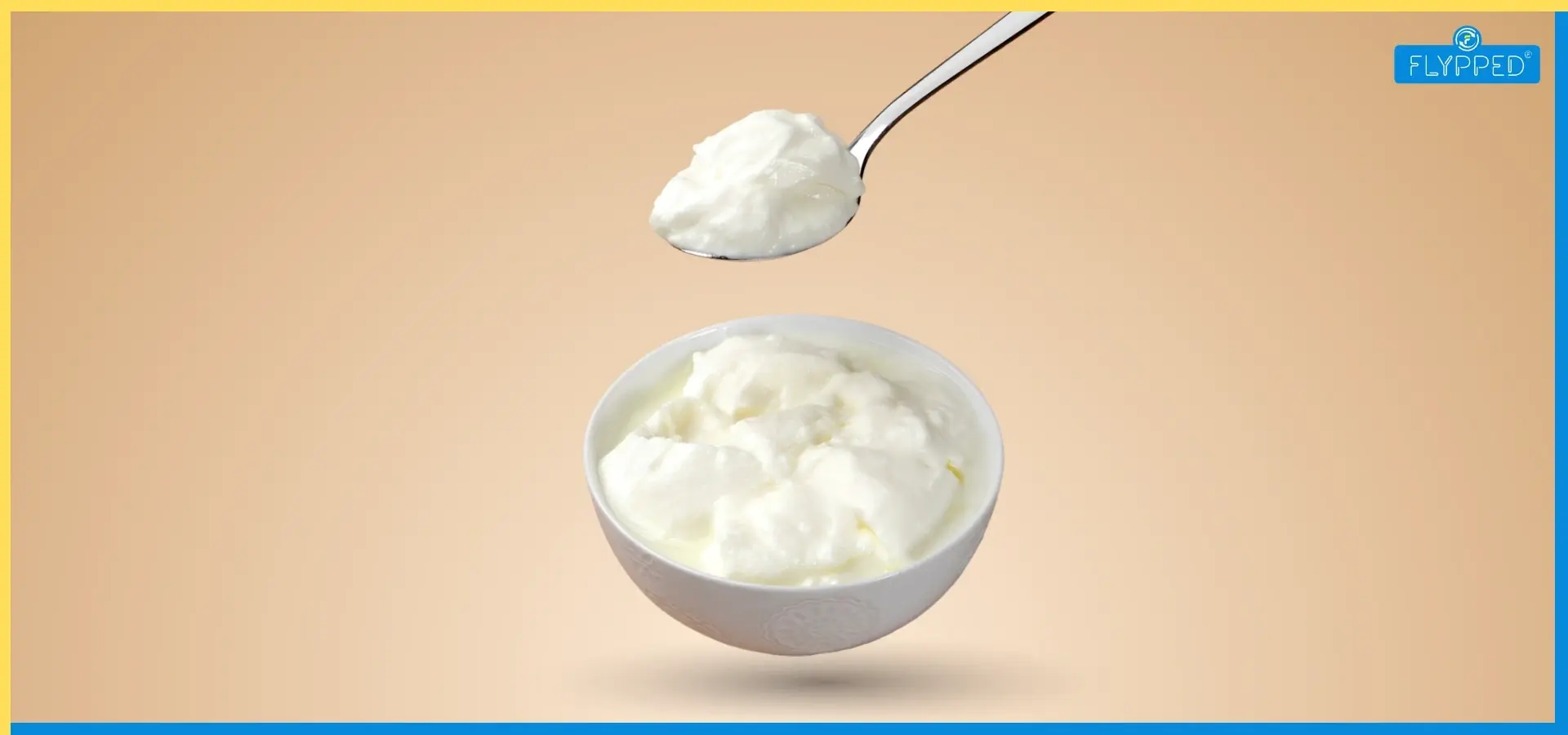
Eating plain yoghurt with live probiotics can help maintain a healthy balance of bacteria in your mouth and gut, which may lower the risk of getting more ulcers.
Adding yoghurt to your diet could help prevent future sores. Turmeric is another option with anti-inflammatory and antimicrobial benefits. Mix turmeric powder with water or honey to form a thick paste, then apply it to the ulcer.
Let the paste stay on the ulcer for a few minutes before rinsing it off. This can help with pain, swelling, and bacteria.
Honey

Honey has natural antibacterial and anti-inflammatory properties that help keep the sore moist and reduce the risk of infection. Raw honey is most effective.
You can also dab coconut oil on the ulcer. Its antimicrobial and anti-inflammatory properties may protect the sore and lessen irritation from food and drinks. For best results, apply coconut oil several times a day and let it stay on the sore.
Aloe Vera
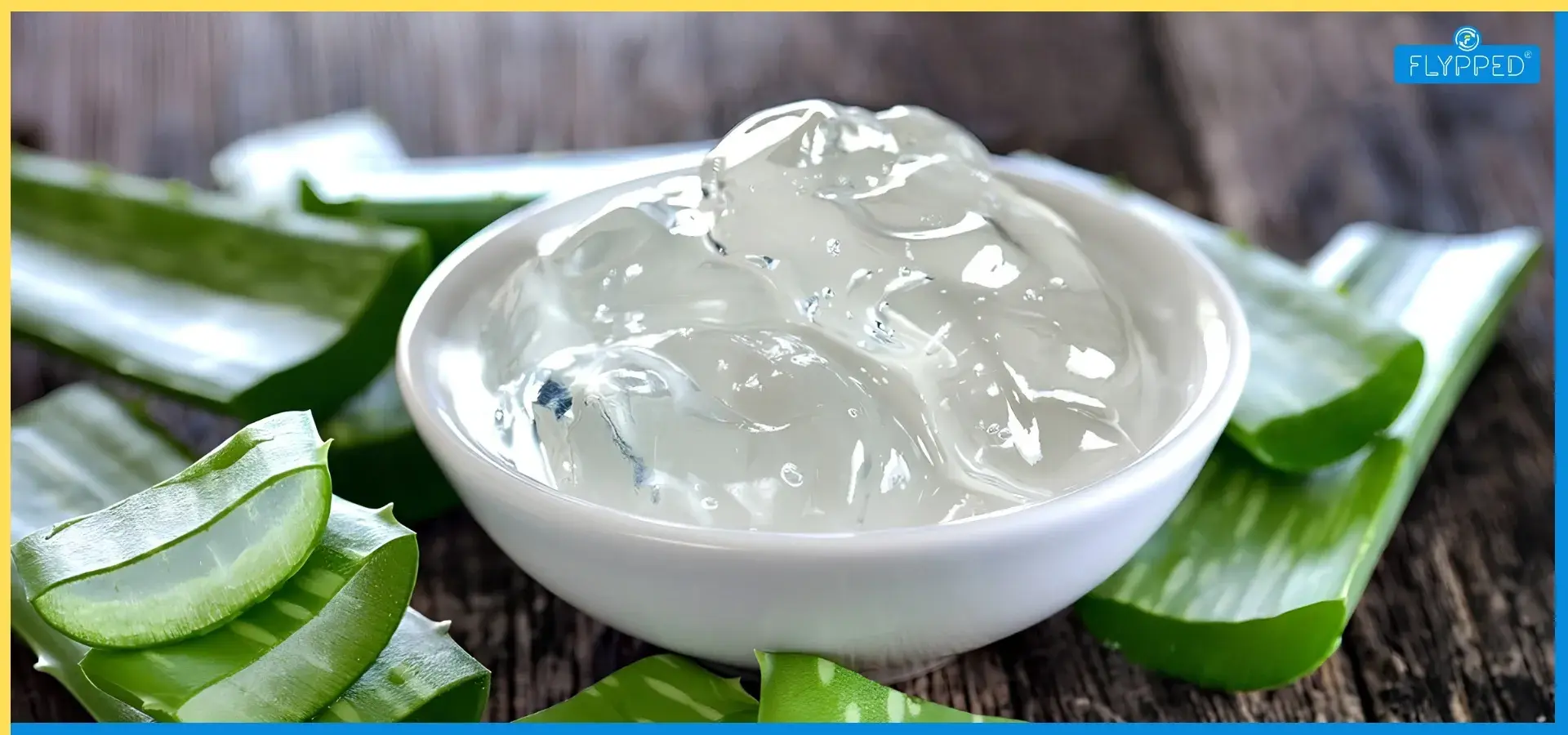
Applying fresh aloe vera gel to the ulcer can help relieve pain, fight bacteria, and speed up healing. Its cooling feel can also make the sore more comfortable. Fresh gel from the plant works best, but pure store-bought gel is also helpful.
Chamomile Tea

You can also rinse your mouth with cooled chamomile tea or place a chamomile tea bag directly on the sore. This may soothe irritation, reduce redness, and support healing. For best results, use this remedy two or three times a day.
Clove Oil

Clove oil is another option, as it can numb the area and fight bacteria. Use a cotton swab to apply a small amount to the sore. For best results, mix clove oil with coconut or olive oil to prevent irritation.
Baking Soda
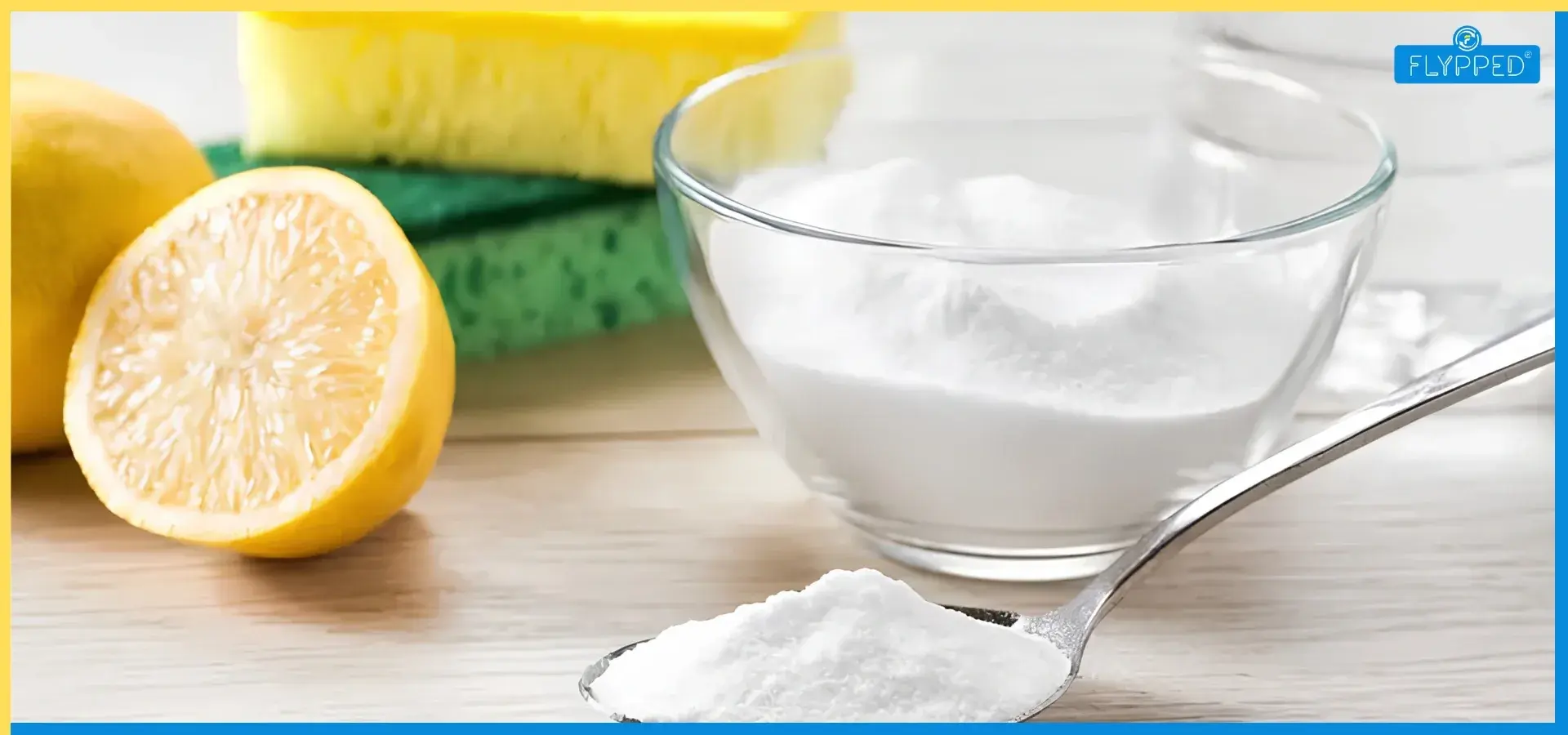
Mix baking soda with water to make a thick paste, then apply it to the ulcer. This can help balance acidity and reduce irritation, especially if the ulcer is caused by acidic foods or changes in mouth pH. It may sting a little at first, but it can help the sore heal more quickly.
Home Remedies for Mouth Ulcers
Some simple measures may help reduce irritation and discomfort:
- Rinse your mouth gently with salt water.
- Drink enough water throughout the day.
- Avoid touching or picking the ulcer.
- Use a soft toothbrush.
- Avoid very hot foods and drinks.
- Eat soft foods that are easier to chew.
- Keep your mouth clean with regular but gentle brushing.
Home remedies may provide comfort, but they do not treat every possible cause of mouth ulcers. If an ulcer does not improve or keeps coming back, consult a healthcare professional.
Foods to Eat During Mouth Ulcers
Choosing soft and mild foods can make eating more comfortable. You may consider foods such as:
- Soft fruits that are not acidic
- Cooked vegetables
- Oatmeal or porridge
- Soft rice
- Yoghurt, if it does not irritate you
- Soups that are warm rather than very hot
- Soft, well-cooked foods
Drink enough water to stay hydrated. If a particular food causes burning or pain, avoid it until the ulcer heals.
Food to Avoid During Mouth Ulcer
Some foods can irritate an existing ulcer and increase discomfort. Try to avoid:
- Very spicy foods
- Very salty foods
- Highly acidic foods
- Very hot foods and drinks
- Hard or crunchy foods
- Foods that repeatedly irritate the sore
Citrus fruits and acidic drinks may cause a burning sensation for some people. The best approach is to identify which foods worsen your symptoms and avoid them temporarily.
Mouth Ulcer Prevention
You might not be able to prevent mouth ulcers every time, but these tips can lower your risk.
- Make brushing and flossing part of your daily routine, and don’t skip regular dental appointments.
- Avoid foods that might bother your mouth, such as spicy, acidic, or crunchy items.
- Take your time when eating so you don’t accidentally bite your cheek or tongue.
- Manage stress, eat a healthy diet, and get enough sleep to help your immune system stay strong.
- If you have a health condition that leads to ulcers, quitting smoking and avoiding alcohol can help.
- If you often get mouth ulcers, talk to your doctor about whether B-vitamin or zinc supplements could be useful.
- Using an antimicrobial mouthwash daily might also help prevent them.
When Should You See a Doctor or Dentist?
See your doctor or dentist if you notice any of these signs with your mouth ulcer:
- The ulcer is much bigger than normal or is very painful
- The ulcer does not heal after three weeks, spreads to your lips
- Feeling fever, diarrhoea, headaches, or trouble drinking enough fluids.
- It keeps coming back.
- Also, see a doctor if the sore makes it hard to eat, causes severe pain, or shows signs of infection, such as pus, oozing, or red streaks.
Conclusion
Mouth ulcers are common and usually not serious, but they can be uncomfortable.
If you find out what causes them, take steps to prevent them, and use the right treatments, managing canker sores becomes easier.
Sometimes, mouth ulcers can signal another issue in your body. If they start to affect your daily life, it’s a good idea to talk to your doctor or dentist.
You may want to get tested for nutrient deficiencies, food sensitivities, or conditions like celiac disease that could be causing your ulcers.
Read More:
Frequently Asked Questions
Find answers to common questions about this topic
A mouth ulcer is a small, painful sore that develops inside the mouth. It can appear on the tongue, inner cheek, gums, or inner lips. Most mouth ulcers are temporary and heal on their own.
Mouth ulcers can be caused by accidental biting, mouth injuries, braces, sharp teeth, stress, certain foods, or irritation. Nutritional deficiencies, such as low iron, vitamin B12, or folate levels, may also be linked to recurrent ulcers.
Choose soft and mild foods that are easy to chew, such as porridge, soft rice, cooked vegetables, and yoghurt if it does not irritate. Drink enough water and avoid foods that increase burning or pain.
You can rinse your mouth gently with salt water, drink enough water, use a soft-bristled toothbrush, and avoid spicy, salty, acidic, or very hot foods. Do not pick or touch the ulcer.
See a doctor or dentist if the ulcer is very large or painful, keeps coming back, does not heal as expected, or makes eating and drinking difficult. Persistent mouth sores should be professionally examined.