
How to Declutter Your Home: Best Tips for a Clean and Calmer Space
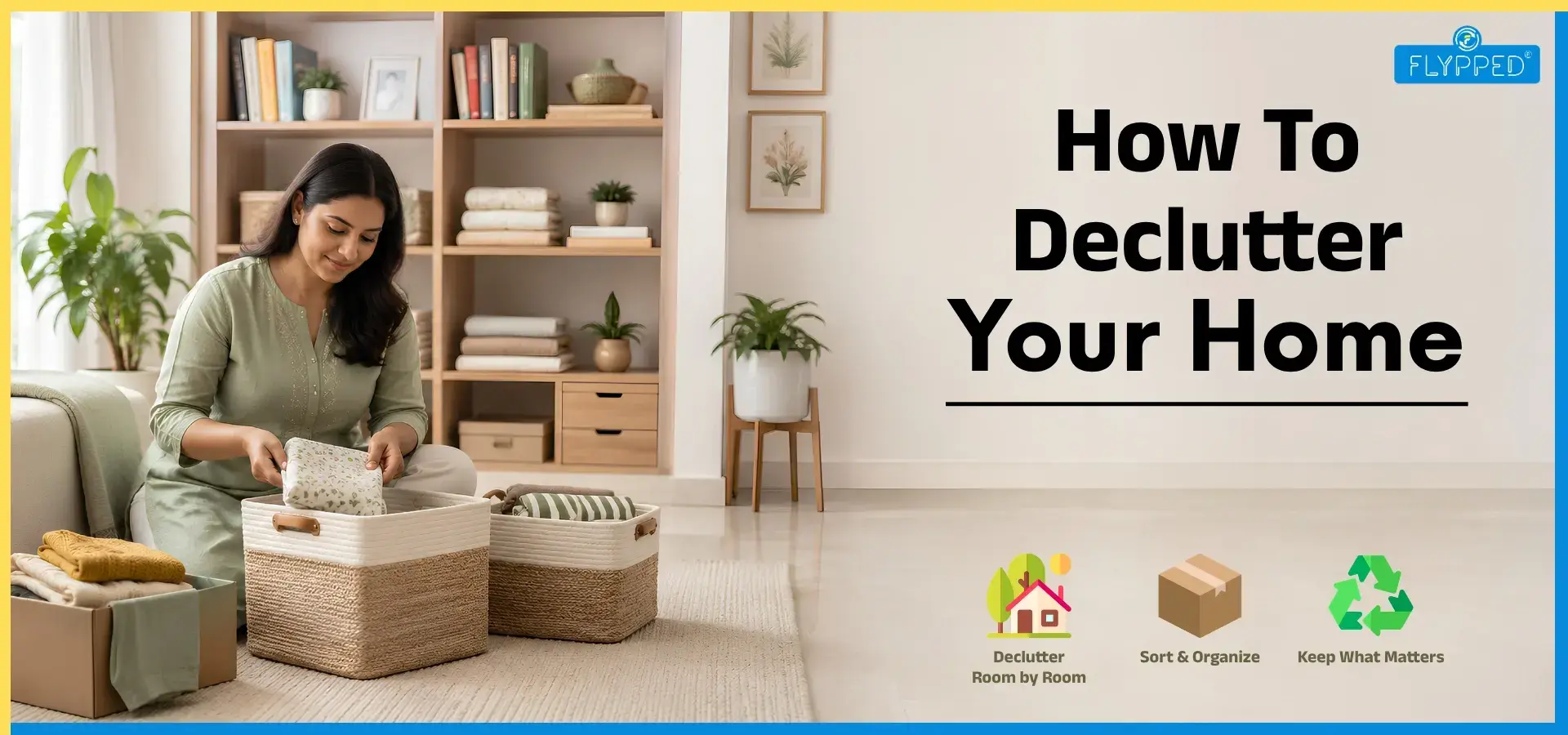
There's a particular kind of exhaustion that comes from living in a cluttered home. It's not just the overflowing drawers or the pile of "maybe later" items by the door rather the low hum of visual noise that follows you from room to room, quietly draining your focus before you've even had your morning coffee. If you've been searching for how to declutter your home and actually make it stick, you're not alone and you're in the right place.
NOTE: Discover fashion trends, beauty tips, wellness advice, lifestyle guides, and latest updates.
This blog skips the vague inspiration and gets straight to what works which is practical, solution-focused steps you can start today, whether you have a free weekend or just fifteen minutes between meetings.
Why Decluttering Is Worth the Effort
Before diving into the how, it helps to understand the why. The benefits of decluttering your home go well beyond aesthetics.
Research in environmental psychology consistently links cluttered spaces to elevated cortisol levels, particularly in women managing household responsibilities. A tidier home isn't just easier on the eyes but on your nervous system too. Beyond stress reduction, a decluttered home means:
- Less time wasted searching for items you already own
- Easier cleaning, since there's less to move, dust and organize around
- More usable space, even without renovating or moving to a bigger home
- Better financial awareness, since you can see what you have and stop buying duplicates
- A calmer mental state, since visual clutter competes for your brain's limited attention
Once you feel the shift after even one decluttered room, the motivation to continue tends to follow naturally.
Start With the Right Mindset
Most decluttering attempts stall not because of a lack of time but because of a lack of strategy. People wander from room to room, get overwhelmed and give up by lunchtime. Before you touch a single drawer, set yourself up with these ground rules:
- Pick One Area at a Time: Trying to tackle the whole house in one day is the fastest route to burnout.
- Set a Timer: Even 20-minute sessions create real progress without the fatigue of an all-day purge.
- Have Three Boxes or Bags Ready: Keep, Donate/Sell and Trash. A fourth box labeled "Undecided" can help you avoid decision fatigue, but use it sparingly.
- Don't Organize yet, Declutter First: Buying storage bins before you've removed excess items just gives clutter a nicer home. Organization tips for home spaces only work once you've reduced what needs organizing.
How to Decide What to Keep or Throw Away
This is the step that trips up most people. You pick up an item, hesitate, and put it right back where it was. To make faster, more confident decisions, ask yourself these questions for each item:
- Have I used this in the last 12 months? If not and it's not seasonal or sentimental, it's likely safe to let go.
- Would I buy this again today, at full price? If the honest answer is no then that hesitation is telling you something.
- Does this item serve a real purpose or am I keeping it "just in case"? The "just in case" pile is usually where clutter hides in plain sight.
- Is this a duplicate of something I already own? You likely need one good pair of scissors, not four scattered across three rooms.
- Does this bring me genuine value, be it functional or emotional? Sentimental items are allowed to stay but be honest about the difference between meaningful and merely familiar.
A helpful shortcut- if you have to talk yourself into keeping something for more than a few seconds, that's usually your answer.
How to Declutter Room by Room
Trying to declutter your entire home in one sweep is overwhelming and rarely sustainable. Breaking the process down room by room keeps momentum high and results visible. Here's a practical order to follow, starting with the areas that tend to have the biggest emotional and functional payoff.
The Entryway
This is the first space any visitor or you would see and it often becomes a dumping ground for shoes, mail and bags. Install a small tray for keys, a designated hook system and a basket for mail that gets sorted weekly. Small changes here set the tone for the rest of the house.
The Kitchen
Kitchens accumulate clutter fast via mismatched containers, expired spices, appliances you used once. Pull everything out of one cabinet or drawer at a time. Get rid of anything broken, expired or duplicated. Keep counters as clear as possible; visual clutter in the kitchen has an outsized effect on how the whole home feels.
The Bedroom
Your bedroom should feel restful, not like a second closet. Start with the nightstand, then move to the closet (more on that below) and finally under the bed, a notorious hiding spot for forgotten items. Aim for a space with minimal visual stimulation near where you sleep.
The Closet
Closets deserve their own moment, since clothing clutter is one of the most common culprits. Try the hanger trick: turn all hangers backward and after wearing an item, turn its hanger the right way. After three to six months, anything still facing backward hasn't been worn and is a strong donation candidate.
The Bathroom
Expired medications, empty bottles kept "just in case" and unused samples pile up quickly here. Check expiration dates ruthlessly. Bathrooms are small, so even minor decluttering creates a noticeably bigger, more functional space.
The Living Room
Remotes without matching devices, unread magazines, decorative clutter, the living room often mirrors your daily habits. Keep only what supports how you actually use the space which is relaxing, entertaining or spending time with family.
Shared or Miscellaneous Spaces
Home offices, garages and storage closets are usually saved for last because they require more decision-making. Treat these as their own project and don't feel pressured to finish them in one session.
Easy Ways to Declutter Your Home When You're Short on Time
Not everyone has a spare weekend to dedicate to a full home reset and that's okay. These easy ways to declutter your home fit into small pockets of time:
- The One-Minute Rule: If a task takes less than a minute to hang up a coat, tossing a receipt, do it immediately instead of letting it pile up.
- The 12-12-12 Challenge: Find 12 items to throw away, 12 to donate and 12 to return to their proper place. It's fast, achievable, and surprisingly satisfying.
- The reverse hanger trick (mentioned above) for closets.
- One Drawer a Day: Small, consistent effort adds up faster than waiting for a free Saturday.
- The four-box method during commercial breaks or while on a call: Keep, Donate, Trash, Relocate.
Consistency beats intensity. A few minutes daily will outperform one exhausting purge that you never repeat.
Decluttering Small Spaces
If you live in an apartment, studio or smaller home, clutter feels louder because there's less room for it to hide. Decluttering small spaces requires a slightly different approach:
- Use Vertical Storage: Wall shelves, over-the-door organizers and stackable bins free up floor space without expanding your square footage.
- Choose Multi-Functional Furniture: Ottomans with storage, beds with built-in drawers, and expandable tables reduce the need for separate storage furniture.
- Apply the One-in-One-out Rule Strictly: In small spaces, every new item needs an exit plan for something else.
- Digitize where possible: Scan documents, photos, and paperwork instead of keeping physical archives.
- Be more Selective with Decor: A few intentional pieces will make a small space feel curated rather than cramped.
How to Declutter Before Moving House
Moving is one of the best natural opportunities to reset your relationship with your belongings. And skipping this step means paying to pack, transport, and unpack things you don't actually want in your new home. Here's how to declutter before moving house efficiently:
- Start 6–8 Weeks out, tackling one room per week rather than cramming everything into the final days.
- Sort as you Pack, not After: Handle each item once: keep, donate, sell, or discard, rather than boxing everything "to deal with later."
- Use the New-Space Test: If you can't picture where an item will go in your new home, question whether it needs to come with you.
- Sell or Donate Early: Local buy-sell groups, donation centers and consignment shops all move faster with more lead time.
- Label Boxes by Room and Priority, not just Contents: This makes unpacking in your new, hopefully clutter-free home much smoother.
Moving with less means unpacking faster, spending less on moving costs and starting fresh in a space that reflects who you are now, not who you were five house-moves ago.
Building Long-Term Organization Habits
- Decluttering is a project; staying organized is a lifestyle. Once your home feels lighter, protect that progress with a few sustainable organization tips for home maintenance:
- Do a 10-minute reset each evening, returning items to their designated spots.
- Schedule a seasonal mini-declutter every three months rather than waiting for clutter to build up again.
- Give everything a home. If an item doesn't have a designated spot, it's more likely to become clutter.
- Practice mindful buying. Before purchasing something new, consider whether it earns its place in your home.
- Revisit your "maybe" box periodically, if you haven't missed what's inside, it's safe to let go for good.
Final Thoughts
Learning how to get rid of clutter isn't about achieving a picture-perfect, minimalist home overnight. It's about creating a space that supports how you actually want to live; one drawer, one room, one honest decision at a time. Start small, stay consistent and trust that the calm you're looking for is only a few sessions away.
Read More:
Frequently Asked Questions
Find answers to common questions about this topic
Trying to tackle the whole house in one day, buying storage bins before decluttering, skipping the "keep, donate, trash" sorting step and stopping to reminisce over every item instead of making quick decisions. These mistakes usually lead to burnout before real progress is made.
Sentimental items like photos, gifts and inherited belongings are consistently the hardest, since the decision feels emotional rather than practical. Paperwork and "just in case" items like cables, spare parts, old electronics are a close second, simply because they're easy to postpone.
Start with easy, low-emotion items: expired products, broken items, duplicates and obvious trash. Clearing these first builds momentum and confidence before you tackle harder, sentimental decisions.
Separate the memory from the object, the feeling isn't stored in the item, it's stored in you. Keep a small, curated selection of truly meaningful pieces, photograph items you're unsure about before letting them go and give yourself permission to release things without guilt.
Set a limit like one memory box per person instead of keeping everything. Ask if the item is honoring the memory or just taking up space. Donating to someone who'll use and love it, rather than discarding it often makes letting go easier and photographing items before parting with them preserves the memory without the physical clutter.