
Israel Allegedly Uses White Phosphorus in Lebanon: How Dangerous Is It?
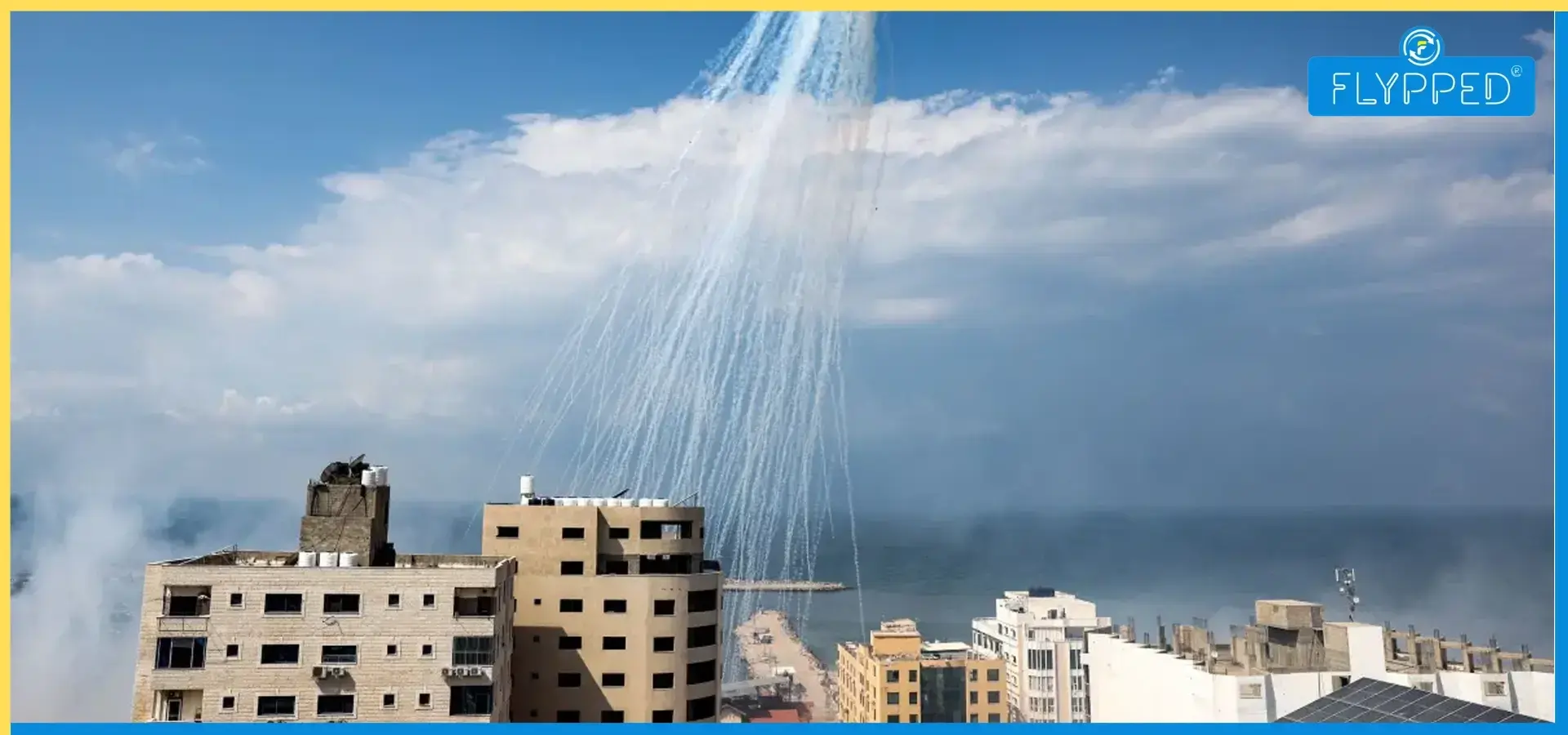
The Israeli military is facing criticism regarding the use of white phosphorus munitions over residential areas in southern Lebanon. Based on reports, artillery shells burst above the houses of Yohmor on March 3.
According to Human Rights Watch, the use of this flammable substance in crowded neighbourhoods has become a serious concern.
It says that white phosphorus powder is highly dangerous because it ignites when exposed to oxygen and can cause fires and serious burns.
HRW Claims White Phosphorus Attack by Israeli Military on Lebanon
Based on HRW (Human Rights Watch) verification and the location of seven images, it showed the bursting of white phosphorus shells in the air over Yohmor’s residential area in Lebanon.
The images also reveal the efforts of civil defence workers to extinguish fires in two houses and a nearby vehicle.
Israeli Attacks on Lebanon: WP Pattern Seen in Blast Photo
Israel-Iran war update: Regarding the recent use of white phosphorus by the Israeli military, a photograph posted on Telegram on March 3 revealed explosions of two munitions in midair above the town.
According to analysts, the shape of the smoke clouds resembled the knuckle pattern of the M825-series 155mm artillery projectile, which contains white phosphorus.
Israel's Use of White Phosphorus: Lebanon Researcher Calls it Unlawful Use
Referring to Israel’s use of white phosphorus on residential areas, Lebanon researcher Ramzi Kaiss at Human Rights Watch, calls it an unlawful use and finds this alarming as it poses a life threat for civilians.
Why is White Phosphorus Dangerous?
- The one big reason that proves white phosphorus dangerous is that it gets scattered via artillery shells, rockets, and bombs.
- Once it comes into contact with the air, it quickly catches fire and burns fiercely.
- According to Human Rights Watch, the use of white phosphorus in crowded places is hazardous because it spreads burning fragments widely, which can severely harm people.
- It continues to burn until the oxygen is depleted, making it difficult to stop fires. The smoke it emits can harm your lungs and eyes if inhaled.
- The burning particles spread very fast in the wider area.
- WP is a waxy and highly reactive chemical made from phosphorus.
- Generally, its storage takes place underwater as it can easily come in contact with oxygen in the air. And when exposed, it produces thick white smoke and intense heat.
- The substance finds its best use in military applications, utilised for hiding troop movements, marking targets, and as flammable munitions.
Iran and Israel War News: WP Incident Comes Amid Hostile War Conditions
The incident of the use of white phosphorus by the Israeli military in Lebanon has come amid the hostile conditions between Israel and Hezbollah.
Based on Lebanon’s health ministry statement, around 217 people have died since March 2, forcing many to leave their homes.
The evacuation orders issued by Israel in large numbers in southern Lebanon and parts of Beirut have triggered panic among civilians as the conflict is still on the rise.
For Hindi Reader, Please Click for aaj ki khabar
Stay Updated with the Latest on Flypped
- Tehran International Airport was hit by Israeli airstrikes
- Delhi's Uttam Nagar On Edge After Holi Killing Sparks Tensio
- UPSC Final Result 2025 Declared: Anuj Agnihotri Secures AIR 1
For more news updates, follow the Flypped Side of English News
Frequently Asked Questions
Find answers to common questions about this topic
White phosphorus is a chemical that catches fire when it comes into contact with air and produces thick white smoke and intense heat.
It can cause severe burns, start fires, and release smoke that irritates the eyes and lungs.
It is commonly used in artillery shells, bombs, or rockets to create smoke screens, mark targets, or start fires.
Because burning fragments can spread over a wide area and may harm civilians and damage homes.
It is not completely banned, but its use in civilian areas is widely criticized and restricted under international humanitarian law.