PM Modi Announces Exam Reforms: Nandan Nilekani to Lead PM\'s New Exam Reform Task Force
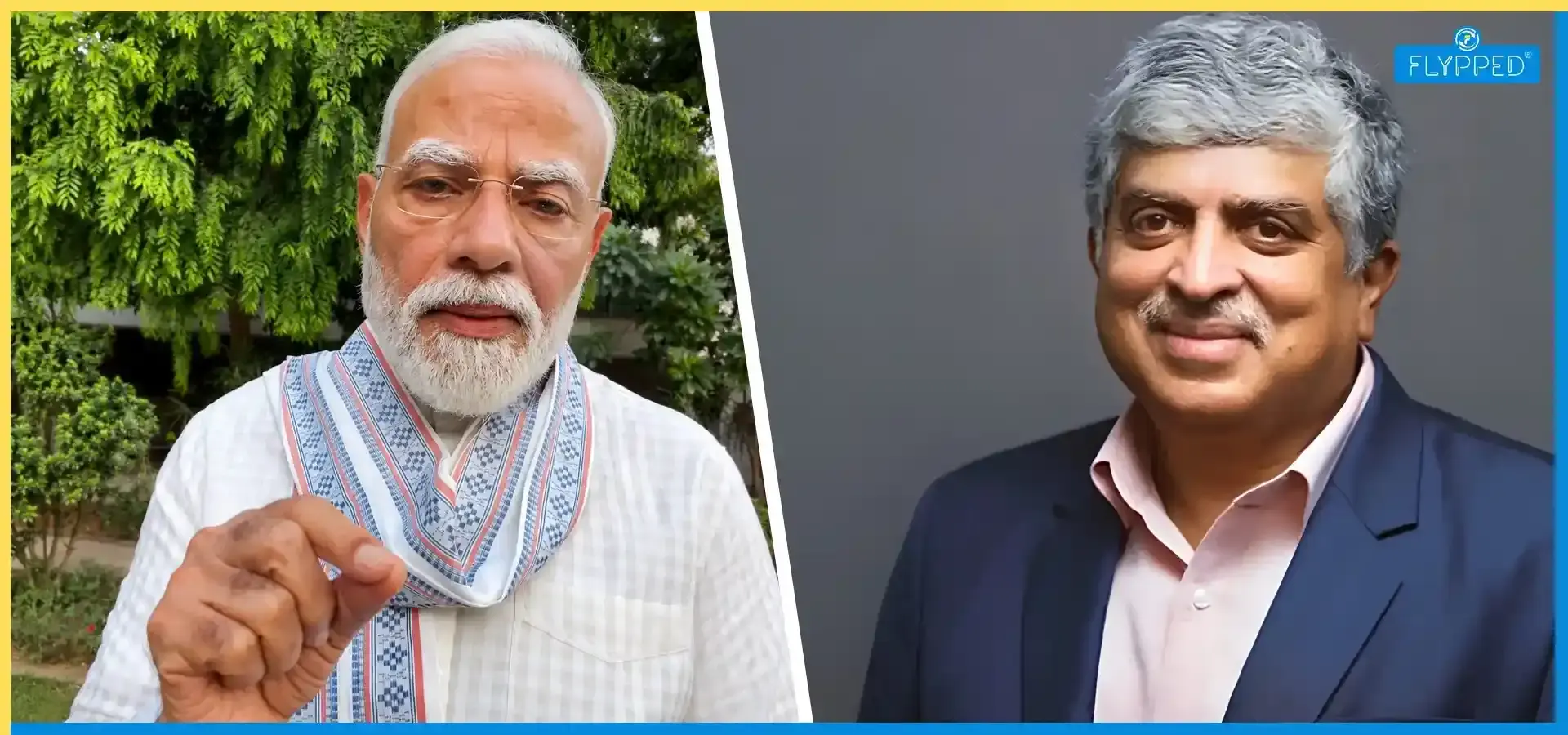
PM Modi announces Exam Reforms: On Sunday, Prime Minister Narendra Modi announced a new task force headed by Infosys co-founder Nandan Nilekani. The group will suggest ways to improve India\'s examination system.
In a video message on X, the Prime Minister said the government is working to protect students\' futures. He added that those who "played with the future of students" have been jailed.
NOTE: Stay informed with the latest breaking news, current affairs, top headlines, and latest updates from across the globe.
PM Modi Announces Exam Reforms: Vows to Restore Trust in Examinations with Strict Law and Long-Term Reforms
PM Modi Latest News: The Prime Minister said the government has set up a fast-track court and plans to bring a new law to Parliament with strict rules to address problems in the examination process.
He called for long-term reforms and said the government is working to improve the reliability and transparency of exams by leveraging technology.
Exam System Reform in India: Task Force Begins Work on Exam Reforms; Trustworthy Exams in Focus
PM Modi announces Exam Reforms: The task force will work on exam reforms and share its suggestions soon. The government plans to follow the panel\'s advice to make future exams more trustworthy.
The group was created to improve National Testing Agency (NTA) exams and includes experts from different fields who will focus on using technology and recommending changes.
National Testing Agency (NTA) Reforms: Top Experts Join Government Task Force to Overhaul India\'s Examination System
Nandan Nilekani Latest Update: Members are technology expert Nandan Nilekani, former ISRO Chairman S Somnath, former IB Director Tapan Deka, IIT Madras Director V. Kamakoti, former Education Secretary Anita Karwal, and logistics expert Amrit Lal Meena.
The panel was formed a day after Dharmendra Pradhan resigned as Union Education Minister, after almost seven weeks of CJP-led student and youth protests over paper leaks that began at Jantar Mantar and spread across the country.
Paper Leak Prevention: Government Moves to Curb Exam Malpractices with New Amendment Bill
The protest started on June 20 and grew after police took action against demonstrators on July 20.
It later gained support from student groups and activists, including Wangchuk, who went on a long hunger strike for the cause.
PM Modi announces exam reforms: The Union government plans to present the Public Examinations (Prevention of Unfair Means) Amendment Bill, 2026 in the Lok Sabha on Monday, July 27.
Secure Examination System: Anti-Exam Fraud Bill Proposes Tougher Punishments, Fast-Track Courts
The bill aims to strengthen laws against exam fraud by adding tougher punishments, setting deadlines for investigations and trials, and creating special fast-track courts for quicker justice.
It is designed to stop organised exam fraud and restore trust in the country\'s public examination system.
Team of High-Powered Task Force
Nandan Nilekani, Infosys co-founder
- He can improve technology and data security.
- Since he has worked on digital systems like Aadhaar and UPI, he could build a secure exam platform that protects against hacking and data leaks.
- This would keep examinees\' information safe and use AI-based biometric checks to catch impersonators.
Tapan Deka, Former Director, Intelligence Bureau
- He can recommend creating intelligence networks and using real-time cyber monitoring to prevent exam mafias and paper-leak groups.
- These measures would help detect suspicious activities early and enable thorough security checks at exam centres.
Anita Karwal, Former Education Secretary
- She brings valuable experience in academic reforms and student policy.
- As a former chairperson of the CBSE, she can suggest improvements for grace-mark policies, help address objections to answer keys, and set clear standard operating procedures for examination centres.
- These steps would make the evaluation process more transparent and help students get quick and fair solutions to their concerns.
V Kamakoti, IIT Madras Director
- Kamakoti works to protect the software and servers used for computer-based tests (CBTs) from cyberattacks.
- AI can mix up the order of questions and quickly update each computer when needed.
- These measures make it more difficult for people to cheat by hacking local servers or sharing screens at exam centres.
Amrit Lal Meena, Logistics Expert
- Meena can help set up secure logistics for printing, storing, and moving question papers.
- For example, GPS tracking and containers with digital locks that open only at the right time and place can be used.
- These measures help prevent issues like missing papers or people taking photos without permission.
S Somanath, Former Chairman, ISRO
- Somanath has strong experience in managing error-free processes and cyber intelligence.
- He can introduce extra safety measures and set high standards for exam procedures, much like those used in space missions.
- By carefully checking each step, from preparing question papers to announcing results, mistakes or technical issues would be very rare.
Read More:
- Sonam Wangchuk Ends 26-Day Hunger Strike: Govt Promises Talks on Paper Leak
- PM Modi Action Against Paper Leaks: Announces Fast-Track Courts
- Dharmendra Pradhan slams Rahul Gandhi, Says He wants Headlines, Not Solutions
- US Strikes on Iran: Trump Targets Iran\'s Military, Including Bushehr and Tabriz
- 4 Indians Killed in Ukraine Ship Attack at Ukraine’s Odesa Port Amid Russia-Ukraine War
- CJI Surya Kant Cockroach Remark Trends Again Amid CJP Parliament March
- Donald Trump Biography
- Sonam Wangchuk\'s 3 Conditions to End Hunger Strike Written in Hospital Note
- Sonam Wangchuk Hunger Strike Day 20 Doctors Warn of Organ Failure Risk During Protest Fresh Health Concerns