Benefits of Sweating: Why Sweating Is Good for Your Health and Skin
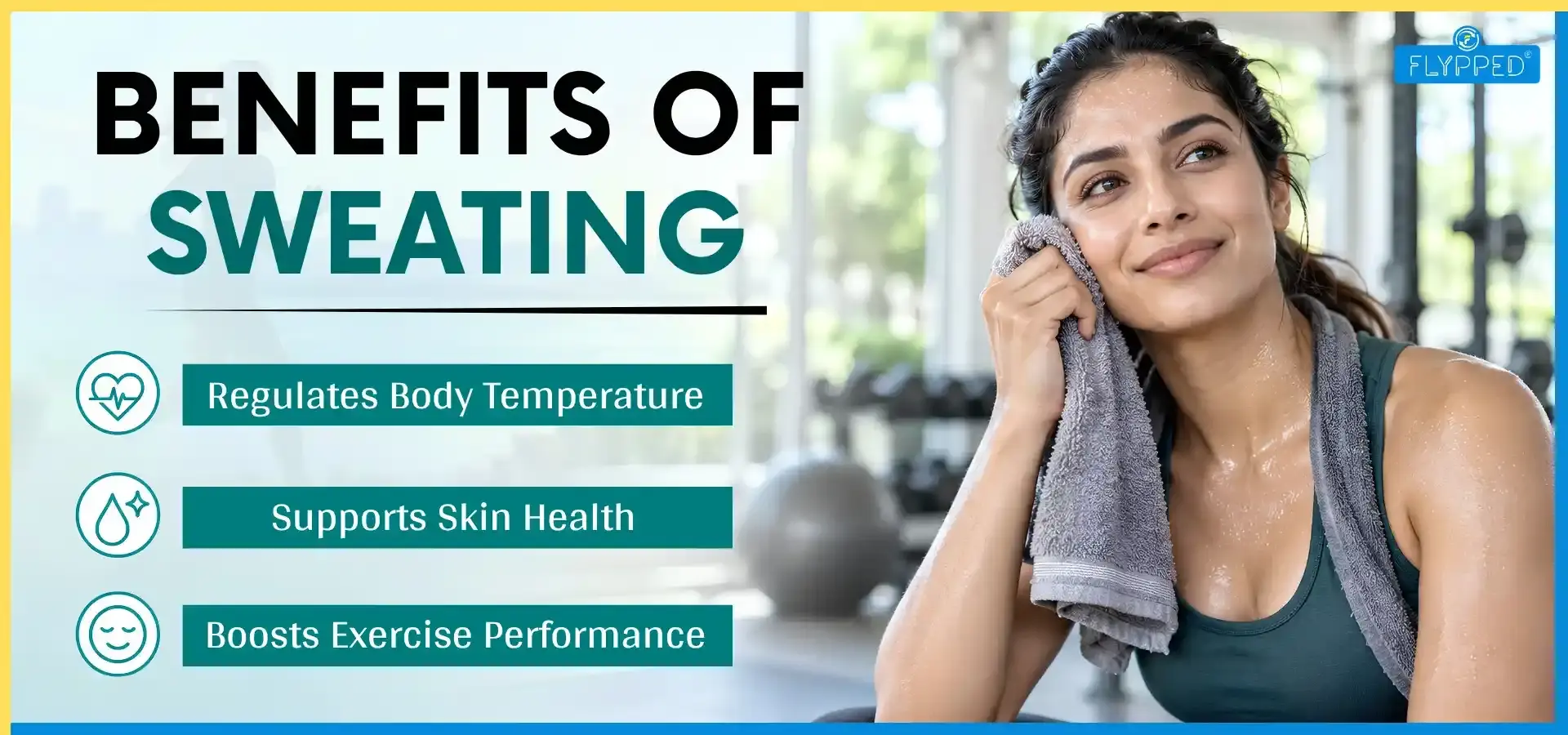
Have you ever noticed that your face is sweating after a hard workout or even after a brief walk?
Although some people believe sweating is bad for the skin, it actually benefits the skin and is good for your health.
Therefore, if your shirt becomes soaked at the gym or when you're outside, just remember that your body is carrying out its normal functions.
If you have been unaware of benefits of sweating, then this guide is must-read for you.
Why Sweating Is Important for Your Body
Health Gains from Sweating
One of the primary benefits of sweating is its crucial role in regulating body temperature. If you're exercising or simply feeling warm, sweat is your body's way of cooling down.
This mechanism not only helps maintain your core temperature but also supports better heart health.
Regular sweating can enhance circulation and improve the overall function of your heart.
Sweating and Skin Health
Beyond its health benefits, sweating is essential for skin care. As sweat evaporates, it helps to unclog pores and wash away dirt and impurities.
This natural cleansing action can lead to healthier skin and a brighter complexion.
Just remember, it's important to cleanse your skin after sweating to avoid any buildup of sweat and bacteria.
Exercise and Sweating
When it comes to exercise, sweating becomes even more beneficial. The advantages of sweating during exercise include better endurance and efficient cooling of your body.
Staying hydrated is key to this process because dehydration can lead to fatigue and decreased performance.
Knowing how sweating and hydration work together is essential for getting the most out of your workouts.
Embracing the benefits of sweating can boost your health, enhance your skin, and improve your exercise performance.
The Health Benefits of Sweating
How Sweating Regulates Your Body
Sweating is essential for thermoregulation, which is your body's way of maintaining a stable internal temperature.
When your body heats up—whether from physical activity or hot weather—your sweat glands kick in and release moisture onto your skin.
As this sweat evaporates, it cools you down, preventing overheating and allowing you to stay active comfortably.
This natural cooling mechanism is vital for sustaining longer workouts and ensuring optimal body function.
Boosting the Immune System
Beyond temperature control, sweating has significant benefits for your immune system.
When you sweat, your body helps eliminate toxins and other harmful substances, enhancing your overall health.
This process can also improve circulation, allowing immune cells to travel more efficiently throughout your body.
Toxin removal
Sweating helps get rid of waste products like urea and salts, promoting detoxification.
Enhanced circulation
Improved blood flow during sweating ensures that nutrients and oxygen reach your cells, supporting immune function.
By appreciating these health benefits, you can see sweating as more than just a bodily function—it's a contributor to your overall well-being.
Recognizing the benefits of sweating can help you lead a healthier lifestyle, making it easier to maintain your health and boost your body's natural defenses.
Why Sweating During Exercise Matters
Enhancing Physical Performance
When you exercise, the benefits of sweating become especially noticeable. Sweating is crucial for improving endurance by regulating your body temperature during workouts.
As your body heats up, sweat is released to cool you down.
This cooling effect is essential for maintaining performance levels, allowing you to push yourself harder and longer without overheating.
Staying cool helps prevent fatigue, which means you can sustain your workout for more extended periods.
Adequate sweating also improves blood circulation, ensuring your muscles receive the oxygen and nutrients they need to function optimally.
This connection between sweating and temperature regulation is vital for anyone looking to maximize their exercise performance.
Supporting Recovery and Muscle Repair
The benefits of sweating don't just stop at performance—it also significantly aids in recovery.
After a workout, sweating helps remove metabolic waste products that build up in your muscles.
This process can assist in muscle recovery, allowing your body to heal and rebuild more efficiently.
Understanding how sweating contributes to muscle repair can motivate you to embrace this natural process as part of your fitness routine.
Recognizing these benefits can help you appreciate the role of sweating in enhancing performance and supporting recovery, making it an essential part of your exercise journey.
Benefits of Sweating for Skin
Natural Cleansing Action
Sweating acts as a natural cleansing method for your skin. When sweat is released, it helps unclog pores by flushing out dirt, oil, and impurities that accumulate throughout the day.
With clearer pores, your skin can breathe better and may be less prone to acne and blemishes.
Regular sweating can lead to noticeable improvements in skin clarity and texture, giving you a healthier, more radiant look.
In addition to removing impurities, sweating boosts blood circulation, nourishing skin cells.
This enhanced blood flow brings oxygen and essential nutrients, contributing to overall skin health.
Engaging in activities that promote sweating can be a key factor in maintaining a vibrant complexion.
Hydration and Skin Appearance
The link between sweating and skin hydration is vital for maintaining a youthful appearance.
While sweating helps retain moisture in your skin, it’s important to replenish fluids lost during this process. Failing to hydrate can lead to noticeable dehydration signs.
After sweating, you might encounter symptoms like:
- Dry Skin: A lack of hydration can make your skin feel rough and parched.
- Increased Wrinkles: Dehydrated skin can lead to fine lines and wrinkles, making you seem older than you're.
Keeping your hydration levels in check is crucial, not just for your health but also for preserving skin elasticity and smoothness.
| Aspect | Sweating Benefits | Risks of Lack of Sweating |
| Skin health | Improves clarity | Acne and blemishes |
| Hydration levels | Maintains balance | Dryness and irritation |
| Body temperature | Regulates heat | Risk of overheating |
Understanding the benefits of sweating for your skin can encourage you to appreciate this natural process.
By keeping your skin clean and well-hydrated, you can enhance its appearance and overall health.
Don’t forget to drink plenty of water to support your body’s sweat production and maintain healthy skin.
Sweating and Hydration: The Perfect Pair
Importance of Staying Hydrated
Staying hydrated is essential for effective sweating and overall body function. When you sweat, your body loses water and electrolytes, making it crucial to replenish these fluids.
Proper hydration helps maintain your body temperature during exercise and ensures that sweat can cool you down effectively. Here are some tips to keep your hydration levels up:
- Drink Water Regularly: Try to drink water throughout the day, even if you’re not feeling thirsty.
- Watch Your Urine Color: Light yellow typically indicates good hydration, while darker shades may signal dehydration.
- Include Hydrating Foods: Foods rich in water, such as fruits and vegetables, can contribute to your fluid intake.
By prioritizing hydration, you can maximize the benefits of sweating and enhance your overall well-being.
When Sweating May Be a Sign of a Problem
While sweating is a natural process, excessive sweating can sometimes indicate underlying medical issues.
Conditions like hyperhidrosis can cause excessive perspiration without any apparent trigger.
Other factors contributing to abnormal sweating may include hormonal imbalances, infections, or even stress and anxiety.
If you notice symptoms such as:
- Sweating that Disrupts Daily Life: If sweating interferes with your work or social activities.
- Night Sweats: Experiencing excessive sweating during sleep could point to a medical concern.
- Localized Sweating: Excessive sweating in specific areas might warrant a chat with your healthcare provider.
Don’t hesitate to reach out to a healthcare professional if you experience these symptoms or have concerns about your sweating patterns.
Early intervention can help address potential issues and ensure you're enjoying the full health benefits of sweating.
Wrap-Up
Embracing the benefits of sweating can lead to better health, improved skin, and enhanced exercise performance.
By understanding how our bodies utilize sweat, we can appreciate this natural process more fully and take steps to maintain our hydration and overall wellness.
When you sweat, you're not just cooling down; you're engaging in a vital function that supports various bodily processes.
This natural mechanism helps detoxify your body, promotes healthy skin, and boosts your workout effectiveness.
By keeping your skin clear and your body temperature regulated, sweating helps you feel and look your best.
Maintaining hydration is essential for maximizing the benefits of sweating. Drinking enough water and consuming hydrating foods can replenish fluids lost during perspiration.
It's also important to recognize the signs of dehydration after sweating, such as dry skin and fatigue. These signals remind you to hydrate and support your body's natural functions.
Incorporating regular exercise into your routine encourages sweating while improving your overall health.
Engaging in physical activities not only enhances your fitness but also allows your body to reap the many benefits of sweating.
Listen to your body, and consult a healthcare professional if you notice any unusual sweating patterns.
By understanding why we sweat and how it helps the body, you can embrace this natural process.
Make sweating a part of your wellness journey, and you're likely to see positive effects on your health, skin, and overall fitness.
Frequently Asked Questions
Find answers to common questions about this topic
No, sweating does not directly burn fat. Sweating mainly helps the body cool down and causes temporary water loss. Fat loss occurs when the body uses more energy than it consumes, usually through regular physical activity and a balanced diet.
The hypothalamus, a part of the brain, helps regulate body temperature and controls sweating. It signals the sweat glands through the nervous system when the body needs to cool down.
There is no specific vitamin proven to reduce excessive sweating. Excessive sweating may have several causes, and treatment depends on the underlying reason. If sweating is frequent or severe, consult a healthcare professional rather than relying on vitamin supplements.
Excessive sweating can occur with conditions such as hyperhidrosis, thyroid disorders, diabetes, infections, low blood sugar, and some neurological or hormonal conditions. Certain medications can also cause increased sweating. Persistent unexplained sweating should be evaluated by a doctor.
Yes. Sweating is an important natural process that helps regulate body temperature and prevent overheating. However, sweating itself does not detoxify the body or automatically indicate a healthier workout. Staying hydrated is important when you sweat heavily.