
Ayurvedic Treatment for Vitiligo: Symptoms, Causes & Natural Remedies
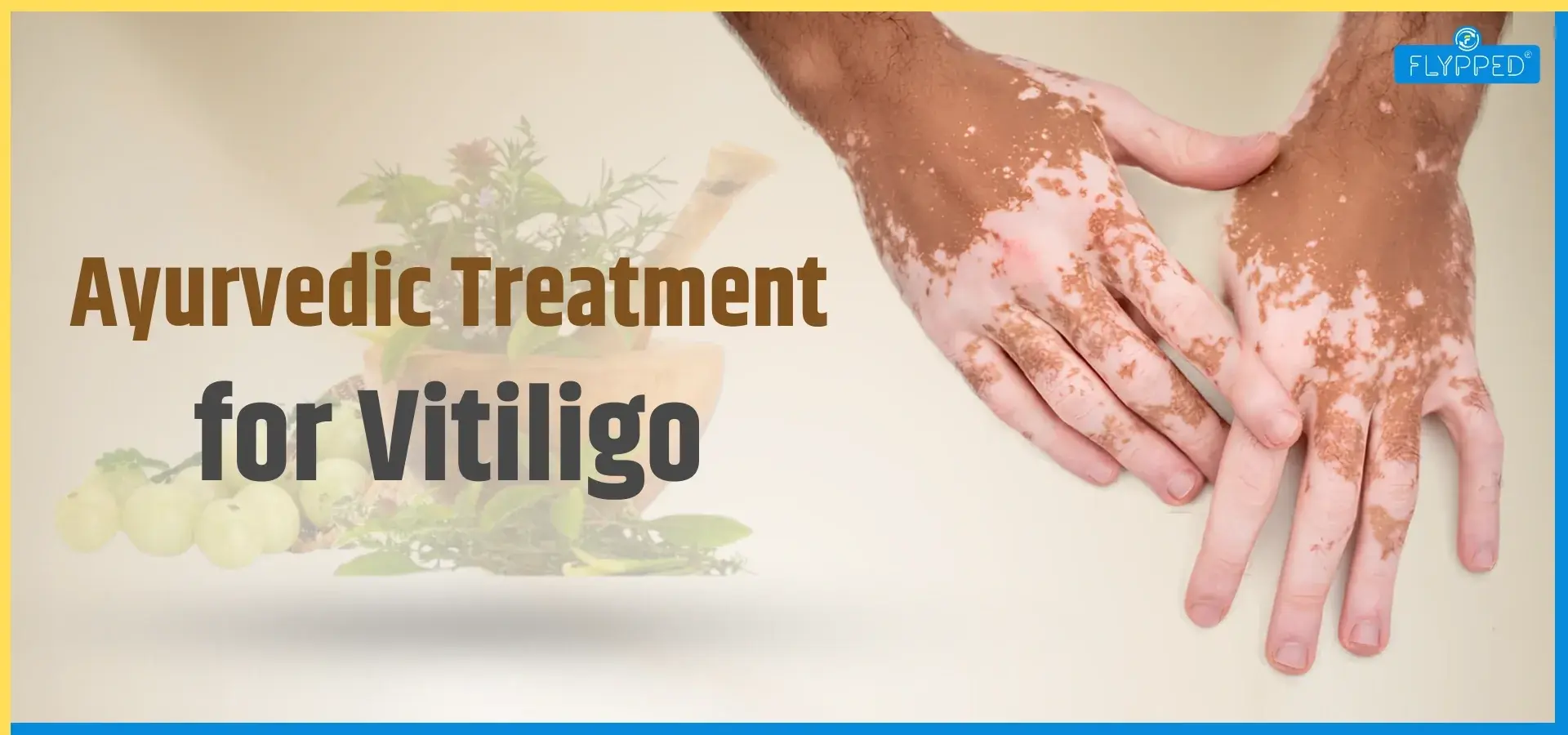
Vitiligo is more than a cosmetic concern. For the millions of people who live with it, the appearance of white patches on the skin can affect confidence, relationships and mental well-being. While modern dermatology offers several management options, a growing number of patients are turning toward ayurvedic treatment for vitiligo as a holistic, root-cause approach to restoring skin pigmentation and internal balance. Ahead we\'ll explore what vitiligo is, why it spreads and how Ayurveda addresses it through herbs, diet and lifestyle correction.
NOTE: Explore health and fitness news, workout guides, nutrition advice, and more from our latest updates.
What is Vitiligo?
The World Health Organization (WHO) classifies vitiligo as an acquired chronic disorder of the skin and mucous membranes. It is characterized by the progressive loss or destruction of functioning melanocytes (pigment-producing cells), which results in depigmented, smooth white macules and patches across the body. It is classified as one of the autoimmune skin disorders, meaning the body\'s own immune system mistakenly attacks melanocytes (pigment-producing cells).
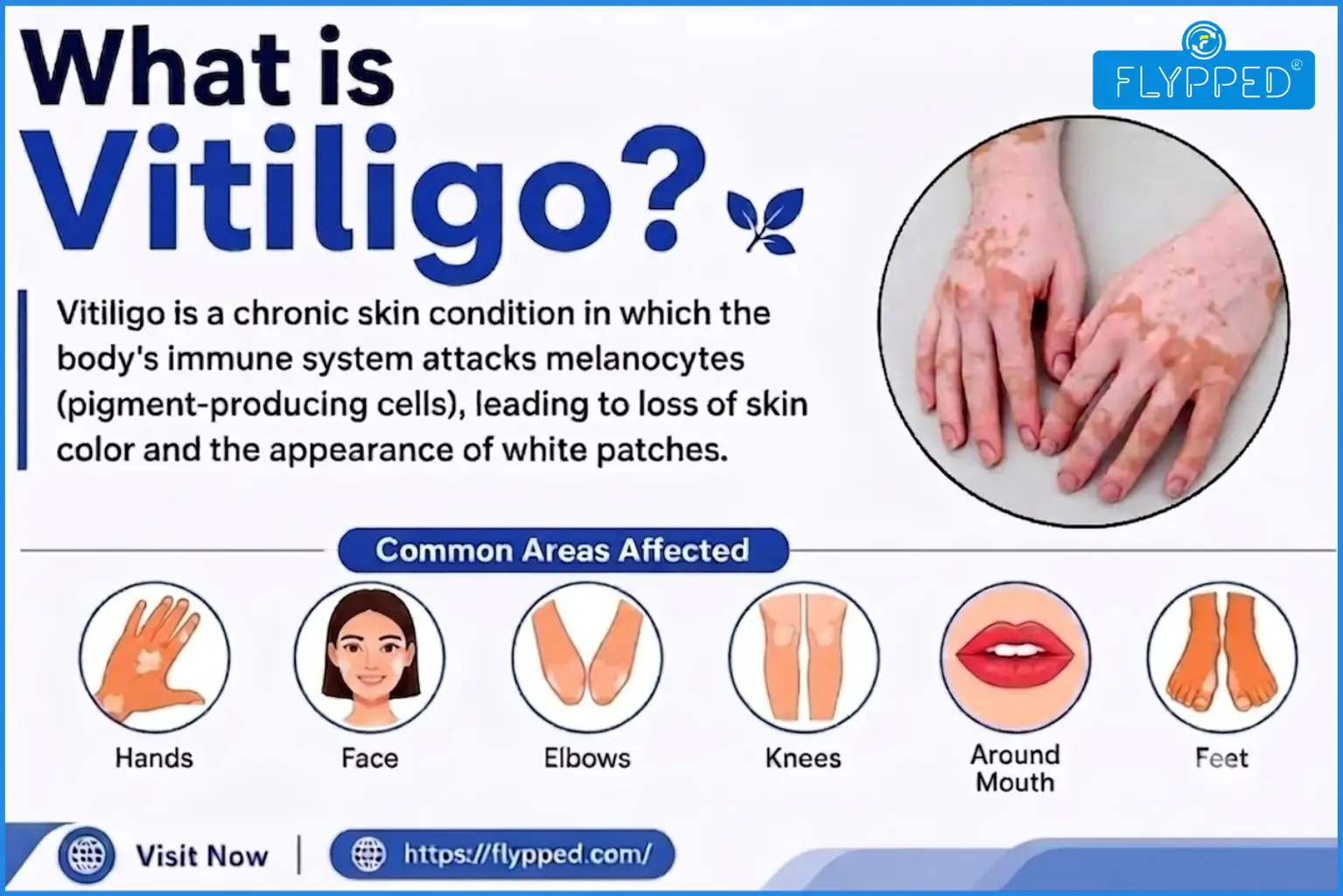
While modern dermatology offers treatments such as topical medications and phototherapy to help restore pigmentation, many people also explore Ayurveda as a complementary approach to support overall skin health and well-being. According to Ayurvedic principles, vitiligo (Shwitra) is associated with imbalances in the body\'s doshas and digestive function. Ayurvedic management typically combines herbal preparations, dietary guidance and lifestyle modifications.
Starting Symptoms of Vitiligo You Should Not Ignore
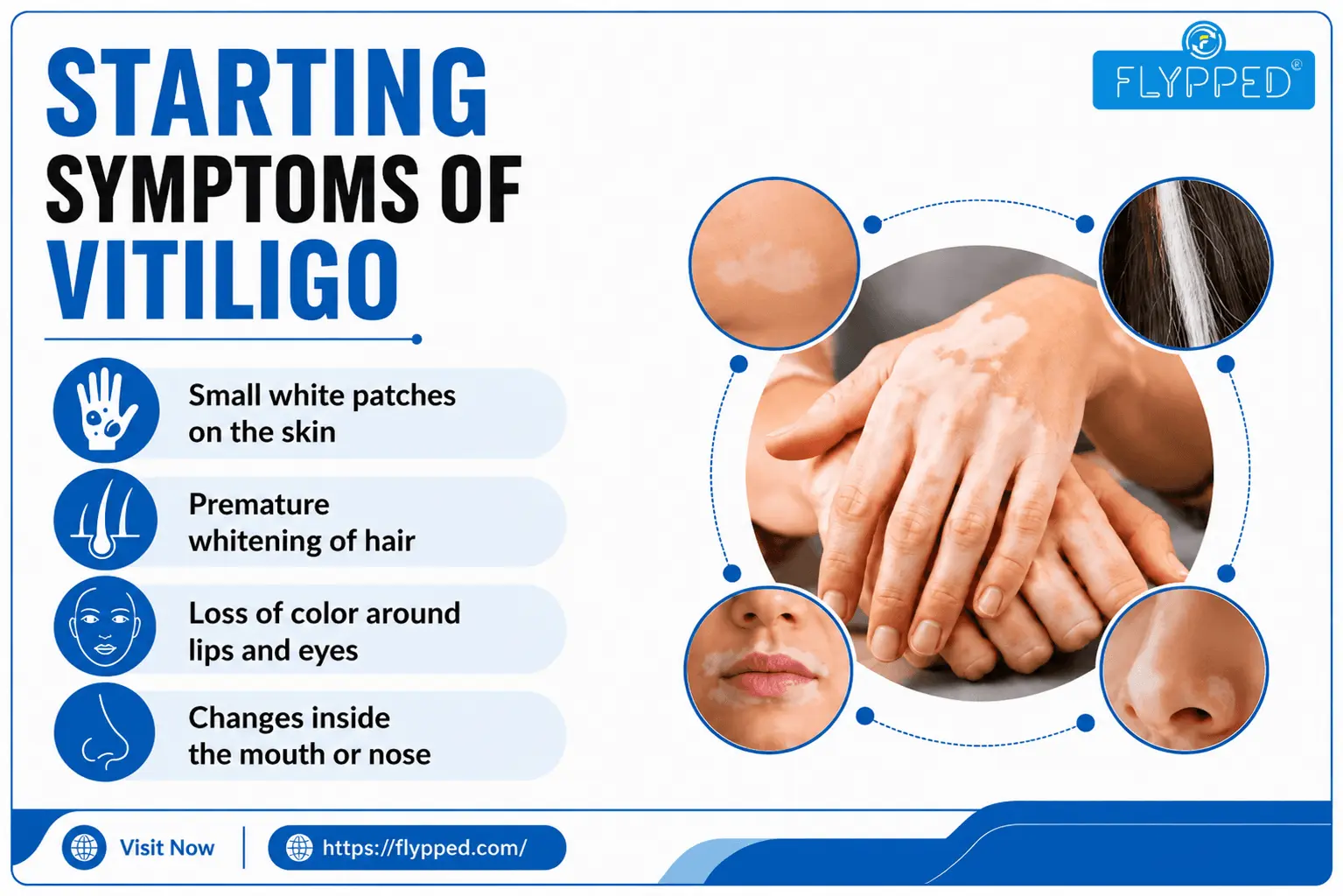
Catching vitiligo early can make a real difference in how effectively it\'s managed. Here are the starting symptoms of vitiligo that are often overlooked in the initial stages.
- Small white patches on the skin: The earliest and most common sign is the appearance of flat, pale or milky-white patches, usually starting on sun-exposed areas like the face, hands and neck. These patches may be small at first and gradually enlarge.
- Premature whitening of hair: Hair on the scalp, eyebrows, eyelashes or beard may turn white or grey earlier than expected. This happens because melanocytes in the hair follicles are also affected.
- Loss of color around lips and eyes: Depigmentation often begins around the mouth, eyes, nostrils and genitals areas rich in mucous membranes before spreading elsewhere.
- Changes inside the mouth or nose: In some cases, the mucous membranes inside the mouth and nose lose color as well, which is a lesser-known but important early indicator.
When should you consult a doctor? If you notice any unexplained white patches that don\'t itch or hurt but persist or slowly expand, it\'s wise to consult a dermatologist or an Ayurvedic physician promptly. Early diagnosis allows for timely intervention which can help slow progression and improve treatment outcomes.
What Causes Vitiligo to Spread?
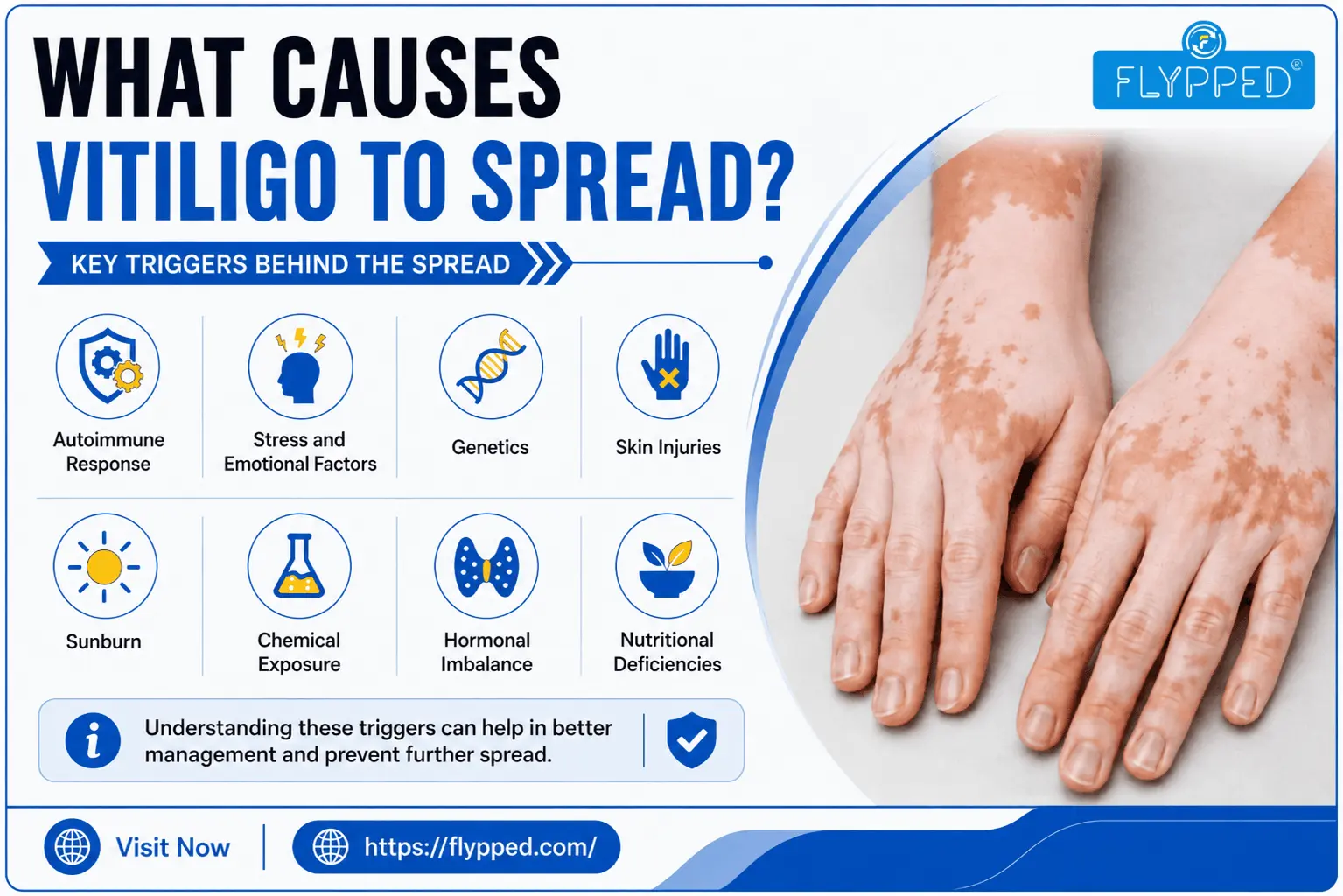
Understanding what causes vitiligo to spread is essential for managing the condition effectively. Several internal and external triggers can accelerate depigmentation.
- Autoimmune response: The immune system attacking melanocytes is considered the primary driver behind vitiligo\'s onset and progression.
- Stress and emotional factors: Chronic stress can disturb hormonal and immune balance often triggering new patches or worsening existing ones.
- Genetics: A family history of vitiligo or other autoimmune conditions increases susceptibility.
- Skin injuries: New patches can develop at the site of cuts, burns or friction, a reaction known as the Koebner phenomenon.
- Sunburn: Excessive sun exposure without protection can damage the skin and trigger further pigment loss.
- Chemical exposure: Exposure to certain industrial chemicals has been associated with depigmentation in some individuals, although this is not a cause in most cases of vitiligo.
- Hormonal imbalance: Thyroid disorders and other hormonal irregularities are commonly seen alongside vitiligo.
- Nutritional deficiencies: Some studies have reported an association between deficiencies in nutrients such as vitamin B12, folate, zinc and copper and vitiligo. However, research is ongoing, and these deficiencies are not considered a direct cause of the condition.
Ayurvedic Perspective on Vitiligo
According to Ayurveda, vitiligo (Shwitra) is associated with an imbalance of the three doshas (Vata, Pitta and Kapha), impaired digestion (Agni) and the accumulation of Ama (metabolic toxins). These concepts are part of traditional Ayurvedic medicine and differ from the explanations used in modern biomedical science.
Rather than treating vitiligo as merely a skin-deep issue, Ayurveda views it as a reflection of deeper systemic imbalance. This is why ayurvedic treatment for vitiligo focuses on correcting digestion, purifying the blood, balancing doshas and strengthening immunity, not just applying external remedies.
Ayurvedic Treatment for Vitiligo: Common Treatment Options
Ayurvedic management generally focuses on improving overall health through herbal formulations, dietary modifications, detoxification therapies (Panchakarma) and lifestyle changes. While some patients report improvements, scientific evidence regarding effectiveness remains limited, and treatment should always be supervised by a qualified Ayurvedic practitioner. These therapies are usually customized after an assessment of the patient\'s dosha imbalance, digestive strength, and disease progression.
Ayurvedic Remedies for Vitiligo
Several time-tested Ayurvedic remedies for vitiligo are commonly recommended alongside professional treatment:
- Turmeric with mustard oil: Applied topically, this combination is traditionally used to stimulate pigment cells.
- Ginger juice: Regular application is believed to improve blood circulation in affected areas.
- Red clay (Gerimitti) with ginger juice: A traditional remedy said to help restore pigmentation over time.
- Copper-infused water: Drinking water stored overnight in a copper vessel is thought to support melanin synthesis due to trace copper content.
It\'s important to remember that these home-based remedies work best as supportive measures alongside supervised Ayurvedic treatment, not as standalone cures.
Bakuchi for Vitiligo: Benefits, Uses and Precautions
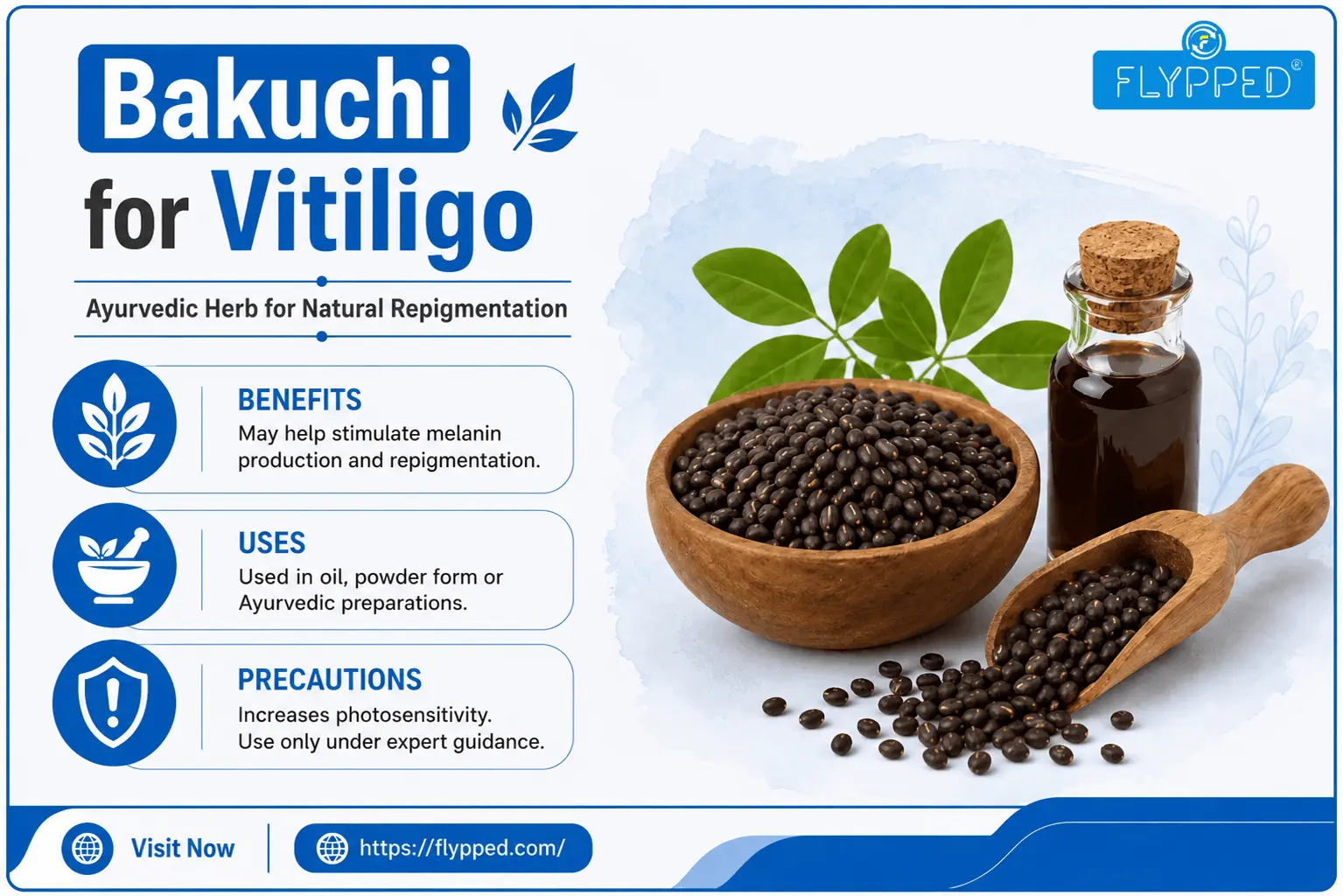
Among all Ayurvedic herbs, Bakuchi for vitiligo (Psoralea corylifolia) holds a special place and is one of the most researched natural ingredients for pigmentation disorders.
- Benefits: Bakuchi seeds contain psoralen compounds, which are believed to promote melanocyte stimulation and repigmentation when combined with controlled sun exposure.
- Uses: Bakuchi is used in oil form for external applicationas a powder mixed with other herbs or in specially formulated Ayurvedic preparations.
- Precautions: Because Bakuchi increases photosensitivity, it must be used under professional guidance, as improper or excessive use can cause skin irritation, blistering or burns. Self-medicating with Bakuchi is strongly discouraged.
Neem Benefits for Skin in Vitiligo Care
The neem benefits for skin are well documented in Ayurvedic tradition, particularly for its blood-purifying and antimicrobial properties. Neem is believed to help detoxify the blood (Rakta Shodhana), which Ayurveda considers essential in managing vitiligo. It\'s often used in the form of neem leaf paste, neem oil or as part of internal detox formulations. Neem\'s anti-inflammatory nature also helps maintain overall skin health, reducing the risk of secondary infections in sensitive, depigmented areas.
Best Food for Vitiligo: Diet Tips According to Ayurveda
Diet plays a central role in Ayurvedic management. Here\'s a general guide to the best food for vitiligo based on Ayurvedic principles.
Foods to include
- Bitter gourd, turmeric and other detoxifying vegetables
- Whole grains like brown rice and barley
- Copper-rich foods such as nuts and seeds
- Fresh fruits, especially those rich in antioxidants
- Adequate water intake to support internal cleansing
There is currently no strong scientific evidence that vitamin C-rich foods worsen vitiligo. A balanced diet containing fruits, vegetables, lean proteins and whole grains is generally recommended to support overall health.
Ayurvedic Treatment vs Modern Medical Treatment for Vitiligo
Ayurvedic Skin Treatment Ayurvedic skin treatment for vitiligo focuses on internal detoxification, herbal formulations and lifestyle changes to address the root cause. | Modern Medical Treatment Modern dermatological treatments such as topical corticosteroids, calcineurin inhibitors and narrowband UVB phototherapy have stronger clinical evidence for promoting repigmentation in suitable patients. Ayurveda may be used as a complementary approach, but patients should discuss any combination of treatments with their healthcare providers. |
Many patients today opt for an integrative approach combining Ayurvedic dietary and herbal support with modern therapies under the guidance of qualified practitioners from both fields.
Myths and Facts about Ayurvedic Treatment for Vitiligo
| MYTHS | FACTS |
|
|
Vitiligo Treatment in India
India has a long-standing tradition of Ayurvedic medicine and vitiligo treatment in India attracts patients from across the world seeking natural, personalized care. Numerous Ayurvedic hospitals and wellness centers across the country offer specialized Panchakarma therapies, herbal formulations and dietary consultations specifically designed for pigmentation disorders, often combining classical texts with contemporary clinical experience.
When Should You See a Doctor?
Whether you\'re exploring Ayurvedic or modern treatment, it\'s important not to delay professional consultation. See a doctor or qualified ayurvedic practitioner or qualified dermatologist if white patches spread rapidly, involve the eyes or mucous membranes or are accompanied by symptoms of another autoimmune condition such as thyroid disease.
Read More:
Frequently Asked Questions
Find answers to common questions about this topic
Ayurvedic treatment may help manage symptoms and support repigmentation in some patients, but outcomes vary and there is currently no guaranteed permanent cure supported by high-quality clinical evidence.
The response to Ayurvedic treatment varies widely. Some individuals may notice gradual changes over several months, while others may experience little or no improvement.
Bakuchi oil should only be used under the guidance of a qualified healthcare professional because it can cause severe skin irritation if used incorrectly.
There is no strong scientific evidence that citrus fruits worsen vitiligo. Dietary recommendations should be individualized based on nutritional needs and, if following Ayurveda, guidance from a qualified practitioner.
Having a family history may increase the risk, but many people with vitiligo have no affected relatives.