
Paracetamol Tablets: Uses, Benefits, Side Effects and Dosage
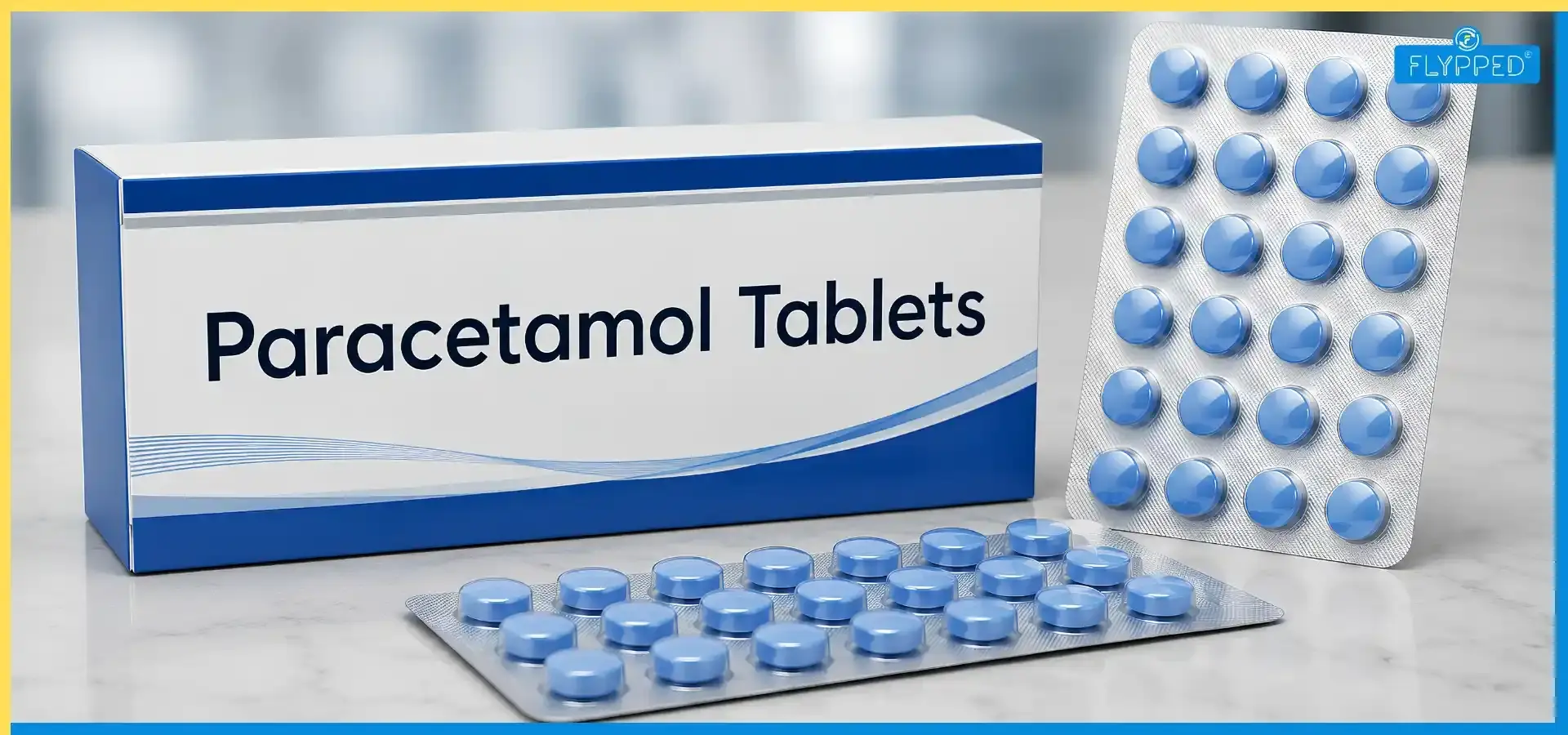
Paracetamol tablets are among the most widely used over-the-counter medicines in the world, trusted by households for everything from a mild headache to a high fever. Yet despite how common this medicine is, many people still have questions about the right dose, possible side effects and when it\'s safe to use. This blog brings together the latest, medically accurate information on paracetamol tablets so you can use them safely and confidently.
NOTE: Explore health and fitness news, workout guides, nutrition advice, and more from our latest updates.
What Are Paracetamol Tablets?
Paracetamol (known as acetaminophen) is an analgesic and antipyretic medicine, meaning it relieves pain and reduces fever. It has been used safely for decades and is available without a prescription in most countries, usually in 500mg or 650mg tablet strengths.
How do Paracetamol Tablets work in the body?
Paracetamol works mainly by acting on the central nervous system. It\'s believed to reduce the production of prostaglandins, chemical messengers in the brain that trigger pain signals and raise body temperature during illness. Unlike ibuprofen, paracetamol has very little effect on inflammation, which is why it\'s classified separately from anti-inflammatory painkillers. It typically starts working within 30 to 60 minutes and its effects can last four to six hours.
Paracetamol Tablets Uses
Paracetamol tablets are versatile and are used to manage a wide range of everyday symptoms.
Paracetamol for fever
Paracetamol for fever is one of its most common uses. It helps lower body temperature during infections such as flu, viral illness or after vaccinations by acting on the part of the brain that regulates temperature.
Paracetamol for headache
For tension headaches and mild migraines, paracetamol for headache relief is often a first-line option because it\'s gentle on the stomach compared to NSAIDs.
Paracetamol for cold
During a common cold, paracetamol for cold symptoms helps ease the body aches, mild fever and general discomfort that often accompany congestion and a sore throat.
Paracetamol for sore throat
Paracetamol for sore throat provides temporary pain relief by reducing the discomfort of swallowing though it doesn\'t treat the underlying cause, whether viral or bacterial.
Other common uses
Beyond these, paracetamol tablets are also commonly used for body pain, toothache, muscle pain, menstrual cramps and post-vaccination fever in both children and adults.
How to Take Paracetamol
Knowing how to take paracetamol correctly is just as important as knowing when to take it.
- Swallow tablets whole with a glass of water and can be taken with or without food.
- Space doses at least 4 hours apart and never take another dose earlier just because pain or fever persists.
- Do not combine multiple products that contain paracetamol at the same time such as a painkiller and a cold-and-flu remedy since this raises overdose risk.
- Do not use paracetamol for more than 3 days for fever or pain without medical advice.
- Always check the label of the specific product as strengths and instructions can vary by brand and formulation.
- The most common and widely prescribed brands include Dolo, Calpol and Crocin, all of which are easily accessible at local pharmacies and online medical platforms.
Paracetamol Dosage
Paracetamol dosage for adults
For adults and children over 12, the typical paracetamol dosage for adults is one or two 500mg tablets every 4 to 6 hours, not exceeding 4 grams (8 tablets of 500mg) in 24 hours. People weighing under 50kg may need a lower maximum dose, so it\'s worth checking with a pharmacist or medical professional.
Paracetamol dose for children
The paracetamol dose for children is generally calculated by weight rather than age alone, typically around 15mg per kg of body weight, given every four to six hours, with no more than four doses in 24 hours. Children\'s liquid formulations make precise dosing easier and the packaging or a pharmacist should always be checked before giving paracetamol to infants or toddlers.
Dosage for elderly patients
Elderly patients don\'t usually need a reduced standard dose but because paracetamol clearance can slow with age and frailty, doctors often recommend closer monitoring, especially in those who are underweight or on multiple medications. A doctor\'s guidance is advisable for long-term use in this age group.
Paracetamol Side Effects
Common side effects
At recommended doses, paracetamol is generally well tolerated. Mild side effects can occasionally include nausea, stomach discomfort or a general feeling of unease though these are uncommon.
Rare but serious side effects
In rare cases, paracetamol can cause liver or kidney problems particularly with prolonged use, high doses or in people with existing liver conditions. Blood disorders have also been reported very rarely.
Allergic reactions
Some individuals may experience an allergic reaction which can include skin rash, itching, swelling of the face or throat or difficulty breathing. This requires immediate medical attention.
When should you stop taking it?
Stop taking paracetamol and seek medical advice if you notice a rash, swelling, breathing difficulty, yellowing of the skin or eyes, unusual tiredness or if fever and pain don\'t improve after 3 days of use.
What Happens in a Paracetamol Overdose?
Signs and symptoms
Early signs of a paracetamol overdose can be deceptively mild and may include nausea, vomiting, stomach pain, sweating and general fatigue, sometimes appearing many hours after the overdose was taken.
Why overdose is dangerous
Paracetamol overdose can cause serious, sometimes irreversible liver damage. Because early symptoms can be subtle or even absent, people often underestimate the seriousness of having taken too much delaying the treatment that could prevent liver failure.
What should you do immediately?
If an overdose is suspected, seek emergency medical help immediately even if the person seems fine. Do not wait for symptoms to appear. Take the medicine packaging with you to the hospital as it helps doctors calculate the amount ingested and start appropriate treatment quickly.
Can You Take Paracetamol During Pregnancy or Breastfeeding?
Paracetamol during pregnancy is generally considered the preferred pain and fever reliever and it\'s widely used across all trimesters when needed. That said, it should be taken at the lowest effective dose for the shortest possible time and any use during pregnancy should ideally be discussed with a doctor, especially for regular or prolonged use.
Safety while breastfeeding
Paracetamol during breastfeeding is also generally considered safe since only very small amounts pass into breast milk. It remains one of the more commonly recommended options for nursing mothers who need pain or fever relief.
When should you consult a doctor?
Pregnant or breastfeeding individuals should consult a doctor if they need paracetamol frequently, for more than a couple of days or alongside other medications to rule out any underlying condition needing separate treatment.
Dolo 650 vs Paracetamol
- Dolo 650 is simply a specific brand name for paracetamol formulated at a 650mg strength. In other words, comparing Dolo 650 vs paracetamol isn\'t a comparison between two different medicines, its paracetamol sold under a particular brand.
- The main practical difference is dosage strength and convenience. A 650mg tablet may mean fewer tablets needed per dose compared to standard 500mg paracetamol tablets, which some people find more convenient.
- Choosing between Dolo 650 and a generic 500mg paracetamol tablet often comes down to the dose your doctor recommends and personal preference. Both work the same way in the body, what matters is sticking to the total daily paracetamol limit regardless of brand or strength.
Is Paracetamol an Antibiotic?
A common question is, is paracetamol an antibiotic? The answer is no. Paracetamol is a pain reliever and fever reducer and it has no effect on bacteria and cannot treat bacterial infections.
Antibiotics are prescription medicines used specifically to treat confirmed or strongly suspected bacterial infections such as certain throat, ear or urinary infections. A doctor determines the need for antibiotics through examination or tests, not based on fever alone.
A persistent myth is that paracetamol can cure infections or replace antibiotics when a fever doesn\'t go away. In reality, paracetamol only manages symptoms like pain and fever and does not treat the underlying cause whether viral or bacterial.
Who Should Be Careful While Taking Paracetamol Tablets?
- People with liver disease: Since paracetamol is processed by the liver existing liver conditions raise the risk of toxicity even at standard doses.
- Heavy alcohol consumption: Regular heavy drinking can increase the risk of liver damage when combined with paracetamol.
- Kidney disease: Reduced kidney function may require dose adjustments under medical supervision.
- Elderly patients: Frailty and slower drug clearance mean closer monitoring is often wise for long-term use.
- Individuals taking multiple medicines: Certain medications including some anticonvulsants and blood thinners can interact with paracetamol, so it\'s important to inform a doctor or pharmacist of all current medicines.
Tips for Safe Use of Paracetamol Tablets
- Read the medicine label carefully every time since paracetamol strength varies between products and brands.
- Do not exceed the daily limit of 4 grams for adults and follow weight-based limits for children.
- Store properly in a cool, dry place away from direct sunlight and moisture.
- Keep out of children\'s reach, ideally in a locked cabinet since accidental ingestion is a leading cause of childhood poisoning.
- Consult a doctor if symptoms persist beyond 3 days or if fever and pain don\'t respond to the recommended dose.
Final Thoughts
Paracetamol tablets are a safe and effective option for managing everyday pain and fever when used correctly. The key to safe use lies in respecting the recommended dosage, avoiding accidental double-dosing from multiple products, and knowing when a symptom needs a doctor\'s attention rather than another tablet. When in doubt, a quick conversation with a pharmacist or doctor is always the safest step.
NOTE: This article is for general informational purposes only and is not a substitute for professional medical advice. Always consult a doctor or pharmacist before starting any medication.
Read More: