PM Modi-Putin Bilateral Talks: Su-57 Deal Likely to Feature in Defence Talks
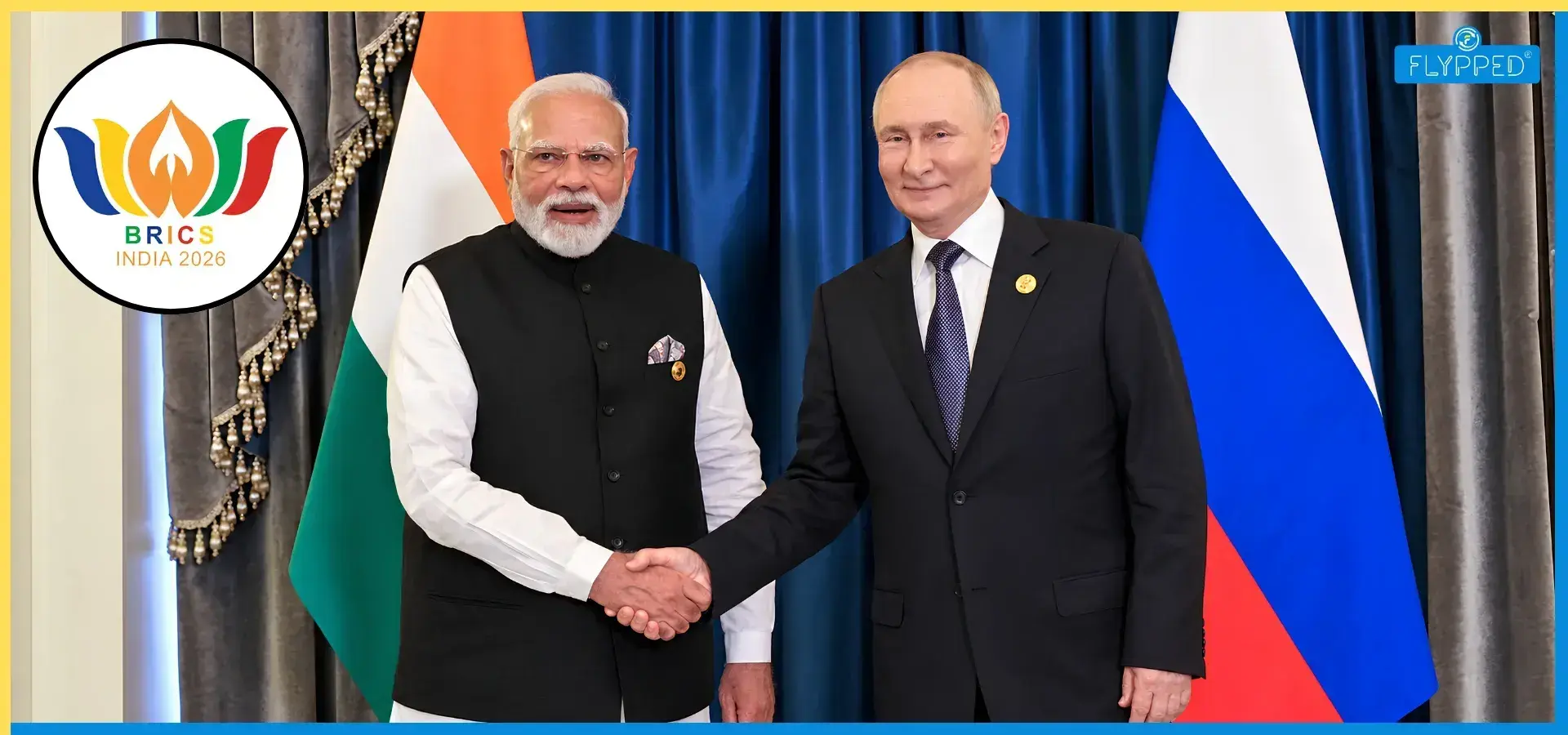
Prime Minister Narendra Modi and Russian President Vladimir Putin are gearing up for vital bilateral discussions on Friday, September 9, 2026.
This meeting comes at a pivotal moment for India-Russia relations, with trade, defence, and international partnerships among the topics on the agenda.
As both leaders look ahead to the upcoming BRICS Summit, the results of their talks could significantly impact their nations' strategic alliances.
NOTE: Stay informed with the latest breaking news, current affairs, top headlines, and latest updates from across the globe.
PM Modi-Putin Bilateral Talks: Su-57 Fighter Jet Talks, Energy Trade, and BRICS Strategy Take Centre Stage
During the PM Modi-Putin meeting, a major focus will be strengthening economic ties, particularly the ongoing negotiations over the potential sale of Su-57 aircraft to India.
These advanced jets could enhance India's defence capabilities, especially considering the current regional security challenges.
Trade relations are also expected to take centre stage, especially given India's rising imports of Russian crude oil, which are crucial to meeting the country's energy needs.
The implications of these discussions reach far beyond just bilateral ties, as they could influence India's role within the BRICS framework.
Both leaders are committed to deepening their collaboration, making this partnership essential for future geopolitical developments.
As the world observes, the outcomes of the PM Modi-Putin bilateral talks may set the tone not only for India-Russia relations but also for broader international cooperation.
What Are India-Russia Relations?
Historical Context
India and Russia have nurtured a partnership that spans decades, evolving significantly since the Cold War era.
This relationship took root in the 1950s, shaped by India’s non-aligned approach and Russia’s support during India’s formative years after independence.
A pivotal moment came in 1971 with the signing of the Treaty of Peace, Friendship, and Cooperation, which cemented their military and economic ties.
Over the years, they have fortified this bond through various defence agreements, along with collaborations in space technology, nuclear energy, and trade.
The end of the Cold War posed certain challenges as India sought to diversify its partnerships.
However, Russia remained a reliable ally, with both nations consistently backing each other on international platforms.
This historical context provides a strong foundation for their current interactions and future collaborations.
Recent Developments
Recent developments in India-Russia relations are particularly significant with the upcoming PM Modi BRICS Summit.
The bilateral talks between Prime Minister Modi and President Putin are set to cover a range of critical issues, including trade and military cooperation.
As India increasingly turns to Russian crude oil to satisfy its energy needs, discussions around energy security will take centre stage.
Su-57 aircraft sale to India: Joint military initiatives, such as the potential sale of Su-57 aircraft to India, underscore the ongoing defence collaboration between the two nations.
This sale could bolster India’s military capabilities and underscore the strategic importance of their alliance.
PM Modi-Putin Latest News: Modi-Putin Talks Focus on Trade Imbalance and Economic Growth
Additionally, both countries are actively exploring ways to enhance economic ties, address trade imbalances, and promote mutual growth.
As PM Modi and Putin's bilateral talks draw near, the focus will be on building on these recent advances and ensuring the partnership remains strong.
The outcomes of these discussions could have significant implications for their relationship and for regional stability. What does this mean in practice?
Key Topics of Discussion in PM Modi-Putin Bilateral Talks
Defense Cooperation
A major focus of the PM Modi-Putin bilateral talks is defence cooperation, particularly the potential sale of Su-57 aircraft to India.
This fifth-generation fighter jet is set to boost India's air combat capabilities significantly.
Leaders are expected to talk about the details of this arrangement, including technology transfers and plans for joint military exercises that strengthen their strategic partnership.
The discussions may also cover collaborative efforts in defence procurement and research, paving the way for more joint military training.
Such initiatives not only enhance defence ties but also support India's development of its own capabilities.
Economic Ties and Trade
The economic aspect of the PM Modi-Putin meeting will be vital, with a focus on India-Russia trade and economic ties.
As India increasingly turns to Russian crude oil imports, energy cooperation will be a key topic.
Both leaders are likely to explore agreements to secure energy supplies and stabilise pricing, which would benefit both economies.
Some key areas of trade that may be highlighted during these discussions include:
- Defence Technology: Collaborations in defence procurement and development.
- Energy Cooperation: Increasing imports of Russian crude oil and exploring new energy projects.
- Agricultural Exports: Opportunities to boost India's agricultural exports to Russia, aiming for a balanced trade relationship.
Peace Initiatives
Prime Minister Modi is also expected to focus on peace initiatives related to the ongoing Ukraine conflict during the talks.
He may call for diplomatic solutions and reiterate India's commitment to promoting dialogue.
In turn, Russia has expressed support for India's efforts, indicating a willingness to work together on diplomatic fronts to address global conflicts.
This part of the discussions underscores the wider implications of the PM Modi-Putin bilateral talks, not just for their relationship but also for regional stability and international diplomacy.
The outcomes could shape how both nations approach global challenges in the future.
Implications for the Future
The upcoming PM Modi Putin bilateral talks are set to shape global geopolitical dynamics in a significant way.
As India and Russia enhance their partnership, other nations might rethink their alliances and partnerships.
This deepening collaboration could alter how they interact with world powers, especially as Western countries grow increasingly cautious about Russia's actions on the international stage.
A strong India-Russia alliance may encourage Western nations to adjust their strategies in Asia.
With India's rising economic and military strength, countries that have historically depended on U.S. support might look to strengthen their ties with India, particularly in energy and defence.
This shift could open up new avenues and challenges on the global front.
As both leaders engage in discussions, the outcomes of the PM Modi-Putin meeting could redefine not just their bilateral relations, but also the broader landscape of global diplomacy.
Set against the backdrop of the PM Modi BRICS Summit, these talks are likely to hold added importance, potentially shaping multilateral cooperation among emerging economies.
Comparison of Defence Agreements
The upcoming PM Modi Putin bilateral talks will shine a light on the evolving defence agreements between India and Russia.
A key discussion point will be the potential transition from the current Su-30MKI aircraft to the advanced Su-57 fighter jet.
Here’s a look at the existing agreements alongside the proposed changes that could emerge from these conversations.
| Feature | Current Agreement | Proposed Changes |
| Aircraft Type | Su-30MKI | Su-57 |
| Technology Transfer | Limited | Enhanced cooperation |
| Joint Exercises Frequency | Annual | Bi-annual |
Aircraft Type
India currently operates the Su-30MKI, a versatile multi-role fighter that has proven effective for the Indian Air Force.
However, discussions are likely to focus on moving towards the Su-57, which features advanced stealth capabilities and superior combat performance.
This shift could significantly upgrade India’s aerial defence strategy.
Technology Transfer
The existing agreements have offered limited technology transfer. The proposed changes aim to enhance cooperation, granting India greater access to advanced Russian military technology.
This could significantly strengthen India's domestic defence production and lessen dependence on foreign military imports.
Joint Exercises Frequency
Currently, India and Russia hold joint military exercises annually. The proposed shift to bi-annual exercises signals a commitment to improving operational readiness and coordination.
This change could enhance tactical integration and strengthen the defence partnership.
These defence agreements are vital not only to bolstering India’s military capabilities but also to deepening the strategic partnership between India and Russia.
The outcomes of the PM Modi-Putin meeting on Friday could pave the way for a new chapter in defence collaboration, influencing regional security dynamics and international relations.
Read More:
- Bart De Wever's Trump Tariff Dig: How his India visit put Trump's Tariffs in Focus
- Swatantra Bhardwaj Detained: How the Assault Case and Viral Podcast Sparked Controversy
- Jitendra Mishra Appointed Ram Temple CEO, 3 New Members Added to Trust
- Abhinandan Varthaman retires from the IAF after 22 Years, Joins Goa Airline as a Pilot
- Sheikh Hasina’s Return to Bangladesh: Says It’s Not About Power, But Standing With the People
- US Airstrike Hits Wedding in Iran: 5 Killed Including Child, 50+ Injured in Sirik
- PM Modi Swadeshi Appeal: ‘Don’t Buy Gold or Marry Abroad’, PM Modi Calls for Self-Reliance
- FIR against Amit Thackeray over PM Modi photo removal at Pune College
- PM Modi Uzbekistan Visit: PM Modi heads to Bishkek, Kyrgyzstan for the next SCO Summit