Dramatic Protests in Lok Sabha Prevent PM’s Reply to The Motion of Thanks
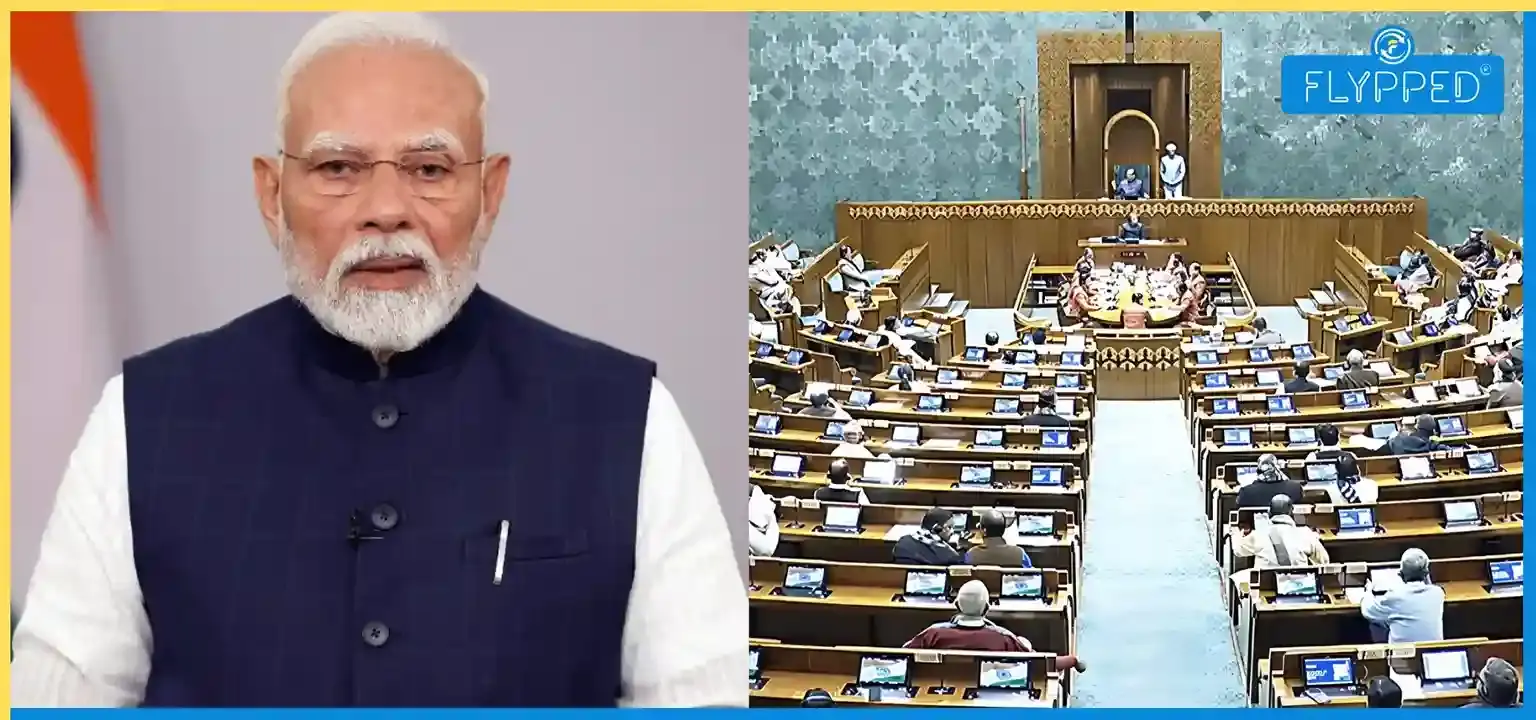
The dramatic protests in the Lok Sabha on Tuesday created disruption during the proceedings and prevented PM Modi from responding to the Motion of Thanks on the President’s Address.
PM's Speech Cancelled Amid House Chaos
Opposition MPs raised slogans and disrupted proceedings, aiming to draw attention to specific allegations as the motive for their persistent interruptions.
Despite the Speaker’s appeals to maintain decorum in the House, MPs did not pay heed to it, and the session remained stalled.
As a result, the Prime Minister was unable to deliver his scheduled response, and the House had to be adjourned.
Why Epstein Files Connect with PM Modi and Sonia Gandhi
Opposition leaders who raised slogans were pointing to the Epstein Files, which included the names of Prime Minister Narendra Modi and Congress leader Sonia Gandhi.
The claims made during the protest demanded clarification and discussion, even though there is no official document that connects Indian political leaders to the Epstein case.
Is this an Official Claim in the Epstein Files?
No, there is no official claim or confirmed evidence involving the names of PM Modi and Opposition leader Sonia Gandhi.
According to government sources and experts, these references are seen as political allegations during the protests and do not support any confirmed records or court findings.
Why is Modi Part of the Epstein Files?
The mention of PM Modi’s name during the protest was part of the opposition's sloganeering.
But there are no legal grounds that prove his involvement in the Epstein case. It reads more like political rhetoric than proof.
BJP member shakes hands with Rahul Gandhi on Epstein Files
Amid the heated protests, a moment caught the handshake between a BJP member and Congress leader Rahul Gandhi.
It all happened when the Epstein Files were brought into the matter. The moment, however, did not point to any shared stance and agreement between the two political sides.
Taken together, these incidents prompt a broader question: Does the chaos in Parliament facilitate meaningful debate or merely disrupt?
The recent episode in Parliament has once again highlighted the chaotic atmosphere in the House, with frequent walkouts and protests.
This indeed affects the discussions on essential national issues. It has, in fact, raised questions about whether political disagreements can be resolved through disruptions.
Previous Instances of Adjournment in The House
Before the current adjournment that intercepted Modi’s response, the instances of House adjournment in the Lok Sabha had already taken place three times earlier in a day, followed by constant protests and disorder.
Opposition Argues PM Was Avoiding Questions
According to opposition leaders, Prime Minister Modi was trying to escape questions and also called the Chair's decision unfair.
At the end of the session, some opposition leaders publicly stated that Modi could not speak because he was reluctant to face the debate.
Looking ahead, the conclusion of this session leaves important questions about what will unfold in Parliament next.
After the adjournment of the Lok Sabha session and Modi’s reply got deferred, Parliament will now resume discussion on the Union Budget and other key topics.
In summary, the recent session has highlighted the challenges of maintaining order and productive debate in Parliament.
As discussions resume, all eyes will be on whether leaders can move beyond disruption to address key national issues effectively.
For more Top news stories India, follow Flypped Side of News in English.
Discover the latest updates on Flypped
- 8 Congress MPs Suspended in Lok Sabha
- Delhi HC Orders Rajpal Yadav to Surrender in a series of Cheque Bounce Cases
- BSF Recovers Pakistani Drones
For Hindi Reader, Please Click for aaj ki khabar.