The Saffron Standoff: The Shankaracharya vs Yogi Adityanath Ayodhya Controversy
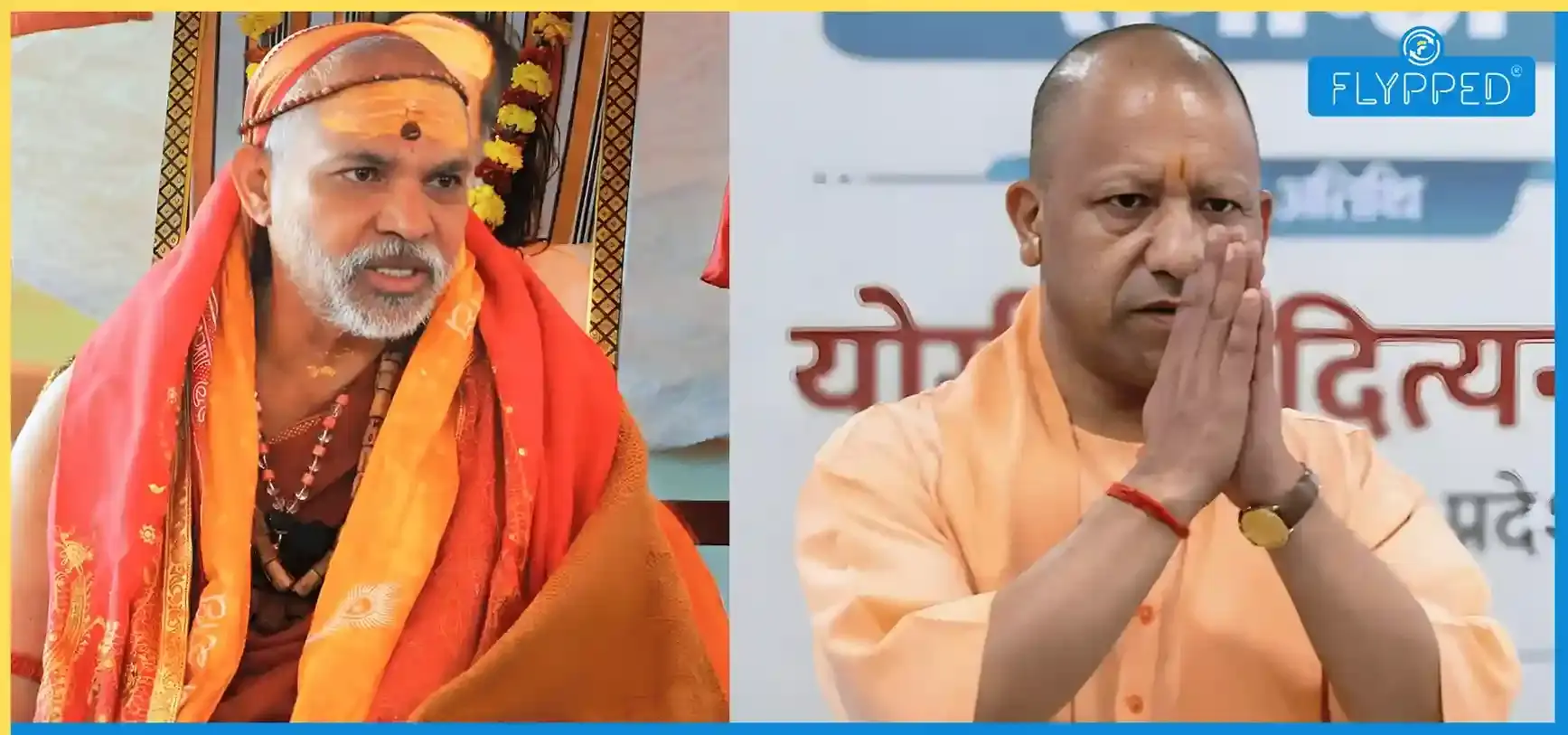
In the heart of Uttar Pradesh, a rare and high-stakes standoff between the spiritual and the political side has taken center stage. The Shankaracharya vs Yogi Adityanath Ayodhya controversy has transformed from just a religious disagreement into a full blown administrative crisis. With emotions and heavy accusations flying across, the recent resignation of a senior Ayodhya bureaucrat has added another layer of tension to the unfolding matter.
What Happened at the Magh Mela?
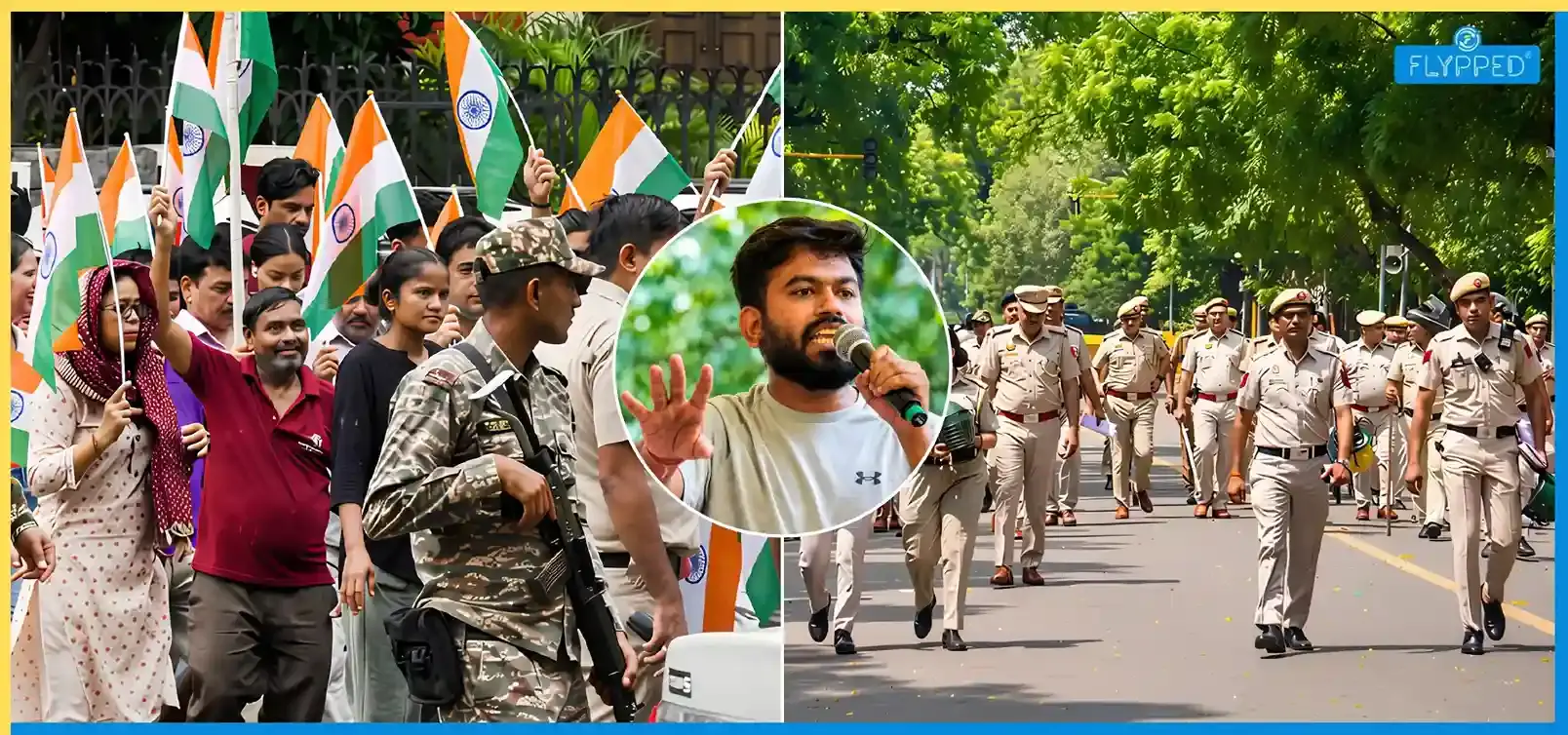
The Shankaracharya vs Yogi Adityanath Ayodhya controversy took place on January 18,2026. During the sacred Magh Mela in Prayagraj, Swami Avimukteshwaranand Saraswati, the Shankaracharya of Jyotish Peeth, was denied permission to take a holy dip at the sangam on his chariot by local administration.
The administration cited crowd control and risk of a stampede for halting the procession but the see and his followers alleged manhandling and physical assault by police present on scene. The Shankaracharya claimed his disciples were beaten and their religious sentiments were deeply wounded by the harsh behaviour of the police. This incident triggered an 11-day protest during which the seer refused to enter his camp and sat outside in the cold, demanding a formal apology from the state government.
The Political and Administrative Aftermath
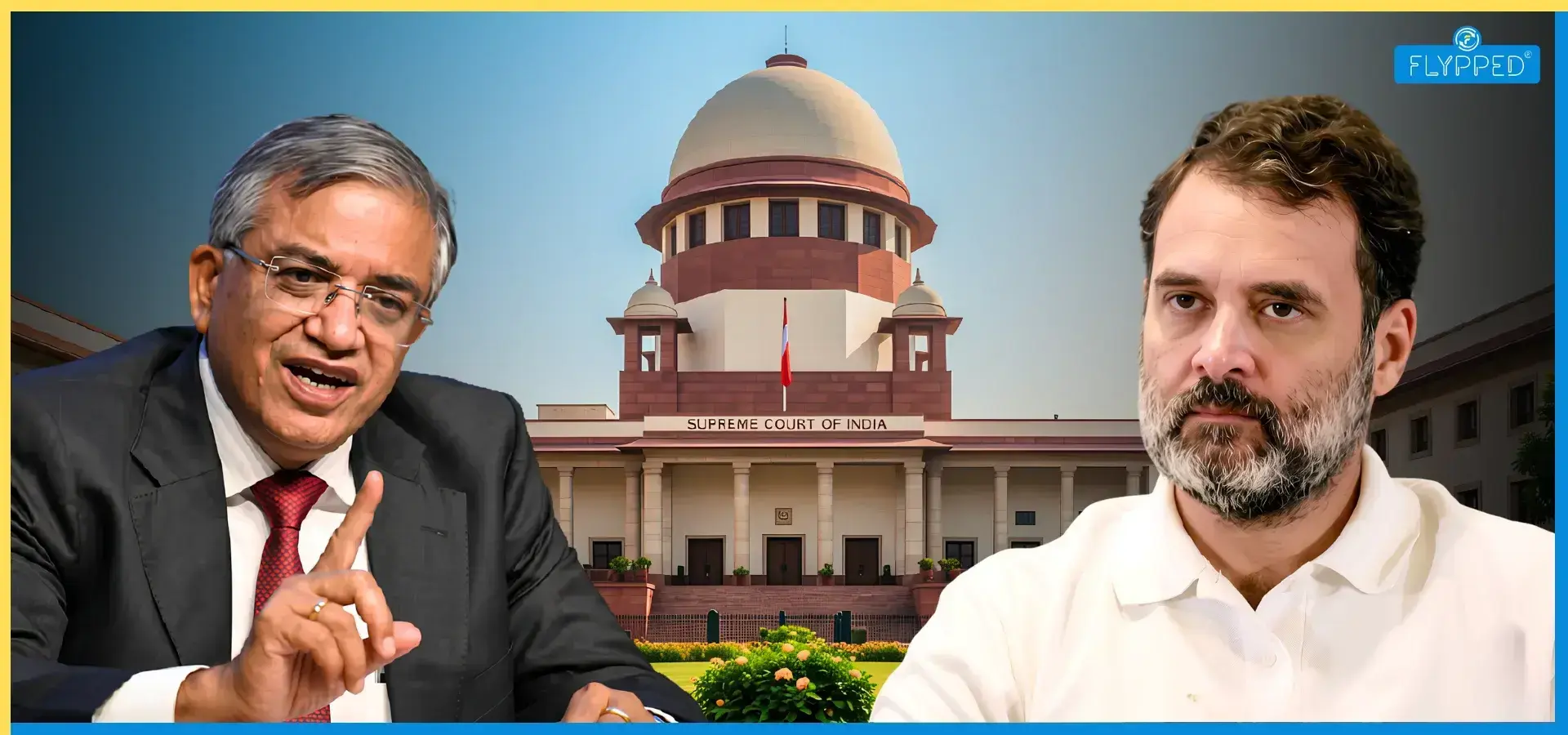
As the Shankaracharya vs Yogi Adityanath Ayodhya controversy escalated, tensions between the religious leadership and the state government increased. Chief minister Yogi Adityanath gave out a cruel remark, referring to a certain individual as “Kalanemi”. Kalanemi is a demon from hindu mythology who disguises himself as a saint. In return Shankaracharya compared the chief minister’s administration to that of Mughal emperor Aurangzeb.
“A politician who is the chief minister doesn't talk about education, health, law and order, or the state's prosperity. He talks about Kalanemi, religion, and irreligion. How appropriate is this? The chief minister should discuss the prosperity of his state. The issue of religion should be left to religious leaders," Shankyacharya said.
He also waded into the controversy over the new rules issued by the University Grants Commission to set up special committees, helplines, and monitoring teams to handle complaints, particularly from SC, ST, and OBC students.
General category students and several politicians have claimed that the framework would lead to discrimination against them.
Condemning UGC and their rules, Shankaracharya said, "No caste is inherently unjust; it is individuals who act unjustly. Every caste has both good and bad people. An individual may commit injustice, but no caste as a whole can be labelled just or unjust. By pitching one caste against another, you are taking a misguided step. This could cause great harm to Hinduism. Therefore, this law should be immediately repealed."
This verbal duel has sent shockwaves through the Uttar Pradesh bureaucracy, leading to unprecedented resignations:
- Alankar Agnihotri (City Magistrate, Bareilly): Resigned on January 26 in support of the Shankaracharya, citing the "mistreatment" of the seer and his disciples.
- Prashant Kumar Singh (Deputy Commissioner, GST Ayodhya): In a dramatic counter-move on January 27, Singh resigned in support of Chief Minister Yogi Adityanath and Prime Minister Narendra Modi.
The Deputy Commissioner, Prashant Kumar Singh, was seen as emotional in a viral video in which he said he could no longer tolerate the "unparliamentary" and insulting language being used against the head of state. He asserted that while he was just a government servant, he was not a robot and felt obliged to stand by the leadership he believed in.
A Divided Saint Samaj
The Shankaracharya vs Yogi Adityanath Ayodhya controversy has managed to create a rift between both the religious and administrative circles. On one side, three out of four shankaracharyas have expressed support for Swami Avimukteshwaranand criticising the administration for demanding an identity proof of a seer’s status, a move Magh Mela administration attempted by serving a note to the Shankaracharya.
On the other hand, the state government maintains that maintaining law and order protocols applies to everyone and no one will be treated differently due to their religious status. The resignation of the GST officer is being viewed by some as an act of pure loyalty but those in protest have dismissed it as a stage-managed drama to neutralise the impact.
Catch up on the Top news stories India with Flypped
- Friends Say Captain Sumit Kapoor Wasn’t Supposed to Fly Ajit Pawar’s Plane
- Union Budget 2026: Nirmala Sitharaman’s Ninth Consecutive Budget and the Road to Viksit Bharat
- Ajit Pawar's Remains Brought Home; Sharad Pawar Attends Funeral
Why This Matters for Ayodhya and Beyond
The timing of this problem is highly sensitive, as with the recent competition of Ram Mandir, the city emerging as a global spiritual hub, any Ayodhya political controversy carries significant weight. The clash highlights a growing tension with the government now having to respect law and order, keeping it above religious sentiments.
As of late January 2026, the Shankaracharya has ended his 11-day protest and moved to Kashi, but remains on the wavelength that he shall fight for justice. The Shankaracharya vs Yogi Adityanath Ayodhya controversy has created a rift between religious entities and the government.
For Hindi Reader, Please Click for aaj ki khabar.