Krishna Janmashtami: History, Significance, Traditions & Celebrations in India
Krishna Janmashtami is a lively Hindu festival that celebrates the birth of Lord Krishna, a beloved incarnation of Vishnu.
This event bursts with enthusiasm, featuring a rich blend of rituals, music, and dance.
This festival isn't just a single day of merriment; it's a deeply meaningful spiritual occasion in Hindu culture.
People fast, sing devotional songs, and reenact moments from Krishna's life at functions.
The day serves as a beautiful reminder of divine love and the victory of good over evil.
NOTE: Read spiritual insights, meditation tips, religious stories, and latest updates for mindful living.
We will look at why Krishna Janmashtami is important, its history, and how people celebrate it in India.
Why is Krishna Janmashtami Celebrated?
Janmashtami is more than just a festive occasion; it’s a time for introspection on the teachings and life of Lord Krishna.
Born during a challenging period, Krishna played a crucial role in restoring dharma (righteousness) and guiding humanity.
His teachings, particularly those found in the Bhagavad Gita, continue to resonate, emphasising duty, devotion, and moral integrity.
The festival also serves as a reminder of the moral and ethical lessons embedded in Krishna's many stories.
From his childhood adventures in Vrindavan to his profound dialogues with Arjuna on the battlefield, each tale offers valuable insights into living a life filled with honesty, love, and devotion.
These narratives highlight compassion, humility, and the importance of faith. Krishna Janmashtami also emphasises the significance of devotion in Hinduism.
For many, it’s a time to deepen their connection to the divine through prayer, fasting, and communal celebrations.
Engaging in these spiritual practices nurtures a sense of community and reinforces the values that Krishna exemplified.
As you celebrate this year's Krishna Janmashtami, take a moment to reflect on the festival's rich history and significance.
Embrace the teachings of Lord Krishna and consider how you can incorporate his wisdom into your daily life.
Krishna Janmashtami Significance and Importance
The Krishna Janmashtami festival is truly cherished by millions around the globe.
This vibrant celebration marks the birth of Lord Krishna, symbolising the arrival of divine love and wisdom in our world.
Observed on the eighth day of the dark fortnight in the month of Bhadrapada, it usually falls in August or September, depending on the lunar calendar.
For 2026, Krishna Janmashtami falls on September 4.
Beyond the festivities, this day carries profound spiritual significance. Devotees believe that Krishna’s birth represents the triumph of good over evil.
His life was filled with acts of kindness, courage, and divine playfulness, reminding followers to embody these virtues in their own lives.
Krishna Janmashtami History
Shri Krishna was the son of Devaki and Vasudev, though he spent his childhood with Yashoda and Nanda in Vrindavan.
His birthday is celebrated at a festival which takes place on the eighth day of the dark half of the month of Bhadrapad. According to tradition, Krishna was born in a prison in Mathura.
Kansa, Krishna's uncle, wished to have Devaki killed since it was predicted that one of her children would kill him. Vasudev asked for her life and promised to give Kansa each of their children.
As a result, Kansa allowed Devaki to live but put both her and Vasudev in prison and made certain that none of their children survived.
To save Krishna, Vasudev placed him in a basket and carried it across the Yamuna River to Vrindavan, where Yashoda and Nanda brought him up as their own son.
Unlike other kids, Krishna’s childhood was full of troubles as Kansa used to send demons to kill him. Among these were Bakasura, Aghasura, and Putana.
However, he was unaware that Krishna was born with celestial power and had killed all the demons he sent, thereby restoring peace among the villagers.
And then came the final day when Krishna finally avenged the inflictions Kansa had caused to his parents and killed him in the end.
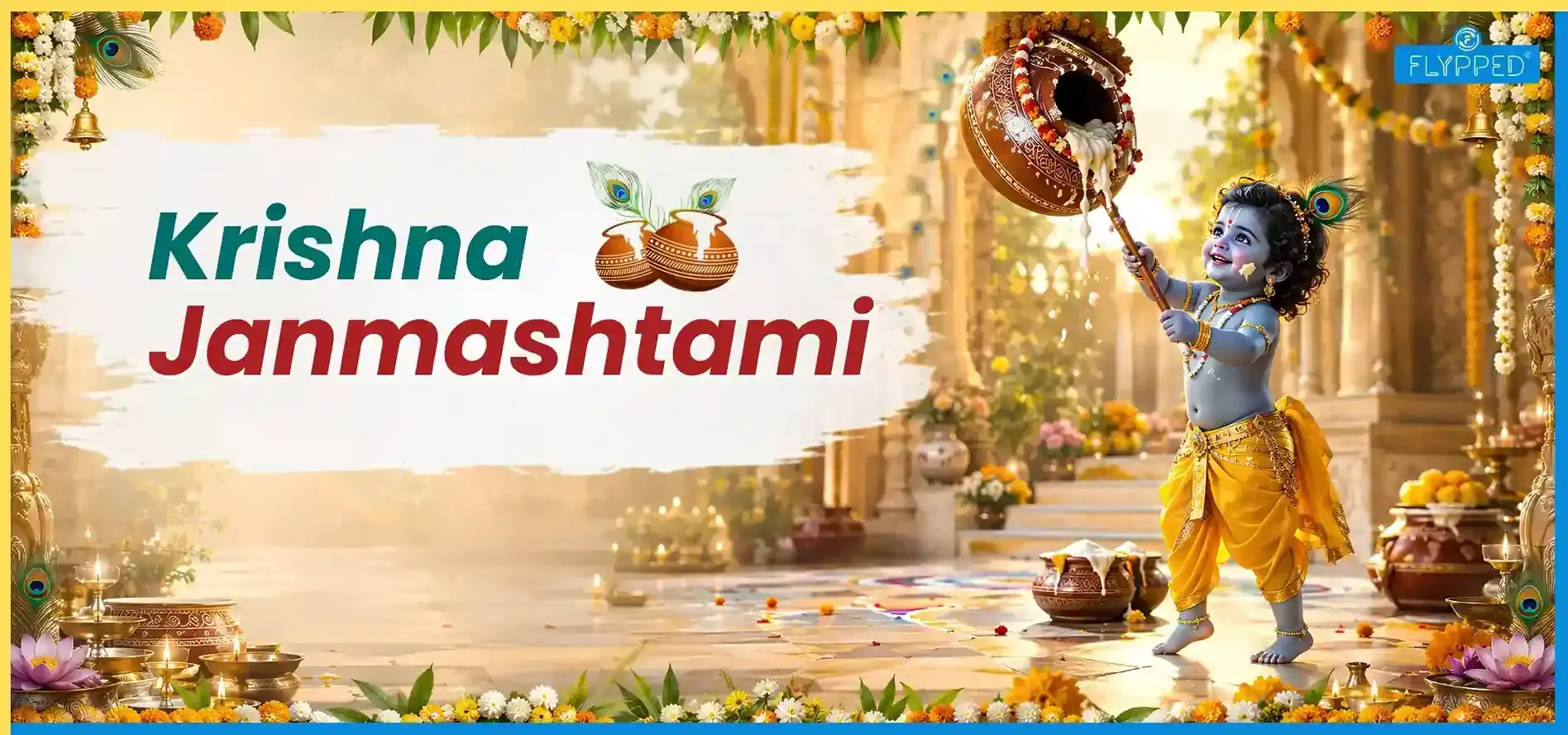
Embracing the Spirit of Krishna's Playfulness as Butter Thief
The stories of Krishna as the butter thief are more than just entertaining tales; they invite devotees to embrace love, joy, and devotion in their daily lives.
These narratives serve as a reminder of the divine's playful and affectionate nature.
As we reflect on Krishna's playful escapades, we are encouraged to find joy in our own lives, reminding us that love and devotion can be woven into our everyday actions.
How Krishna Janmashtami is Celebrated Across India
The Krishna Janmashtami festival is a vibrant mix of traditions and rituals that differ across regions.
The ways in which this festival is celebrated vary widely across India:
Uttar Pradesh
Mathura and Vrindavan come alive with grand processions and elaborate temple decorations, where the spirit of the festival is palpable.
Maharashtra
Known for the iconic Dahi Handi celebration, teams form human pyramids to break pots filled with yoghurt, creating a thrilling spectacle.
Gujarat
Raas Leela dance performances bring Krishna's life to the stage, captivating audiences with vibrant storytelling.
South India
In Udupi, unique customs unfold with temple celebrations that highlight devotional practices and community feasts.
What to Do on Janmashtami?
What to do on Janmashtami can vary by culture, but here are some core practices you'll often see:
Fasting
Many followers observe a fast until midnight, the hour believed to mark Krishna's birth.
Prayers and Bhajans
Chanting devotional songs and prayers is vital, nurturing a spiritual bond with Krishna.
Decorating Idols
Krishna idols are dressed in exquisite attire and adorned with flowers, enhancing the festive atmosphere.
What Not to Do on Janmashtami
To truly honour the spirit of Krishna Janmashtami, it’s essential to uphold the sanctity of the day by avoiding certain behaviours.
Common pitfalls include consuming non-vegetarian food or engaging in arguments.
There are also superstitions suggesting that disturbing the peace or indulging in gossip can bring misfortune.
Here are some guidelines to help maintain spiritual purity on Janmashtami:
Avoiding Non-Vegetarian Food
Devotees are encouraged to stick to vegetarian meals, aligning with Krishna's teachings of compassion.
Staying Positive
It's wise to cultivate a positive mindset and focus on devotion, steering clear of negativity.
Respecting the Rituals
Engaging sincerely in traditional practices deepens your spiritual experience and connection to Krishna.
Embracing these traditions and guidelines can enrich your Krishna Janmashtami celebration, allowing you to fully experience the joy and spirituality of this cherished festival.
Celebrating Krishna Janmashtami: Activities and Events
The Krishna Janmashtami festival is a lively occasion filled with community celebrations and temple events that unite people in joy.
Temples worldwide are adorned with beautiful decorations, and devotees engage in various rituals, including singing devotional songs and performing aartis.
In many cities, large gatherings showcase cultural performances that illustrate the life of Lord Krishna. So, what’s the essence?
At home, you can host a celebration that reflects your family's spirit.
Create a festive atmosphere with colourful decorations and perhaps set up a small altar for Krishna, where you can place flowers and light candles.
Encourage your guests to wear traditional attire and share stories about Krishna’s life, adding a personal touch to the festivities.
Special Foods and Offerings for Krishna Janmashtami
Food is at the heart of Krishna Janmashtami celebrations. The traditional dishes prepared during this festival not only delight the palate but also carry spiritual meaning.
Many families create special offerings, known as Naivedya, to present to the deity.
The significance of Prasad, which is food offered to Krishna and then shared among devotees, is profound; it represents the blessings received from the divine.
Here are some popular dishes often prepared:
Paneer dishes
Curries and snacks made from fresh cheese are favourites during the festival.
Sweets like laddus and pedas
These delicious treats are crafted from ingredients such as jaggery, coconut, and various nuts, adding sweetness to celebrations.
Savoury snacks
A variety of savoury items, such as samosas and kachoris, are also commonly served, providing a delightful contrast to the sweets.
Enjoying these traditional dishes not only honours the customs but also elevates the joyful spirit of Krishna Janmashtami.
Incorporating these activities and foods into your Krishna Janmashtami celebrations can create a memorable experience.
As you come together with loved ones, remember to embrace the joy and devotion that this festive occasion represents.
Quote from a Spiritual Leader
“Krishna is the answer to our questions about life and its purpose.” — Sri Sri Ravi Shankar
Famous Temples to Visit During Janmashtami
For those wanting to immerse themselves more fully in the spirit of the festival, visiting one of India’s renowned Krishna temples can enhance the experience:
Banke Bihari Temple, Vrindavan
The Banke Bihari Temple Janmashtami is a lively and colourful celebration honouring the birth of Lord Krishna, especially renowned at the historic Banke Bihari Temple in Vrindavan, India.
Each year, this festival attracts thousands of devotees from around the world who come together to engage in rich traditions and joyful festivities.
Dwarkadhish Temple, Dwarka
The Dwarkadhish Temple Janmashtami celebration is a lively event honouring the birth of Lord Krishna at the famed Dwarkadhish Temple in Dwarka, India.
Each year, this festival draws thousands of devotees from across the globe, eager to partake in the rituals, festivities, and spiritual experiences that showcase the rich mix of Hindu culture.
Iskcon Temple, Bangalore
Iskcon Temple Janmashtami is a joyous occasion that celebrates the birth of Lord Krishna, an event cherished by devotees around the world.
This vibrant festival is filled with lively celebrations, devotional songs, and rituals that showcase the rich cultural heritage of the International Society for Krishna Consciousness (ISKCON).
Prem Mandir, Vrindavan
Celebrating Janmashtami at Prem Mandir in Vrindavan is nothing short of magical.
This magnificent temple, dedicated to Lord Krishna, transforms into a vibrant epicentre of festivities, drawing in thousands of devotees and visitors each year.
The significance of Janmashtami here runs deep, filled with unique rituals and an atmosphere brimming with devotion and joy.
Udupi Krishna Temple, Karnataka
The Udupi Krishna Temple in Karnataka is a beloved pilgrimage destination, especially during Janmashtami, which marks the birth of Lord Krishna.
This vibrant festival attracts thousands of devotees who engage in lively rituals and cultural celebrations.
Nathdwara Temple, Rajasthan
Nathdwara Temple in Rajasthan becomes a vibrant hub during the Janmashtami celebrations.
This annual festival honours the birth of Lord Krishna and draws thousands of devotees eager to join in the festivities.
Why is Lord Krishna’s Color is Black?
If you are a devout devotee of Lord Krishna, then you must have heard this bhajan whose lines are ‘’Yashomati Maiya Se Bole Nand Lala, Radha Kyu Gori, Mai Kyu Kaala’’.
In traditional folk poetry, poets frequently call Krishna 'ghana-shyam', meaning he is as dark as monsoon clouds.
This name highlights not only his distinctive beauty but also the richness of his character.
Artists across the ages have captured Krishna in various forms, yet the recurring black shade signifies his divine qualities.
Theological Perspectives on Krishna’s Appearance
Divine Attributes Associated with Krishna
Krishna embodies a multitude of divine qualities, including love, compassion, and playfulness.
His black complexion symbolises these traits, representing the richness of life experiences.
Compared with other deities, Krishna’s colour stands out, blending elements of joy and mystery.
Quote from a Religious Scholar
"The colour of Lord Krishna represents the infinite nature of the universe and the complexities of life." — Swami Vivekananda
Lord Krishna's Association with Yellow
Lord Krishna holds a special place in Hindu mythology, and his association with the colour yellow is deeply significant.
This association captures his joyful spirit and abundance, reflecting the divine qualities that devotees celebrate throughout various traditions.
Depictions of Lord Krishna in Art
Artworks featuring Krishna often show him dressed in yellow garments, highlighting his playful and loving character. These images emphasise his divine essence and connection to joy.
Yellow Attire in Worship
When it comes to worship, many followers wear yellow as a symbol of purity and devotion. Devotees also present various offerings to Krishna, including:
- Yellow flowers
- Turmeric
- Sweets like besan laddoo
Who Gave Sudarshan Chakra to Lord Krishna?
The origins of the Sudarshan Chakra date back to the Treta Yuga, specifically at the time of Rama's marriage.
Although Parashurama had intended to punish Rama for breaking Shiva's bow, he bowed to Rama when he realised who Rama really was.
Rama then bestowed the Sudarshan Chakra upon Parashurama and told him that he would need it in the Dwapara Yuga.
Later, after Krishna had finished his studies at Guru Sandipani's ashram in the Dwapara Yuga, Parashurama gave Krishna the Sudarshan Chakra.
This account is also found in one of the early episodes of B.R. Chopra's Mahabharat.
Usually, Krishna would hold the discus on his little finger, whereas Lord Vishnu kept it on his index finger.
Once the chakra has destroyed its target, it returns to the person who used it, proving that the warrior remains in control of it even after throwing it. The chakra can reach any place at once.
One well-known story about the Sudarshan chakra is when Lord Krishna used it to behead Shishupal after he had insulted Krishna 100 times.
Conclusion
Krishna Janmashtami is a vibrant celebration steeped in culture and spirituality, reflecting the teachings and values imparted by Lord Krishna.
As we get ready to observe this special occasion on September 4, 2026, let's open our hearts to the joy and lessons it brings, nurturing love and devotion within ourselves.
This festival reminds us of Krishna's messages on righteousness, compassion, and the significance of community.
As you ponder the significance of Krishna Janmashtami, consider how you can weave these teachings into your everyday life.
Whether it's through small acts of kindness, engaging in prayer and meditation, or simply spreading joy with those around you, there are many meaningful ways to honour this sacred day.
Embracing Janmashtami traditions can truly enhance your experience and deepen your connection with Krishna.
From fasting and prayers to preparing special dishes and singing bhajans, each ritual carries deep meaning and strengthens your relationship with the divine.
It’s also important to keep in mind what not to do on Janmashtami, as preserving the day's sanctity is key.
Steering clear of negativity and being mindful of your actions will help foster a peaceful atmosphere that aligns with the festival's spirit.
As you gather with loved ones, take a moment to share stories of Krishna's life and teachings.
This not only builds a sense of community but also reinforces the values Krishna represents.
Celebrate with laughter, joy, and a spirit of devotion, ensuring that the essence of Krishna Janmashtami shines brightly in your festivities.
May this Krishna Janmashtami bring you peace, happiness, and a renewed sense of purpose.
Embrace the teachings of Lord Krishna and allow them to guide your journey ahead.
Read More:
Frequently Asked Questions
Find answers to common questions about this topic
Krishna Janmashtami falls on September 4, 2026, Friday.
Lord Krishna’s real parents were Devaki and Vasudev. He was brought up by Yashoda and Nand Baba.
Yes, he had one elder brother named Balram (also called Balbhadra) and Subhadra, his younger sister.
There are endless things to learn from Lord Krishna. One such is keeping a smile even in odd situations.
Lord Krishna did die at the end of Dwapar Yuga. But it was the end of his leela, not him. Pray to him with heart and love, and he will listen to your prayers.