IVF Treatment: Complete Process, Cost, Success Rate, Risks & Benefits Explained
Infertility affects millions of couples worldwide and for many IVF treatment has become a life-changing medical solution. Whether you are just beginning to explore your options or are already considering this path, understanding how IVF works from the procedure to the costs and risks can help you make an informed decision. This blog covers everything you need to know.
What Is IVF Treatment?
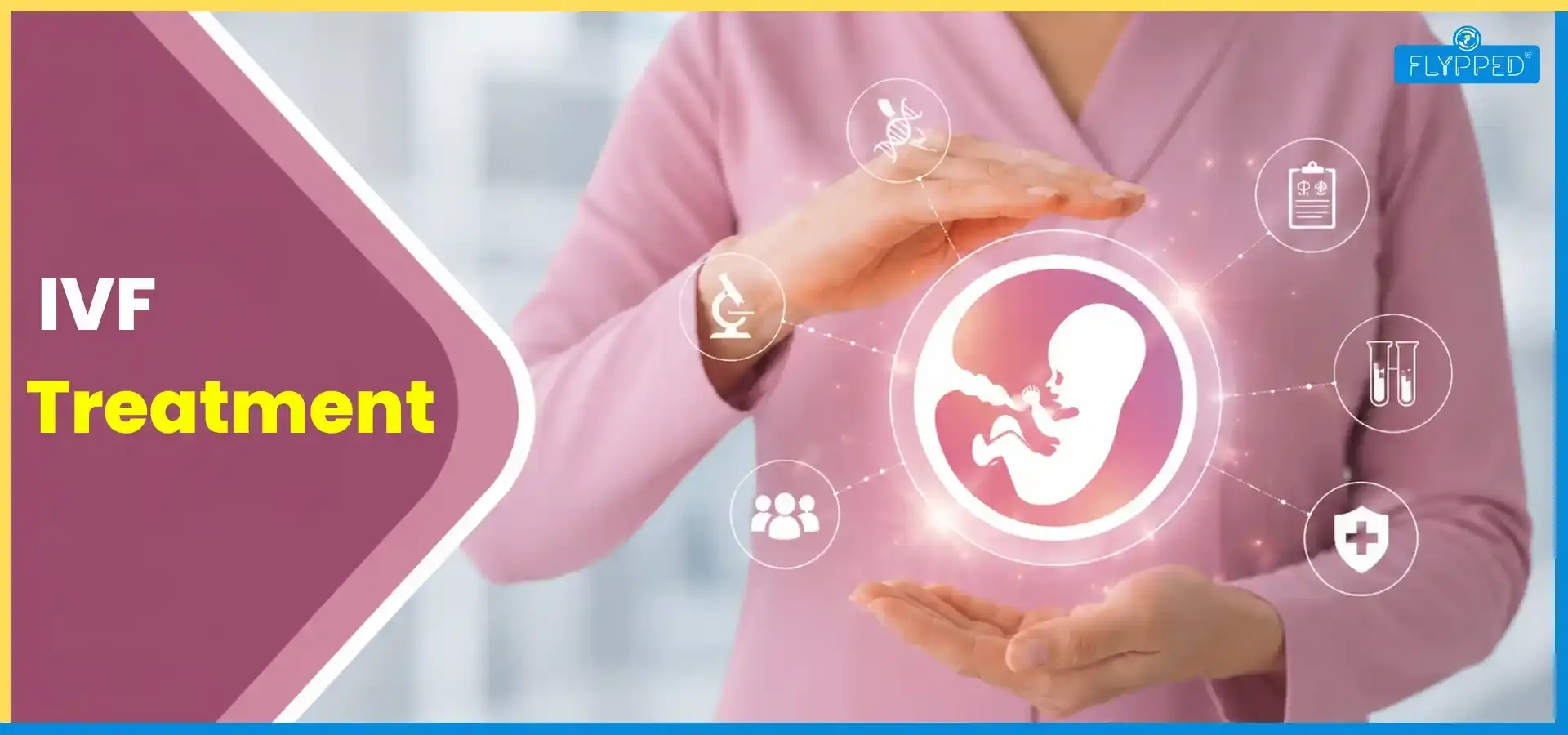
IVF or In Vitro Fertilization is an assisted reproductive technology in which eggs are retrieved from a woman's ovaries and fertilized with sperm in a laboratory. The resulting embryo is then transferred into the uterus to achieve pregnancy.
The term "in vitro" is Latin for "in glass" referring to the fact that fertilization occurs outside the body in a controlled clinical setting. IVF was first successfully performed in 1978 with the birth of Louise Brown in the United Kingdom, the world's first test-tube baby. Since then, the procedure has helped millions of families around the world.
IVF Treatment for Infertility: When Is It Recommended?
IVF treatment for infertility is typically recommended when other fertility treatments such as medication or intrauterine insemination (IUI) have failed or when specific medical conditions make natural conception unlikely. Doctors may suggest IVF in the following situations:
- Blocked or damaged fallopian tubes that prevent the egg from reaching the uterus
- Male factor infertility including low sperm count or poor sperm motility
- Ovulation disorders such as polycystic ovary syndrome (PCOS)
- Endometriosis which can affect the functioning of the ovaries, uterus, and fallopian tubes
- Unexplained infertility, where no specific cause has been identified despite testing
- Genetic disorders, where preimplantation genetic testing (PGT) during IVF can prevent passing conditions to the child
- Age-related infertility, particularly in women over 35
IVF may also be an option for same-sex couples or single individuals who wish to have a biological child using donor eggs, donor sperm or a surrogate.
NOTE: Explore health and fitness news, workout guides, nutrition advice, and more from our latest updates.
IVF Treatment Process: How Does IVF Work?
The IVF procedure step by step involves several carefully coordinated stages, typically spanning two to four weeks per cycle.
Step 1: Ovarian Stimulation- The woman takes hormone injections (gonadotropins) for 8-14 days to stimulate the ovaries to produce multiple eggs, rather than the single egg released during a natural menstrual cycle. Regular ultrasounds and blood tests monitor follicle development.
Step 2: Egg Retrieval (Oocyte Pick-Up)- Once the follicles are mature, a trigger injection (hCG) is administered. Around 36 hours later, eggs are retrieved using a thin needle guided by ultrasound, under sedation or light anaesthesia. The procedure takes about 20-30 minutes.
Step 3: Sperm Collection and Preparation- On the same day as egg retrieval, the male partner provides a sperm sample. The sample is processed in the lab to isolate the healthiest, most motile sperm.
Step 4: Fertilization- Eggs and sperm are combined in the laboratory. In conventional IVF, sperm naturally penetrate the eggs. In cases of severe male infertility, Intracytoplasmic Sperm Injection (ICSI) where a single sperm is directly injected into an egg may be used.
Step 5: Embryo Development- Fertilized eggs are monitored over 3–5 days as they develop into embryos. The embryologist assesses their quality. Some clinics allow embryos to develop to the blastocyst stage (day 5-6) before transfer, which can improve implantation rates.
Step 6: Embryo Transfer- One or more embryos are placed into the uterus via a thin catheter inserted through the cervix. The procedure is typically painless and does not require anaesthesia. Any remaining high-quality embryos may be frozen for future use.
Step 7: The Two-Week Wait and Pregnancy Test- Around 10-14 days after embryo transfer, a blood test (beta-hCG) confirms whether implantation was successful.
IVF Success Rate: What Are the Chances of Pregnancy?
IVF success rates vary significantly depending on several factors, most notably the woman's age. According to data from leading fertility authorities:
- Under 35 years approximately 40-50% success rate per cycle
- 35–37 years approximately 30-40%
- 38–40 years approximately 20-30%
- Over 40 years approximately 10-15%
Success rates are also influenced by the cause of infertility, the quality of embryos, the clinic's expertise, and whether fresh or frozen embryo transfers are used. Frozen embryo transfers are increasingly showing comparable or even higher success rates than fresh transfers in some studies. It is important to discuss realistic expectations with your fertility specialist, as success is not guaranteed in any single cycle.
IVF Treatment Cost: How Much Does IVF Cost?
IVF treatment cost is one of the most significant considerations for couples. Costs vary widely by country, clinic, and individual circumstances. In India, a single IVF cycle typically costs between ₹1,00,000 and ₹2,50,000 making it one of the most affordable destinations globally. Additional costs may include diagnostic tests, sperm/egg freezing, ICSI, preimplantation genetic testing (PGT), embryo storage and consultation fees. Most couples require more than one cycle to achieve a successful pregnancy, so it is essential to budget accordingly.
IVF Pregnancy Symptoms
IVF pregnancy symptoms are generally similar to those experienced in natural pregnancies, though some symptoms may be influenced by the hormone medications used during treatment. Common early signs include:
- Mild cramping or bloating after embryo transfer
- Light spotting (implantation bleeding)
- Breast tenderness or swelling
- Fatigue and increased tiredness
- Nausea, particularly in the morning
- Frequent urination
- Mood swings due to progesterone supplementation
It is worth noting that some women experience these symptoms due to the hormonal medications even if implantation has not occurred. A confirmed blood test (beta-hCG) remains the only reliable way to determine pregnancy after IVF.
Benefits of IVF Treatment
The benefits of IVF treatment extend well beyond simply achieving pregnancy. Key advantages include:
- High success rates compared to other assisted reproductive techniques, particularly for younger patients
- Genetic screening through PGT, which reduces the risk of passing on hereditary conditions
- Suitable for a wide range of fertility issues including tubal damage, male infertility and unexplained infertility
- Embryo freezing, which allows unused embryos to be stored for future cycles, reducing costs and physical demand
- Family planning flexibility including the ability to use donor eggs, donor sperm, or a surrogate
- Diagnostic value as the IVF process itself can provide insights into fertilization and embryo development that other tests cannot
Side Effects of IVF Treatment
Like any medical procedure, the side effects of IVF treatment should be understood before starting. Most are temporary and manageable:
- Bloating and mild abdominal discomfort during ovarian stimulation
- Breast tenderness
- Mood swings and emotional sensitivity related to hormone injections
- Headaches and fatigue
- Mild bruising or soreness at injection sites
- Spotting after egg retrieval or embryo transfer
Most side effects resolve once the treatment cycle is complete or after menstruation begins following an unsuccessful cycle.
Risks of IVF Treatment
While IVF is generally considered safe, there are notable risks of IVF treatment that patients must be aware of:
- Ovarian Hyperstimulation Syndrome (OHSS)- A potentially serious complication where the ovaries over-respond to hormones, causing swelling and discomfort. Severe OHSS occurs in about 1–2% of cycles.
- Multiple pregnancies- Transferring more than one embryo increases the risk of twins or triplets, which carry higher risks of premature birth and complications.
- Ectopic pregnancy- A small risk that the embryo implants outside the uterus, typically in a fallopian tube.
- Miscarriage- The risk is comparable to natural conception, though it increases with age.
- Egg retrieval complications- Rare risks include bleeding or infection from the procedure.
- Emotional and psychological stress- The IVF journey can be emotionally taxing and counselling support is strongly recommended.
Preparing for IVF Treatment
Preparation plays a crucial role in maximizing the chances of success. Key steps before beginning IVF include:
- Comprehensive medical evaluation- Both partners should undergo full fertility assessments, including hormone tests, semen analysis, and uterine evaluation.
- Lifestyle modifications- Maintaining a healthy weight, quitting smoking, reducing alcohol intake and eating a balanced diet can improve outcomes.
- Supplements- Folic acid and vitamin D are commonly recommended; consult your doctor for personalized guidance.
- Mental health support- Consider counselling or support groups to manage the emotional demands of treatment.
- Choosing the right clinic- Research clinic success rates, accreditation and the experience of the medical team.
- Financial planning- Understand the full cost breakdown and explore insurance coverage or financing options.
Open and honest communication with your fertility specialist is the foundation of a well-prepared IVF journey.
Final Thoughts
IVF treatment has transformed the lives of millions of people facing infertility. While it is not without its challenges financially, physically or emotionally advances in reproductive medicine continue to improve outcomes each year. With the right medical guidance, realistic expectations and adequate support, IVF offers genuine hope for those dreaming of parenthood.
Read More:
Frequently Asked Questions
Find answers to common questions about this topic
Focus on a healthy diet, a steady weight, prenatal vitamins like folic acid, good sleep and less alcohol, smoking and caffeine for a few months before treatment.
Yes, Mukesh Ambani's older children twins Isha and Akash, were conceived through IVF.
For many people, the hardest part is the waiting period after embryo transfer, when they have to wait for the pregnancy test results.
Most IVF babies grow up healthy, though some studies have found slightly higher risks for certain outcomes, so regular pediatric care is still important.
Some studies suggest embryo selection and lab conditions may slightly favor male embryos in certain cases, but the difference is usually small and not guaranteed.
Success on the first attempt depends mainly on age and fertility factors. For women under 35, first-cycle pregnancy rates are often around the mid-range but not everyone will conceive right away.