Piyush Goyal India-US Trade Deal: Goyal-Greer Meeting Focuses on Interim Agreement
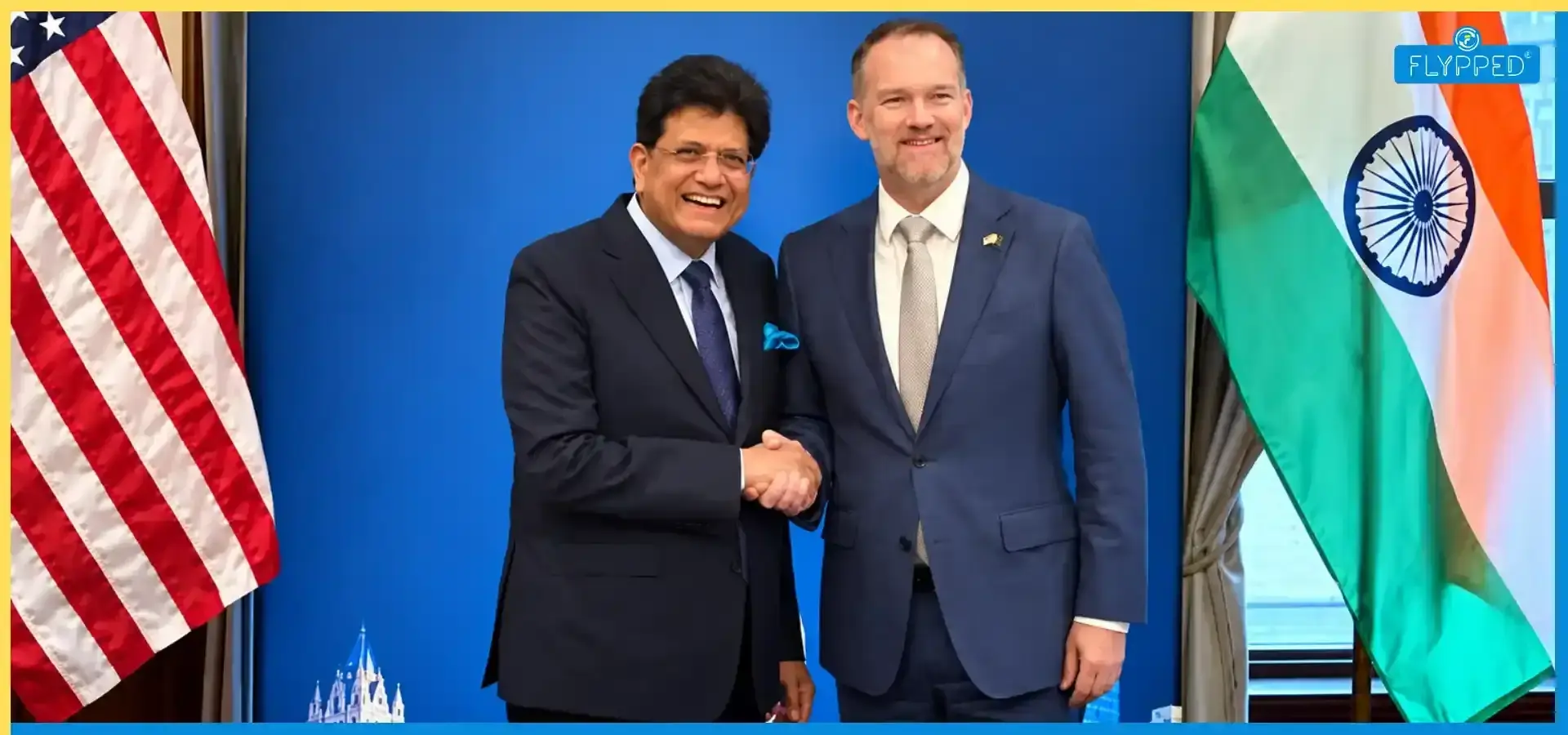
Piyush Goyal, India's Commerce Minister, is in the United States to engage in critical discussions regarding the India-US trade deal.
His meetings include significant talks with US Trade Representative Jamieson Greer, aimed at finalizing an interim agreement.
The negotiations focus on addressing trade barriers amid ongoing India-US tariff negotiations.
During the Piyush Goyal Milwaukee meeting, both sides expressed optimism about reaching a comprehensive understanding that considers diverse economic interests.
NOTE: Stay informed with the latest breaking news, current affairs, top headlines, and latest updates from across the globe.
As the deadline for the interim agreement approaches, urgency has increased. The outcome of these negotiations may alter trade dynamics, impacting tariffs and market access.
Piyush Goyal India-US Trade Deal | Talks Show Progress; Key Updates Expected Soon
Piyush Goyal Latest News: Key implications of the potential agreement include improved trade flows and economic collaboration, which could benefit various sectors in both nations.
Goyal's ongoing dialogue with US officials indicates that the situation is evolving, with further updates anticipated shortly.
Observers are closely monitoring how these negotiations will progress and their implications for the future of the India-US trade agreement.
Recent Meetings: Piyush Goyal and Jamieson Greer
Overview of the Milwaukee Meeting
Piyush Goyal met with US Trade Representative Jamieson Greer in Milwaukee to advance discussions on the India-US trade deal.
This meeting occurred during the two-day G20 Trade Ministers' summit, which focused on global trade issues.
India US trade Deal Interim Agreement: Both representatives aimed to establish a clear path forward for the interim agreement, highlighting the need for a balanced approach benefiting both nations.
As trade tensions evolve, finalizing terms has intensified, marking this meeting as a crucial moment in the negotiation process.
Key Topics of Discussion
A primary focus of the meeting was the ongoing tariff negotiations between India and the United States.
Both sides recognized the implications of these discussions for their economies. While some areas of mutual agreement exist, several sticking points remain, especially regarding the tariff framework proposed by the US.
Goyal and Greer addressed various sectors, including technology and agriculture, where enhanced cooperation could yield benefits for both countries.
However, issues such as market access and specific tariff rates remain unresolved, indicating that while progress is being made, challenges continue.
Piyush Goyal India-US Trade Deal: The outcome of these negotiations could reshape the India-US trade agreement landscape and influence future bilateral engagements.
As both parties strive for a resolution, the situation remains fluid, with further updates anticipated soon.
Progress Towards the India-US Trade Agreement
Piyush Goyal India-US Trade Deal: As of October 1, 2026, negotiations between India and the United States regarding the trade deal are advancing.
Both nations are concentrating on finalizing an interim agreement aimed at lowering trade barriers and fostering economic collaboration.
Recent discussions have indicated a broad consensus, although specific tariff frameworks proposed by the United States continue to pose challenges.
The ongoing India US tariff negotiations are critical, as both sides work to resolve outstanding issues before the agreement can be finalized.
The urgency of these discussions has increased, particularly following Piyush Goyal's recent meeting in Milwaukee.
Both parties’ express optimism about achieving a consensus that accommodates the interests of both economies, potentially leading to a more structured trade relationship.
Challenges and Opportunities
The negotiations face several challenges, including:
- Tariff Structures: Ongoing disagreements over proposed tariff rates and frameworks from the United States complicate discussions.
- Import Regulations: Existing import regulations in both countries introduce additional complexities to the negotiations.
- Political Climate: Changing political dynamics in India and the United States may affect the negotiations and create uncertainty.
Despite these obstacles, significant opportunities exist for both countries to gain from a successful trade agreement, especially in sectors such as technology and agriculture.
The prospect of increased market access and improved trade flows remains a strong motivation for both nations to continue their negotiations.
Implications of the Piyush Goyal India-US Trade Deal
Economic Impact on Both Nations
The trade deal is set to significantly impact the economies of both India and the United States.
By reducing tariffs and enhancing trade flows, the agreement could create a more favorable business environment, potentially leading to increased investments across various sectors.
For businesses, especially in technology and agriculture, this deal may open new markets and improve competitiveness.
Consumers could see benefits through lower prices and a wider array of products. The expected growth in trade may also drive job creation in both countries, strengthening economic resilience.
Future Prospects
Looking ahead, the next steps in the trade negotiations are critical. With the urgency of reaching an interim agreement, both Piyush Goyal and US Trade Representative Jamieson Greer must continue their dialogue.
Ongoing discussions will be essential in addressing unresolved issues, particularly regarding tariff frameworks.
The success of the agreement depends on the ability of both nations to find common ground, ensuring balanced interests for their economies.
Regular updates from the negotiations will be crucial as stakeholders await the outcomes.
Emphasizing collaboration and mutual benefit will shape the future trajectory of the India-US trade agreement, potentially laying the groundwork for deeper economic ties.
Current Tariffs
India and the United States impose tariffs that differ by product. India has varying rates across sectors such as textiles, electronics, and agricultural goods.
The United States also maintains a complex tariff structure, which has been a central issue in the ongoing negotiations.
Proposed Changes
India aims to reduce tariffs in specific sectors to enhance trade flow, particularly where it believes such changes will benefit its economy and consumers.
The United States has indicated that some adjustments are necessary to protect local industries while pursuing a more balanced trade relationship.
Expected Outcomes
The expected outcomes of these negotiations are positive for both nations. India anticipates an increase in trade volume as barriers are lowered, while the United States seeks to improve market access for its goods.
This mutual benefit underscores the potential for significant economic growth if both countries can finalize a comprehensive deal.
While the path toward a successful agreement presents challenges, ongoing discussions reflect the commitment of both sides to address these issues.
The resolution of the trade deal could create a stronger economic partnership in the coming years.
Ongoing Negotiations
The trade deal marks a significant advancement in strengthening economic ties between India and the United States.
As discussions progress, negotiators aim to address ongoing challenges and finalize an interim agreement that serves the interests of both nations.
The urgency to resolve tariff frameworks and trade barriers has intensified, reflecting the potential for mutual economic growth.
Piyush Goyal India-US Trade Deal: Goyal-Greer Talks Raise Hopes for Breakthrough
Both countries could achieve substantial benefits from a completed agreement.
Increased trade volumes, improved market access, and enhanced investment opportunities are key motivators behind the current discussions.
The recent Milwaukee meeting and Goyal's engagement with US Trade Representative Jamieson Greer underscore the commitment to fostering collaboration.
The negotiations face complexities, including political influences and diverse tariff structures.
However, the outlook remains optimistic as both sides work toward a common understanding that addresses their respective economic concerns.
The resolution of the trade deal may establish a benchmark for future agreements and further strengthen economic relations.
In the weeks ahead, stakeholders will closely monitor developments in negotiations.
The emphasis will be on reaching a balanced agreement that aligns with the priorities of both nations and sets a solid groundwork for future trade interactions.
Read More:
- 16-Year-Old Girl Gang Raped and Murdered in Delhi, 4 Teens Arrested in Swaroop Nagar
- PM Modi 76th Birthday: Varanasi Celebrations Begin with NDA Leaders and Seva Sankalp Abhiyan
- Trump 100% Tariff on India: Why Russian Oil Imports are under US Pressure
- Rajasthan Local Body Election Results 2026: BJP vs Congress, Key Winners and Major Updates
- PM Modi-Putin Bilateral Talks: Su-57 Deal Likely to Feature in Defence Talks
- Delhi PG Collapse: Families Mourn Five Students Killed in Satya Niketan
- Sanjay Dutt refuses to speak Marathi after Minister’s Request, Gives a Witty Reply
- India-France relations reach New Heights as PM Modi Highlights stronger Ties
- Satya Niketan PG Collapse: Toll Rises to 6 as CCTV shows Shopkeeper’s Lucky Escape