Trump Tariffs Lawsuit: 25 US States Challenge Trump\'s India Tariffs in Court
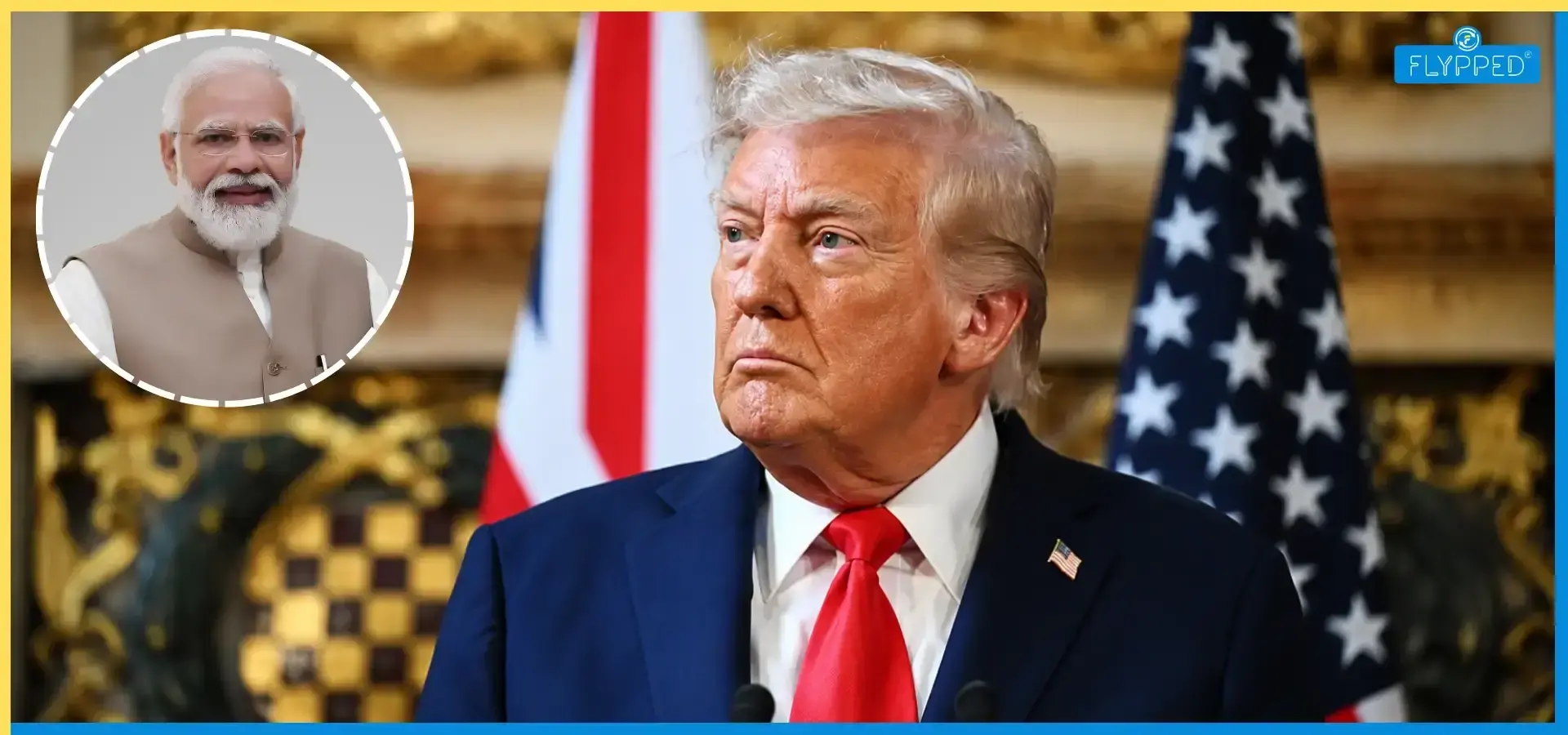
Trump Tariffs Lawsuit: On Monday, 25 US states led by Democratic governors filed a lawsuit in the US Court of International Trade to challenge President Donald Trump\'s Section 301 tariffs on 60 countries, including India.
India currently faces a 10 per cent tariff under Section 301, and another investigation that could lead to more tariffs is still underway.
Trump Tariffs on 60 Countries: Last month, the US set new tariffs of 10 to 12.5 per cent on goods from these 60 countries, citing ongoing concerns about forced labour.
These new tariffs replaced the earlier 10 per cent global tariffs, which ended on July 24.
Trump Tariffs Lawsuit: 25 States Take Legal Battle to US Trade Court
25 US States Challenge Trump Tariffs: The 25 states argued in court that the Trump administration\'s tariffs would increase costs for US consumers and businesses.
New York Attorney General Letitia James, Governor Kathy Hochul, and other Democratic-led states asked the court to rule the tariffs illegal.
They said the administration was trying to raise taxes on American families and businesses by adding more tariffs, even after losing at the Supreme Court.
James described it as an unlawful effort to give the president more control over trade policy.
NOTE: Stay informed with the latest breaking news, current affairs, top headlines, and latest updates from across the globe.
Section 301 Tariffs on India: Gets Lower US Tariff After Trade Reform
Trump Tariffs on India 2026: India now faces a 10 per cent tariff, and the US had earlier proposed a 12.5 per cent tariff on imports from India.
The lower tariff was put in place after India updated its Foreign Trade Policy on June 14, banning imports of goods made with forced labour.
Trump’s Tariff Push Faces Court Test as Lawsuit Questions Forced Labour Link
Trump Tariffs Lawsuit: The Trump administration says it is using Section 301 of the Trade Act of 1974 to address forced labour in global trade.
But the lawsuit argues this is just a way to reinstate broad tariffs the administration had tried to enforce but could not.
It also says the administration broke the law by failing to follow the required steps under Section 301 and by imposing tariffs without demonstrating a clear link to combating forced labour.
Trump Tariffs Face Legal Pushback as Letitia James Calls Policy ‘Unlawful’
James also said that current laws and the US Constitution do not grant the president unlimited power to impose broad tariffs on other countries without proper legal grounds.
She compared tariffs to taxes and argued that American consumers should not have to pay more because of what she called a failed and unlawful economic policy.
US Forced Labour Tariffs: Tariff Policy Under Fire as Legal Challenge Intensifies
Trump Tariffs Lawsuit: The lawsuit says the tariffs were imposed without clear justification and have little to do with the administration\'s stated goal of ending forced labour in global supply chains.
It also says that exempting some products from the tariffs weakens the administration\'s rationale for imposing them.
The lawsuit says the administration\'s investigation found only three products that might be linked to forced labour, but tariffs were still put on imports from many countries.
Trump Tariffs Face Fresh Legal Hurdle Over Alleged Ignoring of Public Feedback
Trump Tariffs Lawsuit: The complaint also alleges that the Office of the United States Trade Representative (USTR) failed to properly consider statements from affected countries or public comments during the brief consultation process.
The lawsuit says many of these submissions challenged the administration\'s claim that tariffs would help resolve forced labour problems in global supply chains.
25 States Rally Behind New York in Bid to Block Trump’s Tariff Actions
Trump Tariffs Lawsuit: Along with New York, the states which are also part of the lawsuit announced on Monday are
- Arizona
- California
- Colorado
- Connecticut
- Delaware
- Hawaii
- Illinois
- Kentucky
- Massachusetts
- Maryland
- Maine
- Michigan
- Minnesota
- Nevada
- New Jersey
- New Mexico
- North Carolina
- Oregon
- Pennsylvania
- Rhode Island
- Virginia
- Vermont
- Washington
- Wisconsin
Read More:
- Skyroot Vikram-1 Launch: PM Modi Wishes Success Ahead of Launch
- Sonam Wangchuk Hunger Strike Day 21: Activist Shifted to Hospital by Police
- Sonam Wangchuk Hunger Strike Day 20 Doctors Warn of Organ Failure Risk During Protest Fresh Health Concerns
- Sonam Wangchuk Protest: Wangchuk Refuses to End Hunger Strike Despite Health Concerns
- Supriya Sule Delimitation Bill: NCP (SP) Demands Written Assurance on 50% Lok Sabha Seat Increase
- Graham Staines Murder Case: Convict Dara Singh May Walk Free Under Independence Day Remission
- US Russia Sanctions Bill: US Lowers Proposed Tariff to 100%, India and China Still in Focus
- Yemen Sanaa Airport Attack: Saudi Arabia Faces Houthi Strike After Airport Attack
- US Iran War Live Updates: Trump Announces Iran Blockade as Middle East Conflict Escalates