Shri Mahalaxmi Temple: History, Festivals, Architecture and Religious Significance
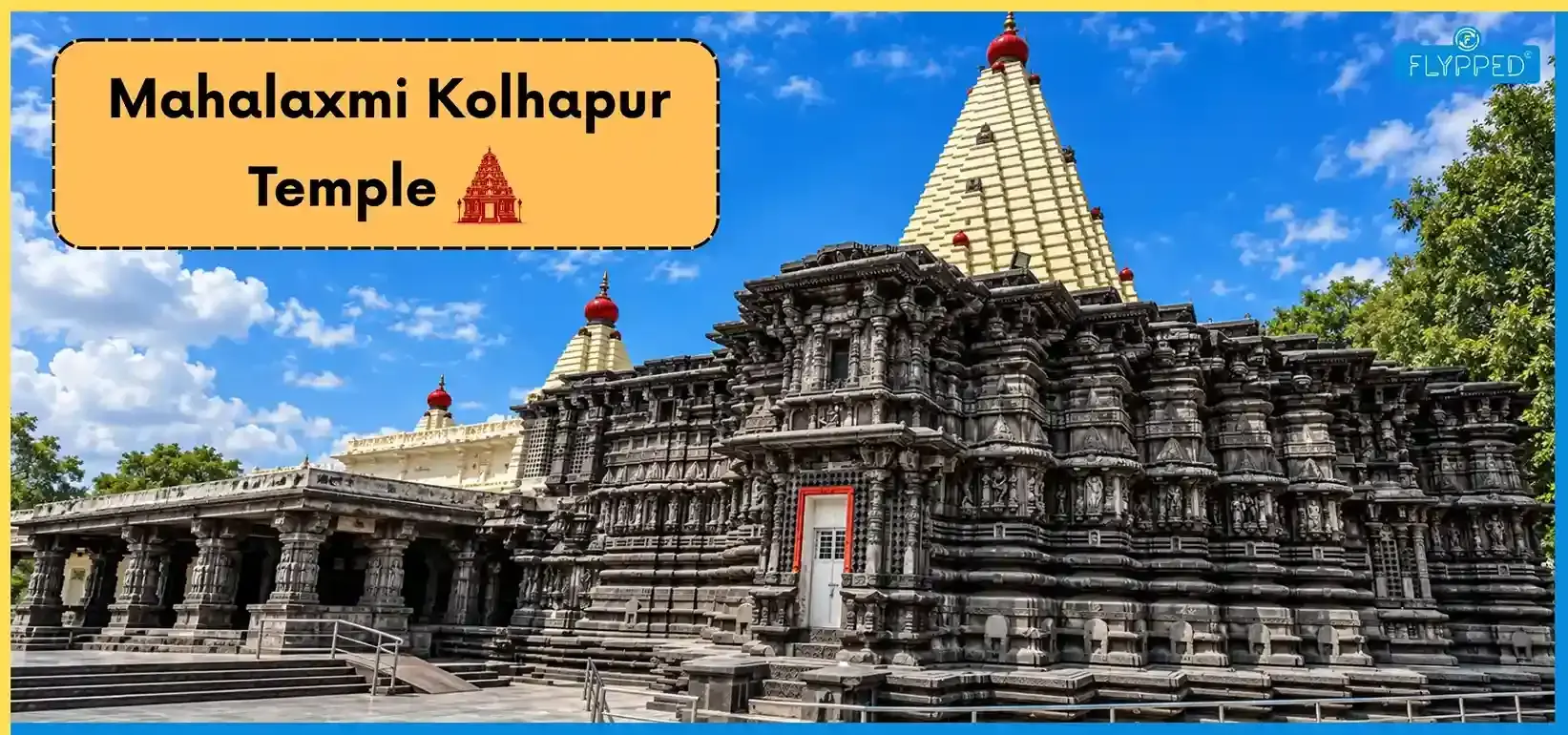
Mahalaxmi Temple is a celebrated spiritual haven nestled in Kolhapur, India, devoted to the goddess Mahalaxmi.
This revered site is central to Hindu worship and draws millions of devotees each year.
More than just a place of prayer, it embodies a fusion of faith, devotion, and vibrant traditions. But what does this truly mean for those who visit?
The temple's architecture is truly captivating, featuring intricate carvings and designs that highlight the artistic skills of its creators.
NOTE: Read spiritual insights, meditation tips, religious stories, and latest updates for mindful living.
At its heart stands the idol of Goddess Mahalaxmi, crafted from black stone, serving as a focal point for worshippers seeking her blessings for wealth and prosperity.
Throughout the year, the temple comes alive with festivals that celebrate the divine presence and mark significant events in the Hindu calendar.
As visitors look at the history of the Kolhapur Mahalaxmi Temple, they uncover a mix of mythological legends tied to the goddess and her enduring significance through the ages.
With such profound cultural and spiritual importance, it’s easy to see why the Mahalaxmi Temple remains a cherished pilgrimage destination, revered for its sacred atmosphere and historical heritage.
About Mahalaxmi Temple
1. Historical Background
Mahalaxmi Temple boasts a fascinating history that stretches back centuries. It's believed to have been founded in the 7th century, reflecting the devotion of its creators and early followers, who aimed to honour Goddess Mahalaxmi.
Through the years, the temple has stood strong, becoming a spiritual sanctuary for countless devotees.
Ongoing development and upkeep, supported by contributions from many faithful visitors, ensure the temple remains a vibrant presence in the community.
Local legends often tell tales of the temple's beginnings, highlighting the roles of devoted individuals who have shaped its legacy.
Their unwavering faith and dedication helped transform the temple into a revered site that continues to flourish today.
2. Cultural Importance
Mahalaxmi Temple holds a significant place in the hearts of many in Kolhapur and beyond.
It acts as a hub for cultural and religious events, where traditions are honoured and shared among visitors.
The temple not only strengthens community bonds but also promotes regional customs, shaping local life through festivals, art, and music.
Every year, major temple celebrations draw thousands of attendees, reinforcing its status as a cultural landmark.
The lively atmosphere during these festivities showcases the deep connection between the temple and its devotees, highlighting how this sacred space enriches the area's spiritual and cultural landscape.
The influence of Mahalaxmi Temple reaches far beyond its physical boundaries, resonating deeply with those who seek its blessings and guidance.
Where is Mahalaxmi Temple Located?
1. Geographic Context
The Mahalaxmi Temple rests in the vibrant heart of Kolhapur, Maharashtra, India. This lively city boasts a rich cultural heritage and numerous historical sites.
Conveniently located near the bustling city centre, the temple is easily reachable for locals and visitors alike.
Nearby, you'll find the serene Panchganga River and the historic Kolhapur Fort, which not only enhance the temple's significance but also offer additional attractions for those exploring the area.
2. Travel Information
If you're planning a visit, the ideal time to explore the Mahalaxmi Temple is during the cooler months from October to March.
These months offer pleasant weather perfect for outdoor activities and temple visits. Getting to the temple is easy, with several transportation options.
Kolhapur features a railway station that connects to major cities, and the nearest airport is just a short drive away.
For local transportation, auto-rickshaws and taxis are readily available, ensuring that pilgrims and tourists can easily reach the temple from different parts of the city.
Whether you’re seeking a spiritual experience or simply wish to admire the architectural beauty, the Mahalaxmi Temple welcomes all who come.
Why is the Temple Famous?
1. Unique Features
The Mahalaxmi Temple stands out for its exceptional architecture and spiritual atmosphere, making it unlike many other temples.
Its intricate carvings and grand entrance immediately draw visitors in. The temple exudes a tranquil vibe that fosters peace and devotion.
Pilgrims and tourists alike are eager to explore this sacred site, enchanted by its rich history and vibrant cultural scene.
Its reputation for bestowing blessings of prosperity and abundance only adds to its charm, making it a must-visit spot in Kolhapur.
2. The Sacred Idol of Goddess Mahalaxmi
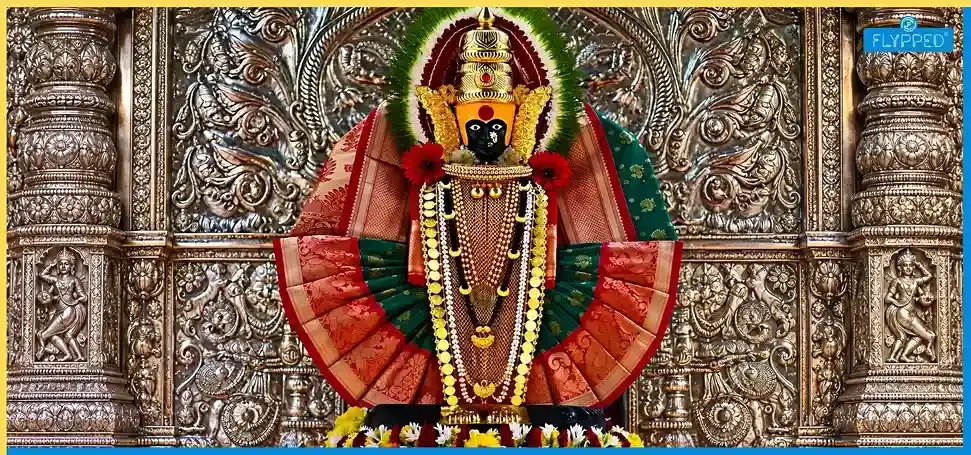
At the centre of the Mahalaxmi Temple is the revered idol of Goddess Mahalaxmi, crafted from black stone and adorned with exquisite jewellery.
This idol holds great importance for devotees, representing wealth, prosperity, and good fortune.
Worshippers believe that praying to this idol invites blessings into their lives and encourages them to seek her divine guidance in their pursuits.
The idol's artistry reflects the region's rich cultural heritage, captivating everyone who comes to appreciate its beauty.
Major Festivals Celebrated at Mahalaxmi Temple
The temple truly comes alive during various festivals, attracting large crowds eager to join in the festivities. Some of the key celebrations include:
Navratri
A lively nine-night festival dedicated to the goddess, filled with dance, music, and elaborate rituals.
Diwali
The festival of lights is celebrated with great splendour, illuminating the temple and its surroundings, symbolising the triumph of light over darkness.
Other Local Celebrations
Throughout the year, several regional festivals take place, allowing devotees to engage in traditional rituals and express their devotion.
These celebrations not only deepen the temple's spiritual significance but also build a strong sense of community among attendees, ensuring every visit is memorable.
Kolhapur Mahalaxmi Temple Mythological History
1. Ancient Legends and Myths
The Mahalaxmi Temple's history is rich with ancient legends and myths that enhance its charm.
Many stories celebrate Goddess Mahalaxmi as a formidable deity who bestows wealth and prosperity.
One well-known tale tells of how she defeated the demon king, Mahishasura, restoring harmony and abundance to the land.
This triumph not only positions her as a symbol of strength but also elevates the temple's cultural significance.
These narratives have been cherished and shared through generations, inspiring devoted followers who see the goddess as a guardian and a source of motivation in their lives.
These legends extend beyond folklore; they shape the community's cultural identity.
The festivals and rituals held at the temple often echo these age-old stories, nurturing a sense of belonging among worshippers.
The myths tied to the temple highlight the enduring power of faith and the essential role the goddess plays in her devotees' lives.
2. Role of the Temple Through Centuries
Over the centuries, the Mahalaxmi Temple has been a cornerstone of Kolhapur's spiritual and cultural life.
Founded in the 7th century, it has undergone numerous transformations, adapting to the evolving times while retaining its core spirit.
Key moments, such as support from local rulers and the participation of various communities, have shaped the temple's rich history.
Over the years, the temple has become a hub for cultural activities, showcasing the region's vibrant heritage.
It has served as a gathering place for worshippers, fostering a strong sense of community.
Today, the temple stands not just as a spiritual haven but also as a historical landmark, embodying the resilience and devotion of countless individuals who have enriched its legacy.
The ongoing reverence for the Mahalaxmi Temple ensures its enduring significance to Kolhapur's identity for generations to come.
Shri Mahalaxmi Temple Kolhapur Architecture
1. Architectural Design
The Mahalaxmi Temple's architecture is a breathtaking fusion of styles, showcasing exquisite carvings and remarkable craftsmanship.
Primarily built in the Hemadpanthi style, the temple combines stone with intricate woodwork.
The detailed sculptures and ornate pillars weave a captivating visual story that highlights the artistic talent of artisans from centuries ago.
What sets the Mahalaxmi Temple apart from other Indian temples is its unique black stone idol and the elaborate entrance.
It often draws comparisons to notable temples like the Jagannath Temple in Puri and the Meenakshi Temple in Madurai.
While each of these sacred sites reflects the rich cultural heritage of its region, the Mahalaxmi Temple's distinctive artistic elements mark it as a significant architectural wonder.
2. Preservation and Restoration Efforts
Efforts to preserve and restore the Mahalaxmi Temple have been crucial in maintaining its structural integrity and historical significance.
Local authorities and community members actively engage in initiatives that keep the temple a symbol of spiritual devotion and cultural legacy.
Regular maintenance and restoration work focus on preserving the original architectural features while enhancing the visitor experience.
Community involvement is vital to these preservation efforts. Local devotees often take part in fundraising activities, contributing to the temple’s upkeep and fostering a sense of ownership and pride.
These collaborative initiatives not only safeguard the temple's legacy but also strengthen the connection between the sacred site and its worshippers, ensuring that it continues to inspire future generations.
Secrets of Mahalaxmi Temple Kolhapur
1. Hidden Aspects
The Mahalaxmi Temple in Kolhapur holds many fascinating secrets that visitors often overlook.
One remarkable aspect is the daily ritual of adorning the sacred idol of Goddess Mahalaxmi with fresh flowers, showcasing the local community's deep devotion.
A hidden underground water tank is also believed to amplify the temple's spiritual energy, though it remains off-limits to the public.
The temple also practices lesser-known rituals that draw in its most devoted followers.
One such practice is known as "Chowki," where groups of devotees gather to chant prayers throughout the night.
This tradition fosters a strong sense of community and connection to the goddess, enriching the spiritual experience and allowing visitors to appreciate the temple's vibrant culture.
2. Visitor Experience
Visiting the Mahalaxmi Temple offers a chance to step into an atmosphere of tranquillity and reverence.
The stunning architecture and peaceful surroundings invite contemplation and devotion.
Many visitors suggest arriving early in the morning to avoid the crowds and truly soak in the serene ambience.
To enhance your experience, consider participating in the daily rituals and offerings.
Engaging with local devotees can deepen your understanding of the temple's significance and its rich traditions.
Dressing modestly is essential, as it shows respect for this sacred space and contributes to the spiritual environment.
Taking time to explore the temple grounds and the surrounding area can also offer valuable insights into the history and cultural heritage of this remarkable site.
Mahalaxmi Temple Timings and Darshan Information
Visiting Hours
The Mahalaxmi Temple welcomes devotees and visitors daily, from 5:00 AM to 10:00 PM.
During special occasions like Navratri and Diwali, the temple often extends its hours, opening earlier and closing later to accommodate the larger crowds.
Check the temple’s official announcements for any timing changes during these festive periods.
Darshan Procedures
When performing darshan at the Mahalaxmi Temple, devotees usually enter through the main gate and follow a designated path leading to the sanctum, where the sacred idol of Goddess Mahalaxmi is located.
Maintaining decorum and respecting the sanctity of the space is essential. Visitors are encouraged to offer prayers quietly and should refrain from using mobile phones while within the temple grounds.
To ensure a respectful experience, dressing modestly is highly recommended.
This not only honours the temple's sacredness but also aligns with the cultural practices observed at such holy sites.
Many devotees participate in rituals like lighting lamps or offering flowers, which enriches the spiritual experience.
Engaging with the temple's traditions fosters a deeper connection with the divine and the vibrant community that thrives around the temple.
Lalita Panchami and Other Annual Events
Lalita Panchami is another important event in the temple's annual religious calendar.
Along with major festivals, the temple also observes several other rituals and annual celebrations.
These events help preserve the temple's religious traditions and connect present-day devotees with customs passed down through generations.
Travel Guide for Devotees Visiting Mahalaxmi Temple
Best Times to Visit
The ideal time to visit Mahalaxmi Temple Kolhapur is during the cooler months, particularly from October to March.
This period coincides with several major festivals, including Navratri and Diwali, which draw large crowds and fill the temple with vibrant festivities.
These special occasions often feature unique rituals and celebrations, offering an unforgettable experience for visitors.
Travel Tips
To ensure a smooth visit, here are some essential travel tips:
- Recommended Attire: Dress modestly, covering your arms and legs.
- Local Accommodations: Look for hotels or guesthouses close to the temple.
- Dining Options: Don't miss the chance to savour local cuisine at nearby eateries.
Essential Items to Carry:
- Water bottle
- Comfortable shoes
- Small offerings (like flowers)
- A light shawl or scarf
Recent Developments and Conservation Efforts
Ongoing Restoration Projects
Recent initiatives include ongoing restoration projects to preserve the temple's historical significance.
These efforts focus on repairing structural damage and maintaining the temple's intricate artistic features.
Such initiatives are vital in ensuring future generations can appreciate this sacred site.
Community Involvement
Local organisations play a key role in these conservation efforts, often partnering with temple management.
Their involvement not only aids in preservation but also fosters a sense of community pride.
Binkhambi Ganesh Mandir Kolhapur - A Must-Visit Holy Site Near Mahalaxmi Temple
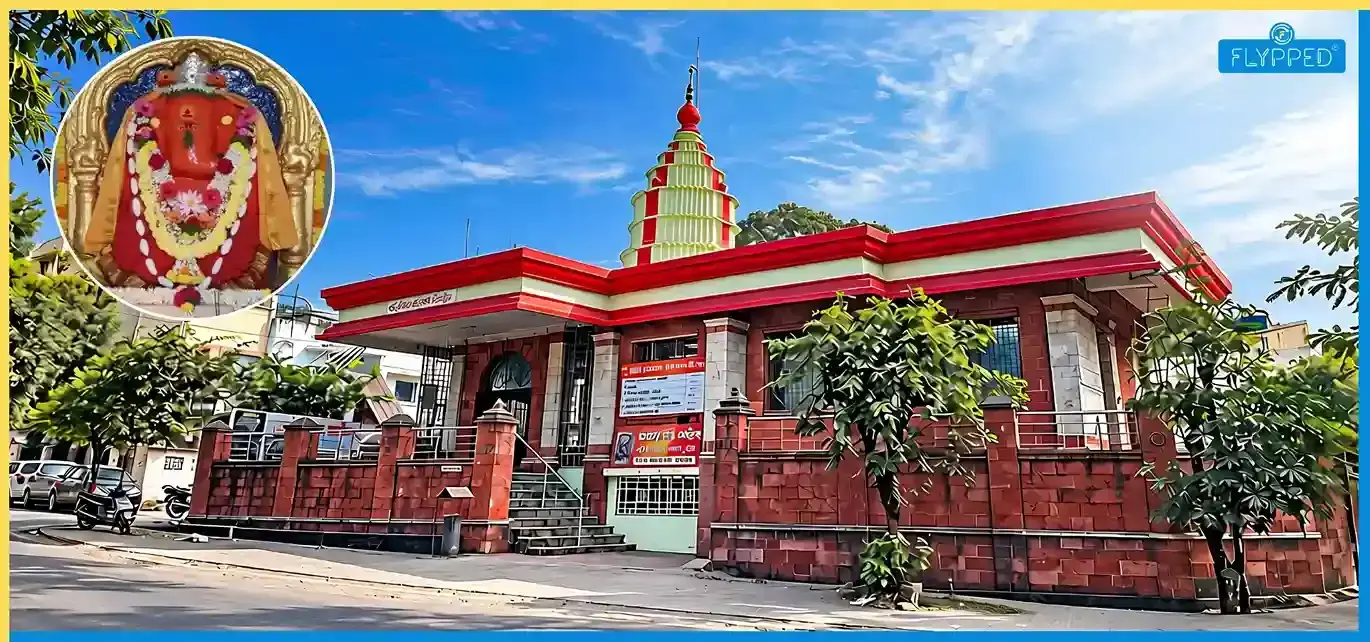
Just 200 to 350 meters from Mahalaxmi Temple lies a temple dedicated to Lord Ganesh.
Known as Binkhambi Ganesh Mandir Kolhapur, it is a revered religious site that captivates visitors with its stunning architecture and lively cultural scene.
It's a place where spirituality meets community, drawing countless devotees and tourists, especially during festive celebrations.
Local devotees came together to establish a spiritual haven dedicated to Lord Ganesha.
Over the years, the temple has marked several historical milestones, each adding to its fascinating legacy.
During major festivals like Ganesh Chaturthi and Navaratri, the temple becomes a vibrant focal point, with thousands joining in heartfelt worship and festivities that highlight its cultural significance.
Devotees are currently gearing up for Ganesh Chaturthi, which falls on 14th September (Monday).
Marking the birth anniversary of the elephant-headed god, the story begins with Goddess Parvati creating Ganesha from clay and bringing him to life.
When Lord Shiva returned home, he found Ganesha guarding the door. Angry when Ganesha refused to let him enter, Shiva cut off his head.
Heartbroken, Parvati threatened to destroy the world. To calm her, Lord Vishnu found a young elephant facing north and brought its head. Shiva placed it on Ganesha’s body, reviving him.
To comfort Parvati, Shiva declared Ganesha would be worshipped first among all gods and named Ganapati, meaning “head of the ganas.”
Reason Behind Goddess Laxmi Worship with Lord Ganesh in Diwali
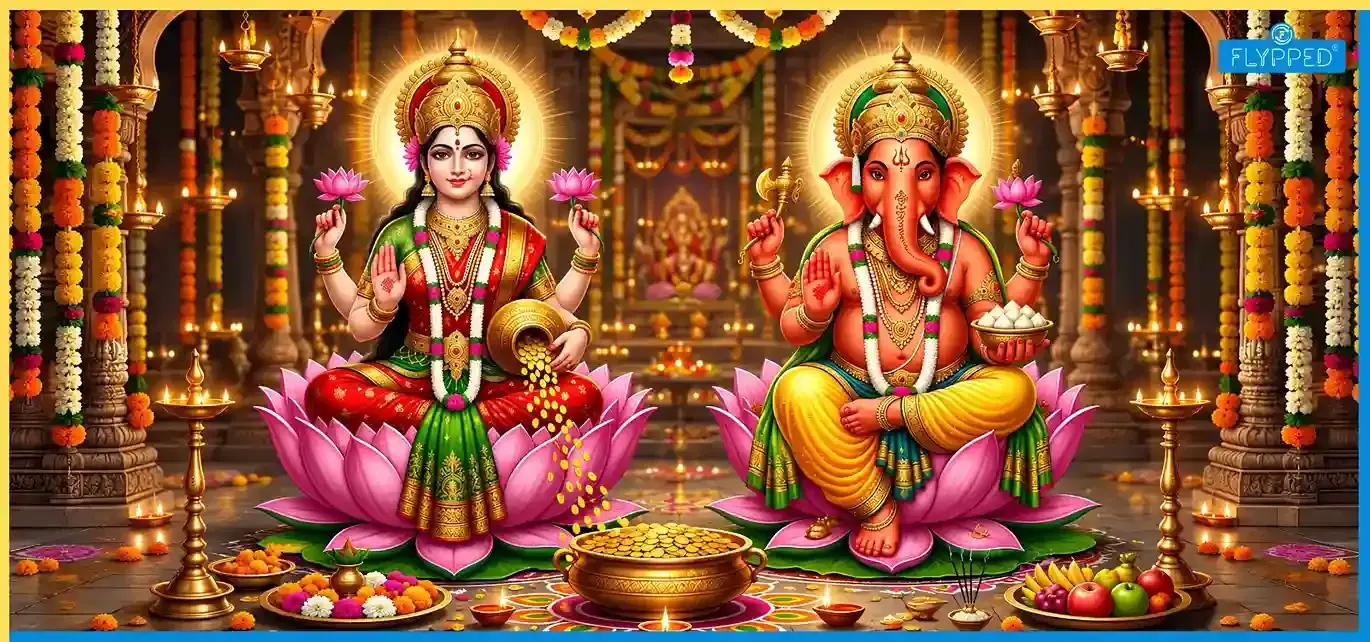
Ever wonder why people worship Goddess Laxmi along with Lord Ganesha during Diwali?
Goddess Laxmi and Lord Ganesha hold special significance during this auspicious festival.
Laxmi represents wealth, prosperity, and abundance, while Ganesha is revered as the remover of obstacles and a symbol of new beginnings.
Their combined worship reflects the belief that true success requires both prosperity and a clear path forward.
During Diwali, devotees offer prayers, sweets, flowers, and light lamps to honour them.
Together, they symbolise hope for happiness, success, prosperity, and a brighter year ahead.
Conclusion
The Mahalaxmi Temple is more than a place of worship; it is an important part of Kolhapur’s cultural and spiritual identity.
Every year, thousands of devotees visit to seek the blessings of Goddess Mahalaxmi.
The temple showcases the region’s rich architectural and artistic heritage, with traditions rooted in centuries-old myths and rituals.
Its sacred idol, stunning architecture, and peaceful surroundings create an atmosphere of devotion and contemplation.
Whether you are interested in spirituality, local customs, history, or architecture, the temple offers a memorable experience.
A visit lets you connect with centuries-old traditions and witness the vibrant heritage that continues to thrive within its sacred walls.
Read More:
Frequently Asked Questions
Find answers to common questions about this topic
Mahalakshmi Temple is famous as one of Mumbai’s most revered temples dedicated to Goddess Mahalakshmi. Devotees visit the temple to seek blessings for prosperity, happiness, and success. Its spiritual importance, beautiful idols, and location near the Arabian Sea make it a popular pilgrimage and tourist destination.
The three main idols in Mahalaxmi Temple are Goddess Mahalakshmi, Goddess Mahakali, and Goddess Mahasaraswati. They represent prosperity, power, and knowledge, respectively. Devotees worship all three goddesses together and seek their blessings for a balanced and prosperous life.
According to Hindu beliefs, Goddess Lakshmi is associated with prosperity, purity, and good fortune. Disrespect, dishonesty, greed, laziness, and a lack of cleanliness are traditionally considered displeasing to her. Maintaining cleanliness, practising kindness, and being honest are considered ways to invite her blessings.
According to Hindu mythology, Goddess Mahalakshmi emerged during the Samudra Manthan, or churning of the cosmic ocean. She chose Lord Vishnu as her consort and became associated with wealth, prosperity, fortune, and abundance. Different Hindu traditions narrate her origin and significance in slightly different ways.
Alakshmi is traditionally described in some Hindu texts and folklore as the elder or dark sister of Goddess Lakshmi. She is associated with misfortune, poverty, discord, and hardship, while Lakshmi represents prosperity, abundance, and good fortune. Traditions surrounding Alakshmi vary across sources.
There is no single universally accepted “lucky” god name for a girl. In Hindu tradition, names associated with Lakshmi, Saraswati, Durga, Parvati, or other deities are often considered auspicious. The choice may depend on family tradition, meaning, birth nakshatra, or personal beliefs.