
Sai Baba Temple: Complete Guide to Shirdi Sai Baba Temple, History, Timings & Travel Information
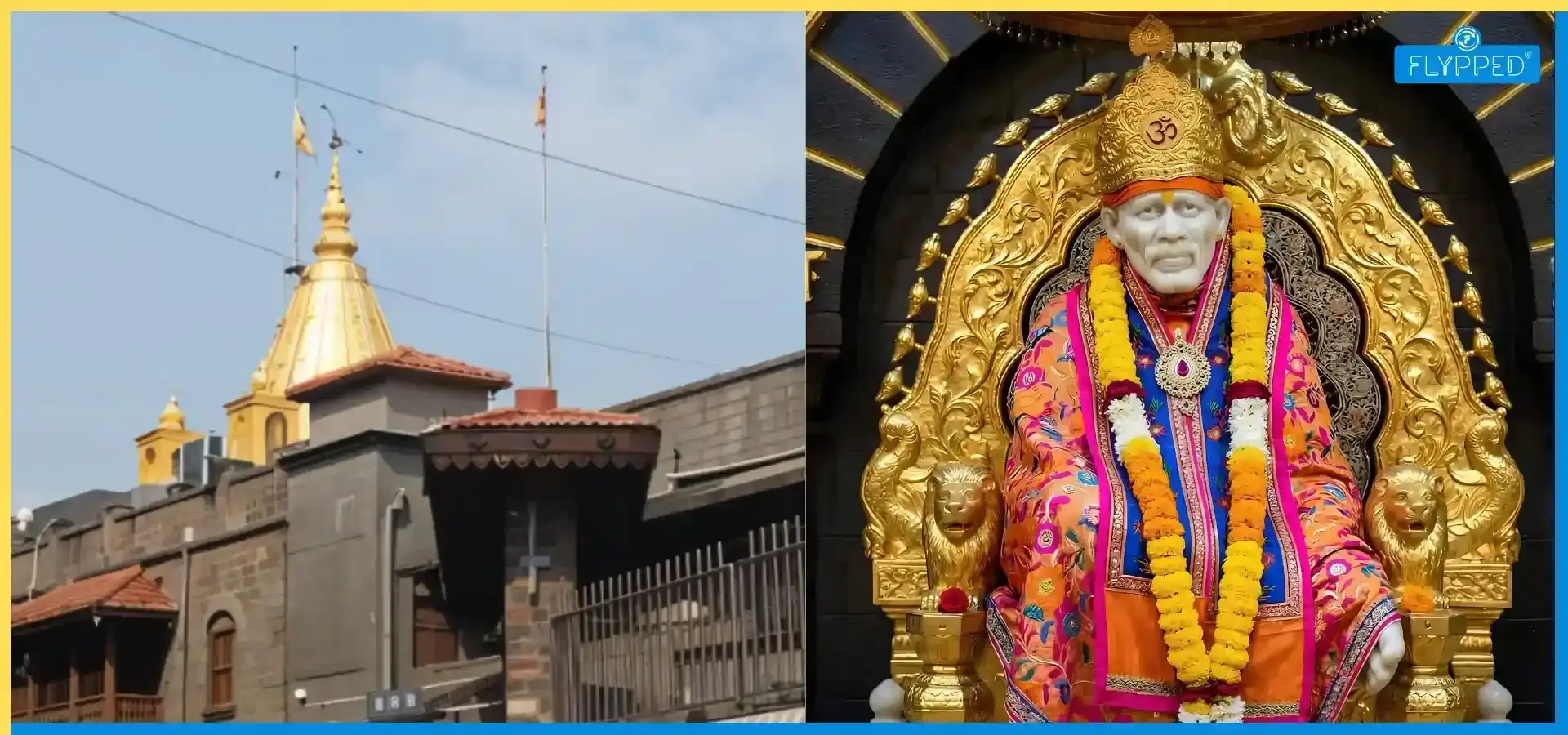
The Sai Baba Temple in Shirdi is one of India's most important pilgrimage sites. Every year, people from different backgrounds come here to seek blessings from Shirdi Sai Baba.
Many celebrities from the worlds of cinema, sports, and other fields also visit this temple.
In brief, Shirdi is a small town in Maharashtra’s Ahmednagar district and is best known as the home of Shirdi Sai Baba.
Today, people see it as a symbol of peace, faith, love, and unity.
What is the Sai Baba Temple?
The Shirdi Sai Baba temple in Maharashtra, is a holy shrine dedicated to Sai Baba who became famous as Shirdi Sai Baba, ever since he was welcomed by a priest called Malsapati, who first time addressed him as ‘Aao Sai’.
Like Guru Nanak, and others, Shirdi Sai Baba is also among the respected spiritual saints known today.
Shirdi attracts many people from all walks of life. According to devotees, they have experienced positive results in their life ever since they have prayed to Sai Baba.
They believe he listens to their prayers. Talking about the temple, it was built at the place where Sai Baba’s mortal remains were laid, after he took mahasamadi in 1918.
Importance of Sai Baba in Indian Spirituality
Sai Baba was a spiritual figure who led a simple lifestyle, collecting his daily alms and helping people remove their troubles.
He used to reside in an old, dilapidated masjid, called Dwarkamai.
Some people believe that Baba was a Muslim because of his attire, including a white Kafni, a white headscarf, and a simple shoulder cloth that appeared similar to a Muslim fakir.
But in reality, he was beyond any religion and did not stick to any particular religious sect.
His followers included both Muslims and Hindus. Baba used to say ' Sabka Maalik hai’, meaning ‘The master of all is one’, and taught people to practice ‘Shraddha’ (Faith) and ‘Saburi’ (Patience).
He may not be in physical form, but he is still believed to guide millions of people even today through his teachings, as conveyed in Shri Satcharitra, authored by Govind Raghunath Dabholkar, famously known as Hemant Sastri, a government officer and a scholar.
Baba was secular and never encouraged division or discrimination among people of different religions.
He loved both and promoted harmony among communities. His teachings have made him one of the most beloved spiritual figures in India.
Why Shirdi Became a Major Pilgrimage Destination
Shirdi, the Sai Baba temple during Sai Baba’s time, was a small village that later became a major pilgrimage centre, as it is the place where Baba spent his whole life, guiding people from nearby villages and distant cities as a spiritual master.
Even after his death, or, say, Mahasamadi on Dussehra, there was no drop in the number of his devotees who continued to visit Shirdi, take blessings from Baba, and have a divine experience in its spiritual atmosphere.
Sai Baba History: The Life and Teachings of Sai Baba
Besides visiting Shirdi to get Baba’s blessings, one must know the history of this sacred saint, only then he will become familiar with the significance of Shirdi.
Early Life and Arrival in Shirdi
Till now, the accurate details of Shirdi Sai Baba’s birth and childhood are not known. According to historians, they have different perspectives on his early life.
Based on facts, Baba arrived in Shirdi as a young saint during the mid-19th century.
He was seen meditating under a neem tree, which miraculously does not taste bitter unlike most neem trees. That is why it says ‘’Hua Neem Meetha, Sai Nazar Se’’.
His simple lifestyle, wisdom, and kindness attracted many followers. People began visiting him for guidance, healing, and spiritual advice.
Teachings That Continue to Inspire Millions
Sai Baba's teachings were simple and practical. He encouraged people to:
- Have faith in God.
- Be patient during difficult times.
- Help those in need.
- Treat everyone with respect.
- Avoid hatred and discrimination.
- Live honestly and truthfully.
He believed that serving humanity was one of the highest forms of worship. His messages remain relevant even today and inspire people to live meaningful and compassionate lives.
NOTE: Read spiritual insights, meditation tips, religious stories, and latest updates for mindful living.
Mahasamadhi and Legacy
Saibaba breathed his last and attained Mahasamadhi on 15th October, 1918. His body was placed in the Buti Wada building, which was later called the Samadhi Mandir.
Even after his death, devotees with firm faith in him still claim to experience his divine presence and blessings.
Baba’s legacy has never waned and continues to grow among his devoted followers.
One key fact about Sai Baba was his miraculous ability to heal people who came to him for help.
He used to give them a Uddi, and surprisingly, it used to work on them and heal their diseases.
One major miracle he did was blowing the diyas with water. It all happened when no shopkeeper would grant him oil, and he, without cursing any of them, lit the diyas with water.
Since then, people have completely understood that he was a divine soul who came to earth to help them.
It is said that Sai Baba had an intuition that something was going to happen and used to save his bhaktas by bearing all the pain himself.
There are several incidents of his miracles that you can read in the book Shri Sai Satcharitra by Hemant Pant.
Shirdi Sai Baba Temple: An Overview
The Shirdi Sai Baba Temple is managed by the Shri Sai Baba Sansthan Trust and serves millions of pilgrims every year.
Historical Background of the Temple
Sai Baba Temple: The temple stands at the location where Sai Baba's mortal remains were interred. What was once a simple structure gradually developed into a large temple complex to accommodate increasing numbers of devotees.
The temple has undergone several expansions and improvements while preserving its spiritual significance. Today, it is one of the wealthiest and most organized religious institutions in India.
Spiritual Importance for Devotees
For devotees, visiting the temple is more than just a religious journey. Many believe that Sai Baba fulfills sincere prayers and provides strength during difficult times.
The peaceful atmosphere inside the temple encourages prayer, reflection, and spiritual connection. Devotees often report feeling calm and hopeful after visiting Shirdi.
Major Attractions Within the Temple Complex
Sai Baba temple complex includes several important locations:
Samadhi Mandir
This is the main shrine where Sai Baba's Samadhi is located. A beautiful marble statue of Sai Baba sits above the Samadhi.
Dwarkamai
The mosque where Sai Baba lived for many years. The sacred fire known as "Dhuni" still burns here.
Chavadi
A place where Sai Baba spent alternate nights during the later years of his life.
Gurusthan
Believed to be the place where Sai Baba was first seen meditating under a neem tree.
Lendi Baug
A peaceful garden where Sai Baba often spent time in meditation.
Shirdi Sai Baba Temple Architecture
The temple combines spiritual significance with beautiful architecture.
Design and Construction Features
The temple complex is designed to accommodate large crowds while maintaining a peaceful atmosphere. White marble, polished stone, and traditional architectural elements enhance the beauty of the shrine.
The layout allows devotees to move comfortably through different prayer areas and sacred sites.
The Sacred Samadhi Mandir
The Samadhi Mandir is the heart of the Sai Baba Temple complex. It houses the marble statue of Sai Baba, which was sculpted by renowned artist Balaji Vasant Talim.
The statue portrays Sai Baba in a calm and compassionate posture. Devotees often spend several moments here offering prayers and seeking blessings.
Modern Facilities Within the Temple Complex
To serve millions of visitors, the temple offers several modern facilities, including:
- Clean waiting areas
- Drinking water stations
- Prasad distribution counters
- Accommodation facilities
- Medical assistance
- Security arrangements
- Online darshan booking services
- Cloakroom facilities
These amenities help ensure a smooth and comfortable pilgrimage experience.
Shirdi Sai Baba Temple Timings
The temple generally opens early in the morning and remains accessible until late at night.
Daily activities include:
- Kakad Aarti (Morning Aarti)
- Madhyan Aarti (Afternoon Aarti)
- Dhoop Aarti (Evening Aarti)
- Shej Aarti (Night Aarti)
Temple timings may change during festivals, special events, or holidays. Visitors should check the latest schedule before planning their trip.
Here is a brief overview of Shirdi Sai Baba Temple Darshan Timings:
| Detail | Timing/Information |
| Temple Opening Time | 04:00 AM |
| Temple Closing Time | 11:00 PM |
| Regular Darshan Start Time | Around 05:40 AM |
| Darshan Location | Samadhi Mandir |
| Festival Days | Guru Purnima, Rama Navami, and Dussehra |
| Special Festival Schedule | Temple remains open overnight on these festival days |
The Role of the Sai Baba Trust
The Shri Sai Baba Sansthan Trust manages the temple and oversees its daily operations.
The trust is responsible for:
- Temple maintenance
- Devotee services
- Educational initiatives
- Healthcare programs
- Charitable activities
- Accommodation management
- Festival organization
The trust plays an important role in preserving Sai Baba's teachings and supporting community welfare projects.
Best Time to Visit Shirdi Sai Baba Temple
Shirdi can be visited throughout the year, but some periods offer a more comfortable experience.
October to February
This is considered the best time to visit because the weather is pleasant and suitable for sightseeing.
March to June
Summers can be hot, with temperatures often rising significantly during the day.
July to September
The monsoon season brings greenery and cooler temperatures, making the surroundings beautiful.
Festival Seasons
Major celebrations such as Ram Navami, Guru Purnima, and Vijayadashami attract large crowds. Visiting during these festivals offers a unique spiritual experience but may involve longer waiting times.
Darshan Experience at Shirdi Sai Baba Temple
The darshan experience is the highlight of every visit to Shirdi.
Devotees usually join organized queues to enter the Samadhi Mandir. The Sai Baba Temple management has implemented efficient systems to handle large crowds.
Many visitors describe the moment of seeing Sai Baba's statue and Samadhi as deeply emotional and peaceful. The atmosphere is filled with devotion, prayers, and spiritual energy.
Visitors can also attend various aartis, which are considered highly sacred and memorable experiences. The devotional singing and rituals create a powerful spiritual environment.
Nearby Places to Visit Around Shirdi
While visiting Shirdi, travelers can explore several nearby attractions.
1. Shani Shingnapur
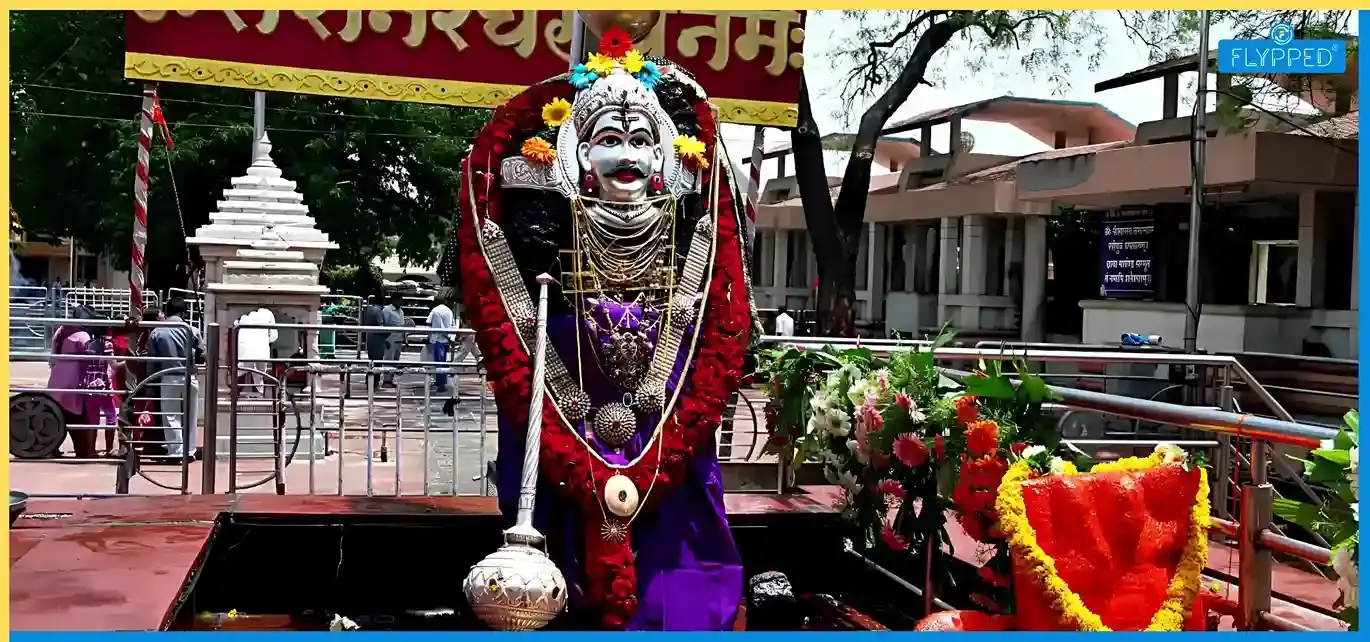
A famous village dedicated to Lord Shani. It is known for its unique tradition of houses without doors.
2. Sai Heritage Village
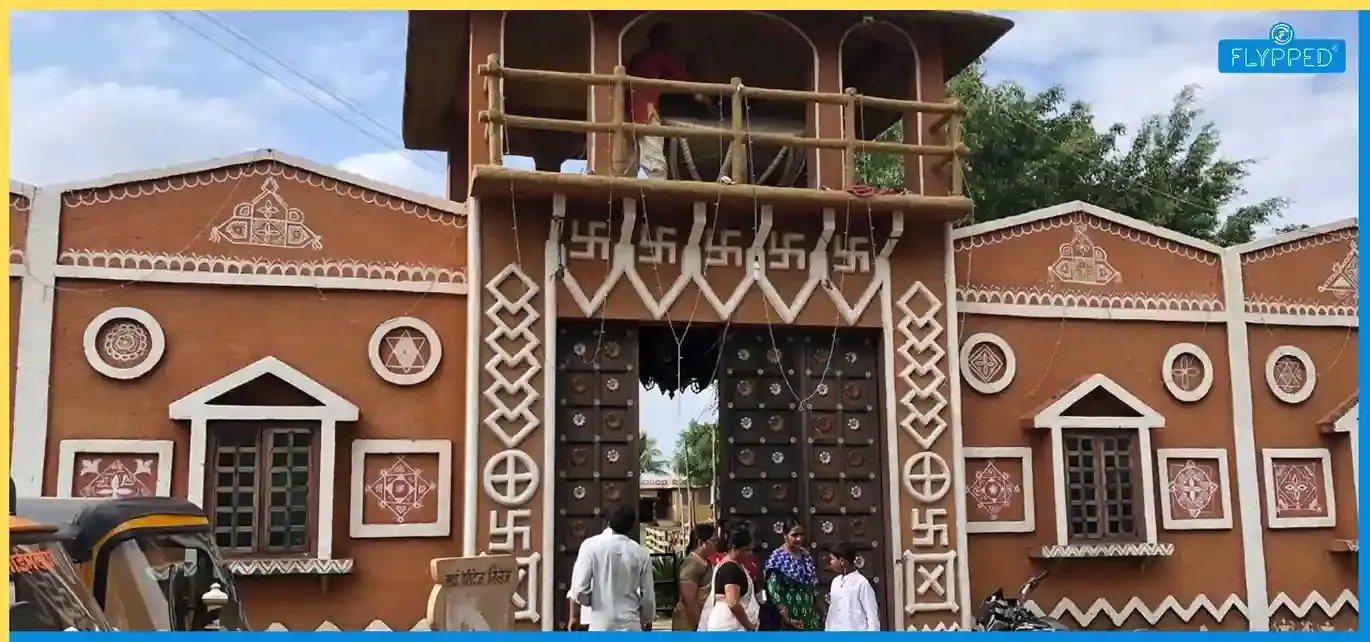
A theme-based attraction that showcases scenes from Sai Baba's life.
3. Wet N Joy Water Park

A family-friendly destination offering water rides and entertainment.
4. Dixit Wada Museum
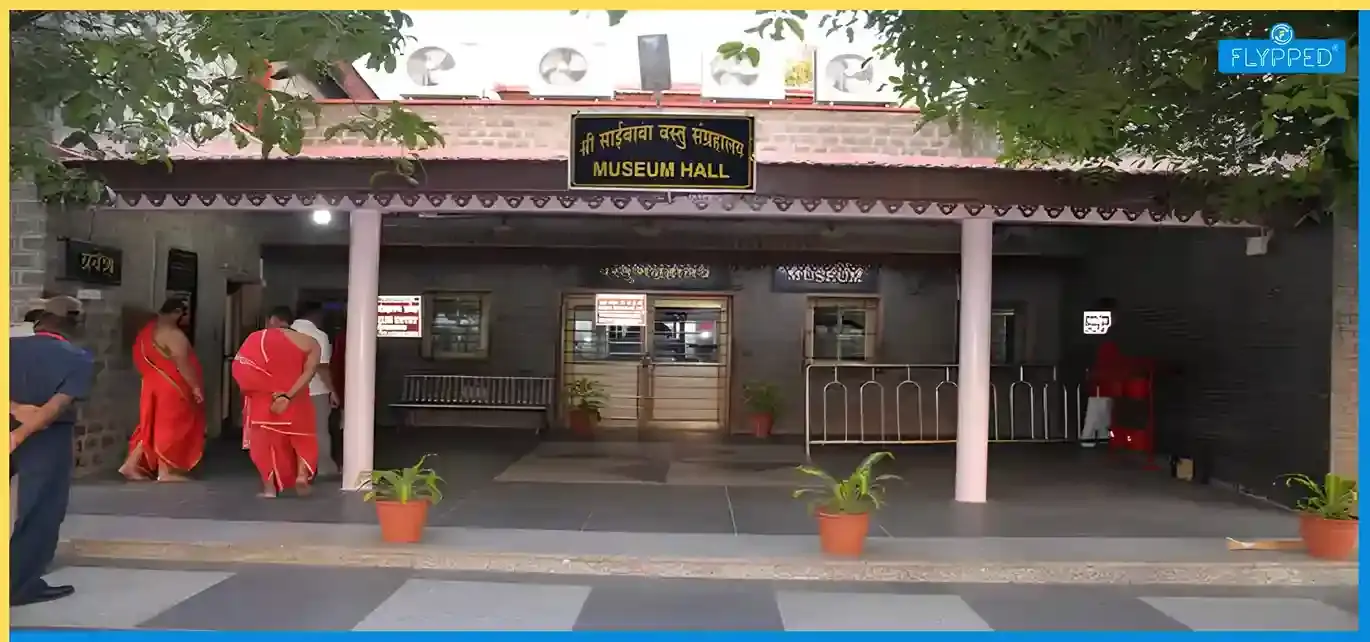
A museum displaying photographs, personal belongings, and historical items related to Sai Baba.
5. Khandoba Temple
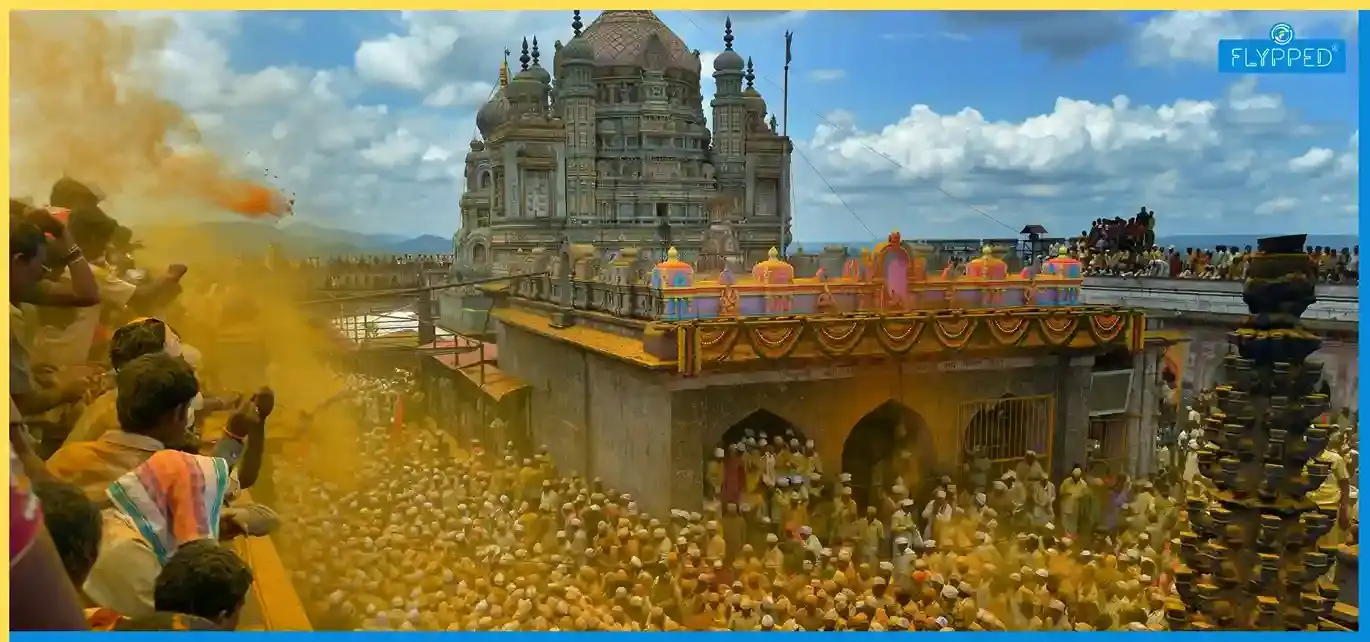
An important temple associated with Sai Baba's arrival in Shirdi.
Travel Tips for First-Time Visitors
If you are visiting Shirdi for the first time, these tips can help:
- Book accommodation in advance during peak seasons.
- Wear comfortable and modest clothing.
- Carry water and essential medicines.
- Arrive early for a smoother darshan experience.
- Follow temple rules and security guidelines.
- Keep your belongings secure.
- Use official booking platforms for darshan and accommodation.
- Attend at least one aarti for a complete spiritual experience.
- Respect the religious sentiments of fellow devotees.
- Plan extra time if visiting during festivals or weekends.
About Sudhir Dalvi, the Actor Who Played the Role of Shirdi Saibaba
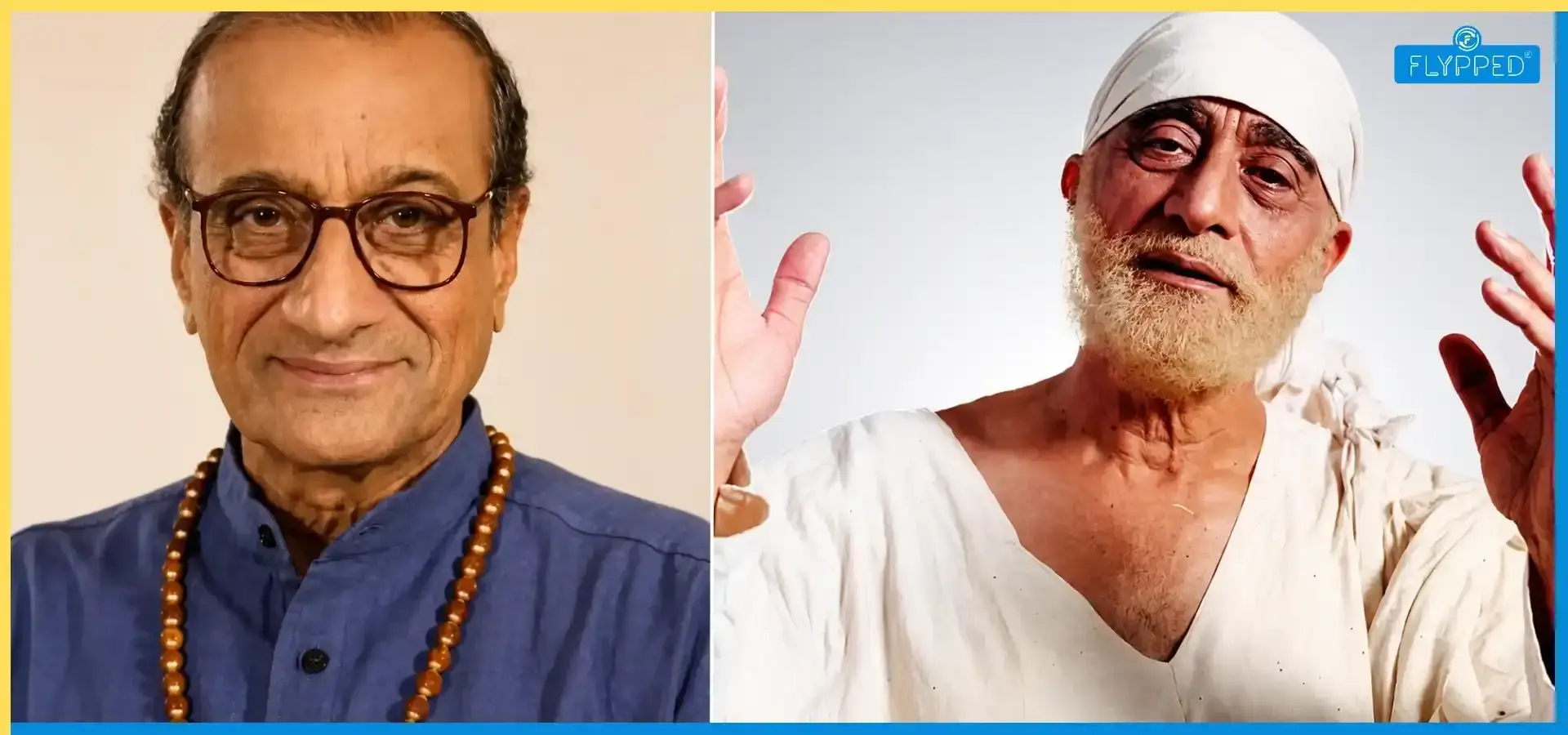
There have been actors who are still known for a single iconic role. Among the top examples to name are Arun Govil as Lord Ram in Ramanand Sagar’s Ramayana, Nitish Bharadwaj as Lord Krishna in BR Chopra’s Mahabharat, and Mohit Raina as Lord Shiva in Devon Ke Dev Mahadev.
Well, there is one more actor on the list, veteran Sudhir Dalvi, who played the role of Shirdi Sai Baba in Manoj Kumar’s directorial film Shirdi Ke Sai Baba. It also starred late actor Rajinder Kumar and Hema Malini.
After this, there was another film titled Shirdi Sai Baba, in which he again played the main character, and it also starred various well-known actors, including Dharmendra, Suresh Oberoi, Arif Zakaria, Vijendra Ghatge, and Mohan Joshi.
Sadly, today this actor is in very critical condition and is battling for life.
'Shirdiwale Sai Baba': A Devotional Classic from Amar Akbar Anthony
The iconic song "Shirdiwale Sai Baba" from Amar Akbar Anthony became a massive hit and remains a staple at jagrans and bhajan kirtans even today. The devotional track was picturised on Rishi Kapoor, who played Akbar in the film.
Directed by Manmohan Desai, the movie featured an ensemble cast including Nirupa Roy, Pran, Amitabh Bachchan, Vinod Khanna, Shabana Azmi, Neetu Kapoor, and Parveen Babi.
Here is the song
When Shirdi Sai Baba Trust Got Court Nod to Help Ailing Sudhir Dalvi
Last year, the Aurangabad Bench of the Bombay High Court had approved financial support from the Shirdi Sai Baba Trust for veteran actor Sudhir Dalvi, who is being treated for sepsis.
The Trust requested the court’s permission to pay Rs 11 lakh for the actor’s treatment.
A previous order says the Trust must get the High Court’s approval for such expenses. The Trust’s lawyer, Anil S Bajaj, said the committee has agreed to help the actor financially.
Bajaj pointed out that Dalvi is famous for playing Sai Baba. Dalvi was admitted to Lilawati Hospital in Mumbai on October 30 and requested financial assistance of Rs 15 lakh.
Justices Vibha Kankanwadi and Hiten Venegaonkar asked the Trust to submit a new affidavit. They also requested documents about the actor’s ability to pay his hospital bills, his financial status, and proof of his treatment.
Dalvi’s wife sent the court a statement about his illness. She explained that he is bedridden and is now being cared for at home by two caretakers and a physiotherapist.
After looking at the details, the bench said, "We are convinced by the fact that the veteran actor is in need of financial help."
The bench also noted that Section 17(2)(2)(o) of the Shree Sai Baba Sansthan Trust (Shirdi) Act, 2004, allows the Trust to support noble causes that help people or provide aid during disasters.
Conclusion
The Shirdi Sai Baba Temple is much more than a religious destination. It is a place where faith, compassion, and spirituality come together.
The teachings of Sai Baba continue to inspire millions of people to live with patience, kindness, and devotion.
Whether you are seeking spiritual peace, historical insight, or a meaningful travel experience, a visit to Shirdi offers something truly special.
From the sacred Samadhi Mandir and Dwarkamai to the uplifting atmosphere of the temple complex, every part of the journey reflects Sai Baba's timeless message of faith and humanity.
For countless devotees, a trip to Shirdi is not just a pilgrimage—it is a life-changing spiritual experience that leaves a lasting impression on the heart.
Read More:
Frequently Asked Questions
Find answers to common questions about this topic
The most famous Sai Baba Temple is located in Shri Sai Baba Samadhi Mandir, in the town of Shirdi, Maharashtra. It is built around the samadhi (final resting place) of Sai Baba and attracts millions of devotees every year who visit to seek blessings, participate in aartis, and experience the spiritual atmosphere.
The Sai Baba Temple generally opens early in the morning and remains accessible until late at night, with scheduled breaks for rituals and aartis. Timings may vary during festivals and special occasions. Devotees are advised to check the official temple schedule before planning their visit.
Four major aartis are performed daily: Kakad Aarti (morning), Madhyan Aarti (afternoon), Dhoop Aarti (evening), and Shej Aarti (night). These ceremonies involve devotional songs, prayers, and offerings. Participating in an aarti is considered one of the most spiritually enriching experiences for Sai Baba devotees.
Sai Baba Temple symbolizes faith, devotion, and the message of unity among all religions. Sai Baba taught values such as compassion, patience, charity, and selfless service. The temple serves as a spiritual center where people from different backgrounds come together to pray and seek guidance.
Yes, devotees can book darshan passes, aarti passes, and accommodation online through the official website of the Shri Saibaba Sansthan Trust. Online booking helps reduce waiting time and allows visitors to plan their pilgrimage more conveniently, especially during weekends, holidays, and festival seasons.