Omkareshwar Jyotirlinga Temple: History, Location and Best Places to Visit
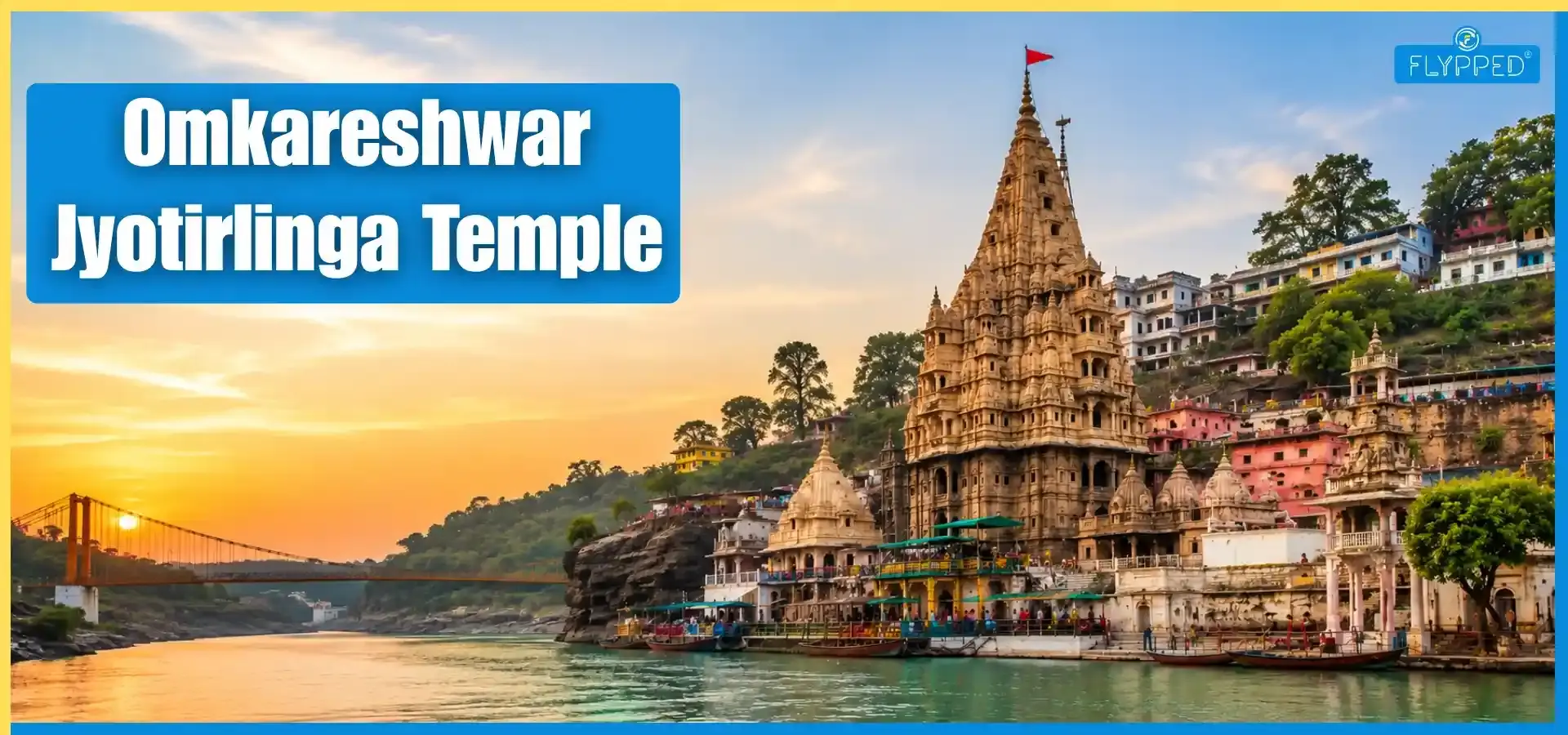
Nestled on a small, sacred island where the Narmada River bends into the shape of the holy "Om" symbol, the Omkareshwar Jyotirlinga is one of the twelve Jyotirlingas of Lord Shiva and among the most visited pilgrimage sites in Madhya Pradesh. Every year, lakhs of devotees travel here to seek blessings, witness the Narmada aarti and soak in the spiritual energy of this ancient temple town. This blog covers everything you need to know from its mythology to travel logistics for a smooth and meaningful pilgrimage.
NOTE: Read spiritual insights, meditation tips, religious stories, and latest updates for mindful living.
What is the Omkareshwar Jyotirlinga?
The word "Omkareshwar" is a combination of "Omkar" (the sacred sound and symbol "Om") and "Ishwar" (Lord Shiva). Together, it translates to "Lord of the Om Sound" or "The Lord Whose Form Is Om." It represents Shiva as the source of the primordial cosmic sound that is believed to have created the universe.
The temple gets its name from the unique, naturally Om-shaped island of Mandhata (also called Shivapuri) on which it stands. A Jyotirlinga is a shrine where Shiva is worshipped in the form of a "jyoti" or radiant light, and Omkareshwar is regarded as the fourth among the twelve Jyotirlingas of India, making it a cornerstone of the Jyotirlinga pilgrimage circuit.
Omkareshwar Jyotirlinga Story and Mythological History
According to the Omkareshwar Jyotirlinga story, the island takes its name from King Mandhata, a devout ruler of the Ikshvaku dynasty who performed intense penance on this spot to please Lord Shiva. Pleased with his devotion, Shiva is said to have manifested here as a self-formed (swayambhu) Jyotirlinga, which is why the island is also known as Mandhata or Shivapuri.
Another popular legend links the site to a fierce battle between the Devas (celestial beings) and Danavas (demons). When the Devas found themselves overpowered, they prayed to Shiva for help. Shiva appeared and defeated the demons, after which the Devas requested him to reside permanently on the island in the form of a Jyotirlinga, granting protection and blessings to all who worship there.
Omkareshwar finds mention in several ancient Hindu scriptures, including the Shiva Purana and the Skanda Purana which describe it as one of the twelve sacred abodes of Shiva\'s light form. These texts describe the spiritual merit of visiting the site and its significance in liberating devotees from fear and sin.
Omkareshwar Jyotirlinga Location and Geographical Importance
If you\'re wondering where is Omkareshwar Jyotirlinga, the temple is situated in the Khandwa district of Madhya Pradesh, on the northern bank of the Narmada River, on Mandhata Island. The main Omkareshwar shrine stands on the island itself, while its counterpart, the Mamleshwar Temple, lies on the southern bank, connected by a bridge.
The island\'s natural shape, resembling the Om symbol when viewed from above, is a major reason it\'s considered one of the holiest spots in Hinduism. Pilgrims also undertake the Parikrama (circumambulation) of the island, a roughly 7-km walk around its perimeter believed to bring immense spiritual merit.
Omkareshwar is well connected to major cities in Madhya Pradesh. Indore, the nearest big city and airport hub, lies about 77 km away via NH52. Khandwa, the nearest railway junction, is about 75 km away, while Ujjain (home to the Mahakaleshwar Jyotirlinga) is roughly 130 km from Omkareshwar.
Architectural Beauty of Omkareshwar Temple
The Omkareshwar temple is built in the North Indian Nagara style of architecture, characterized by a tall, curved shikhara (spire) and intricately carved stone pillars. The five-storied structure known as the Sabha Mandap (assembly hall) is a striking feature, with the sanctum sanctorum housing the Jyotirlinga at the base, its floor touched by the waters of the Narmada.
Beyond the main sanctum, the temple complex houses numerous smaller shrines dedicated to deities such as Ganesha, Kartikeya, Annapurna and various forms of Narmada Devi. Devotees often explore these shrines as part of a complete darshan experience.
Omkareshwar Jyotirlinga Temple Timings and Darshan Information
The temple generally opens at 5:00 AM and closes around 9:30–10:00 PM, with brief closures during midday Bhog (around 12:20 PM-1:15 PM) and evening Shringar (around 4:00 PM-4:15 PM) for rituals. The Mangala Aarti typically takes place between 5:00 AM and 5:30 AM, making early morning the most peaceful time for darshan. Regular darshan is free of cost, but for those wanting quicker access, VIP or "Shighra Darshan" tickets are available for a nominal fee.
For Omkareshwar Jyotirlinga online booking, devotees can visit the official Shri Omkareshwar Mandir Trust website to reserve VIP darshan slots, book Shiva Abhishekam rituals, and check real-time schedule updates. Carrying a valid photo ID (Aadhaar, PAN, passport, or driving license) is mandatory when booking VIP darshan. Since timings can shift during festivals, it\'s wise to confirm details with the temple office shortly before your visit.
Mahakaleshwar Jyotirlinga to Omkareshwar Distance and Travel Route
Many pilgrims combine visits to Ujjain\'s Mahakaleshwar Jyotirlinga and Omkareshwar Jyotirlinga since both lie in Madhya Pradesh. The Mahakaleshwar Jyotirlinga to Omkareshwar distance is approximately 130 km, and the journey by road typically takes around 3 to 3.5 hours depending on traffic and route conditions.
Best Ways to Travel
- By Road: Private cabs, taxis, and MPRTC buses connect Ujjain to Omkareshwar comfortably.
- By Rail: Take a train to Khandwa or Indore and continue by road.
- By Air: Fly into Indore\'s Devi Ahilyabai Holkar Airport, then travel onward by cab or bus.
Suggested Jyotirlinga Pilgrimage Route
A popular route for pilgrims covering multiple Jyotirlingas is:
- Ujjain (Mahakaleshwar)
- Omkareshwar
- Indore (for stay/shopping)
- Onward to other Jyotirlingas like Bhimashankar or Trimbakeshwar in Maharashtra.
This route lets devotees’ complete two significant Jyotirlinga darshans within a short travel window.
Places to Visit Near Omkareshwar Jyotirlinga
- Mamleshwar Temple: Located just across the bridge on the southern bank, many devotees consider a visit here essential to complete the Omkareshwar pilgrimage.
- Siddhanath Temple: An ancient temple known for its architectural carvings and historical significance.
- Kedareshwar Temple: A smaller shrine offering a quieter, contemplative darshan experience.
- Narmada Ghat: The riverside ghats where devotees take holy dips, offer prayers, and enjoy boat rides to view the Om-shaped island.
- Gauri Somnath Temple: Known for its massive stone Shivalinga and intricate carvings.
Festivals Celebrated at Omkareshwar Jyotirlinga
- Mahashivratri: The biggest festival at Omkareshwar, Mahashivratri draws massive crowds for night-long prayers, special aartis, and continuous darshan, with the temple often remaining open through the night.
- Shravan Month Festivities: During the holy month of Shravan (July–August), the temple sees a surge of devotees performing Jalabhishek and special rituals dedicated to Lord Shiva.
- Kartik Purnima Celebrations: On Kartik Purnima, devotees take a holy dip in the Narmada River and participate in special prayers, marking one of the most spiritually significant days at the temple.
Essential Travel Tips for Devotees
- Best Time to Visit: October to March offers pleasant weather; early mornings year-round are ideal for peaceful darshan.
- Accommodation Options: From Mandir Trust guesthouses to private hotels and MP Tourism resorts, Omkareshwar offers stays across budgets.
- Dress Code and Temple Etiquette: Dress modestly, remove footwear before entering the sanctum, and avoid carrying leather items inside.
- Safety & Photography Guidelines: Photography is typically restricted inside the sanctum sanctorum; keep valuables secure amid crowds, especially during festivals.
Final Thoughts
A visit to the Omkareshwar Jyotirlinga is as much a spiritual journey as a scenic one where mythology, architecture and the gentle flow of the Narmada come together. Whether you\'re combining it with a trip to Mahakaleshwar in Ujjain or visiting as a standalone pilgrimage, planning your darshan timings, travel route and nearby attractions in advance will help you make the most of this sacred experience.
Read More: